Blog
Desert: Types, Climate, Plants, Animals, and Fascinating Facts in 2026


A desert is one of the most remarkable natural environments on Earth. Often associated with endless sand dunes, scorching sunshine, and very little rainfall, deserts are actually much more diverse than many people realize. They include rocky landscapes, gravel plains, coastal regions, and even frozen areas covered with ice. What all deserts have in common is extremely low precipitation, which makes water scarce for plants, animals, and people.
Deserts are important parts of the global environment. They support specially adapted wildlife, preserve evidence of ancient climates, contain valuable natural resources, and provide homes for communities with long histories of living in dry conditions. Understanding deserts helps us learn about climate, biodiversity, geology, water conservation, and environmental protection. This 2026 guide explains what deserts are, how they form, their major types, and the plants and animals that survive in these challenging landscapes.
What Is a Desert?
A desert is a region that receives very little rain or snow over the course of a year. A commonly used definition classifies areas receiving less than 250 millimeters (10 inches) of precipitation annually as deserts, although scientists also consider evaporation, temperature, humidity, and local environmental conditions. The defining feature is a shortage of available moisture, not necessarily high temperatures.
Many people imagine deserts as large fields of golden sand, but sandy terrain is only one type of desert landscape. Some deserts are covered in stones and gravel, while others feature rugged mountains, salt flats, or bare rock. Antarctica is also considered a polar desert because it receives very little precipitation, even though much of its surface is covered by ice.
Deserts occur on every continent and vary greatly in size, temperature, and wildlife. The Sahara Desert in North Africa is the world’s largest hot desert, while the Antarctic Desert is the world’s largest desert overall when polar deserts are included. These environments demonstrate that a desert is defined primarily by dryness rather than by sand or heat.
What Are the Main Types of Deserts?
Deserts can be classified according to their climate, geographical location, and the conditions that cause them to remain dry. Four commonly discussed types are hot and dry deserts, semi-arid deserts, coastal deserts, and cold deserts.
Hot and dry deserts: These regions generally experience high daytime temperatures, intense sunshine, and limited rainfall. The Sahara and Mojave deserts are well-known examples.
Semi-arid deserts: These areas are often less extreme than hot deserts, with warm summers, cooler winters, and occasional rainfall. Their vegetation may include shrubs, grasses, and drought-resistant plants.
Coastal deserts: Located near coastlines, these deserts can experience cool temperatures or fog despite receiving little rain. The Atacama Desert in Chile is a famous example.
Cold deserts: These regions have low precipitation and may experience freezing winters or remain cold for much of the year. The Gobi Desert in Asia and the polar deserts of Antarctica and the Arctic illustrate how deserts can exist in cold environments.
The exact classification system varies by scientific source. Some systems also distinguish subtropical, rain-shadow, midlatitude, interior, and polar deserts based on the processes responsible for dryness.
How Are Deserts Formed?
Deserts develop when geographical and atmospheric conditions prevent an area from receiving enough moisture. One major cause is subtropical high-pressure systems, where air descends, warms, and discourages cloud formation and rainfall. This helps explain the presence of extensive dry regions in parts of North Africa, the Middle East, Australia, and other subtropical areas.
Another important cause is the rain-shadow effect. When moist air rises over a mountain range, it cools and releases precipitation on the windward side. The air that descends on the opposite side is much drier, leaving some areas with very little rainfall. Deserts can also form far from oceans, where moisture-bearing winds lose much of their water before reaching inland regions.
Wind and occasional water flow gradually shape desert landscapes. Wind can transport sand and dust, creating dunes and other distinctive formations. Rare but intense rainstorms may carve channels, move sediment, and cause flash floods. Changes in temperature can also break rocks into smaller pieces over time.
These processes mean that deserts are not completely static landscapes. Their dunes shift, rocks weather, temporary lakes may appear after rainfall, and some areas briefly become covered with flowers following unusually wet conditions.
Desert Climate and Weather Conditions
The desert climate is characterized by limited precipitation, low moisture availability, and substantial differences between locations. Hot deserts can experience intense daytime heat, while clear skies and limited humidity allow heat to escape quickly after sunset. As a result, some deserts have large differences between daytime and nighttime temperatures.
However, not every desert is hot. Cold deserts may experience freezing winters, snow, and strong seasonal temperature changes. Coastal deserts can be cool and foggy because of nearby ocean currents, even when rainfall remains extremely limited.
Other common desert weather conditions include:
Low and irregular rainfall: Long dry periods may be interrupted by brief storms.
High evaporation: Water can disappear quickly from exposed surfaces under suitable conditions.
Strong winds: Wind can move sand, reduce visibility, and create dust storms.
Extreme temperature changes: Some deserts become very hot during the day and much cooler at night.
Anyone visiting a desert should understand its local weather conditions before traveling. Carrying enough drinking water, protecting skin from the sun, checking forecasts, and avoiding flood-prone channels during storms are important precautions. Dry landscapes can still experience dangerous weather, and a lack of regular rain does not mean that flash flooding is impossible.
Plants and Animals That Survive in Deserts
Despite their challenging conditions, deserts support a wide variety of living organisms. Their plants and animals have evolved special adaptations that help them conserve water, regulate temperature, find food, and reproduce when conditions are favorable.
Desert plants include cacti, drought-resistant shrubs, succulents, and short-lived flowering plants. Some have deep roots that reach underground moisture, while others spread shallow roots to absorb rain quickly. Cacti can store water in their stems, and their spines help protect them from animals while reducing the exposed leaf surface found in many other plants.
Desert animals also use clever survival strategies. Camels are adapted to arid environments and can tolerate substantial periods with limited access to water. Fennec foxes have large ears that help release body heat, while many small mammals, reptiles, and insects avoid the hottest hours by remaining underground or becoming active at night. Some desert species obtain much of their required moisture from food.
Rain can transform parts of a desert surprisingly quickly. Seeds that have remained dormant may germinate, and flowering plants can briefly cover the ground in color. These desert blooms provide food for insects and other wildlife, showing how desert ecosystems respond to changes in moisture.
Even so, desert species can be vulnerable to habitat disturbance. Their survival often depends on specific soil conditions, seasonal rainfall, and access to limited water sources. Protecting native vegetation and wildlife is therefore essential to preserving desert biodiversity.
Famous Deserts Around the World
1. Sahara Desert — Africa
The Sahara Desert is the largest hot desert in the world. It features extensive sand dunes, rocky plateaus, mountains, and scattered oases. Its landscapes and historic trade routes have influenced communities across North Africa.
2. Antarctic Desert — Antarctica
The Antarctic Desert is the world’s largest desert by area. Its extreme cold and low precipitation show why deserts are defined by dryness rather than heat.
3. Atacama Desert — South America
The Atacama Desert is renowned for its exceptionally dry conditions, salt flats, and unusual geological landscapes. Some locations receive extremely little rainfall, making the region valuable for studying life in dry environments.
4. Gobi Desert — Asia
The Gobi Desert is known for its rocky terrain, wide temperature variations, and cold winters. It differs from the classic image of a desert made entirely of sand.
These deserts demonstrate the remarkable variety of Earth’s dry environments. Each has distinct geological features, climate patterns, wildlife, and ecological challenges.
Why Deserts Matter and How We Can Protect Them
Deserts are valuable ecosystems, not empty wastelands. They support wildlife, store geological and archaeological evidence, and provide natural resources. Some desert regions also offer opportunities for solar energy, scientific research, tourism, and astronomy because of their open landscapes and abundant sunshine.
People have lived in desert regions for thousands of years, developing ways to manage scarce water, grow crops where conditions allow, raise livestock, and travel across dry terrain. Oases and groundwater sources can support settlements, although these resources require careful management.
One major environmental concern is desertification. This is the degradation of land in arid, semi-arid, and dry sub-humid regions, caused by interactions among climatic variations and human activities. It is not simply the natural expansion of an existing desert. Factors such as deforestation, overgrazing, unsustainable farming, and poor soil management can reduce vegetation and increase erosion.
Protecting desert environments involves several practical measures:
Conserving water and managing groundwater extraction responsibly.
Preventing overgrazing and protecting native vegetation.
Using farming methods that reduce soil erosion.
Limiting pollution and disturbance in sensitive habitats.
Supporting responsible tourism and wildlife conservation.
Restoring degraded land with suitable native plants where appropriate.
Climate change and land-use pressures can create additional challenges for desert ecosystems. Effective conservation depends on local conditions, scientific research, and the participation of communities that rely on dryland resources.
Frequently Asked Questions About Deserts
What is a desert in simple words?
A desert is an area that receives very little precipitation and has limited available moisture. It may be hot, cold, sandy, rocky, or covered with ice.
What is the largest desert in the world?
The Antarctic Desert is the largest desert overall. The Sahara Desert is the largest hot desert.
Are all deserts hot?
No. Cold deserts, including Antarctica and parts of the Gobi region, experience very low temperatures. A desert is defined mainly by its lack of precipitation.
Can plants and animals live in deserts?
Yes. Many species have adaptations that help them survive with limited water. Examples include cacti, drought-resistant shrubs, camels, foxes, reptiles, and nocturnal mammals.
What causes desertification?
Desertification results from land degradation in dry regions due to a combination of climatic variations and human activities, including unsustainable land use, deforestation, and overgrazing.
Why are deserts important to Earth?
Deserts support unique biodiversity, provide homes and resources for communities, preserve geological evidence, and offer opportunities for renewable energy and scientific research.
Conclusion
The desert is one of Earth’s most distinctive and misunderstood environments. Although deserts receive little precipitation, they contain diverse landscapes, specialized plants and animals, and communities that have adapted to challenging conditions. From the hot dunes of the Sahara to the frozen expanses of Antarctica, deserts show that dryness can shape many different types of ecosystems.
Learning about desert types, climate, wildlife, and conservation helps us understand how nature responds to limited water. In 2026 and beyond, protecting these fragile environments through responsible water use, sustainable land management, and biodiversity conservation will remain important. Deserts are not lifeless wastelands; they are complex natural systems that deserve careful study and protection.
The 213 area code is one of the most recognizable telephone area codes in the United States, closely associated with Los Angeles, California. For decades, it has served communities in the heart of Los Angeles and become an important part of the city’s identity. Whether you have received a call from a 213 number, are trying to identify a business, or want to understand how California telephone numbers work, knowing the basics of this area code can help you make informed decisions.
In 2026, area codes remain essential for routing phone calls, identifying general numbering regions, and organizing telephone services. Although mobile phones allow people to keep their numbers when they move, geographic area codes still provide useful clues about where a number was originally assigned.
The 213 area code is particularly significant because of its long history and its connection to central Los Angeles, a major center for business, entertainment, culture, tourism, and international commerce. However, a 213 prefix does not automatically prove that a caller is physically located in Los Angeles. Modern telephone technology, number portability, and caller ID spoofing can complicate the picture.
This guide explains where the 213 area code is located, what time zone it follows, how it developed, and how to identify calls from 213 numbers safely.
Where Is the 213 Area Code Located?
The 213 area code serves central Los Angeles, California, in the United States. It is particularly associated with Downtown Los Angeles and nearby urban neighborhoods. The region contains a diverse mix of residential communities, office buildings, cultural institutions, entertainment venues, government facilities, and commercial districts.
Los Angeles is one of the largest cities in the United States and plays a major role in the global entertainment industry, international trade, technology, tourism, and creative arts. As a result, phone numbers with the 213 prefix may be associated with individuals, businesses, public organizations, service providers, and other entities connected to central Los Angeles.
The geographic area covered by an area code is determined by telephone numbering arrangements, not simply by city boundaries. Consequently, it is important to consult current numbering information when identifying the precise area associated with a particular number.
The 213 area code is closely connected with the 323 area code, which serves overlapping and surrounding parts of Los Angeles through an overlay arrangement. An overlay allows multiple area codes to serve the same geographic region, making additional phone numbers available without requiring existing customers to change their numbers.
This arrangement means that two people living or working in the same part of Los Angeles may have different area codes. The area code alone does not necessarily identify a specific neighborhood, street, or building.
What Time Zone Does the 213 Area Code Use?
The 213 area code follows the Pacific Time Zone (PT) because it serves Los Angeles, California.
Los Angeles observes two time standards during the year:
Pacific Standard Time (PST): UTC−8, generally from early November until early March.
Pacific Daylight Time (PDT): UTC−7, generally from March until early November.
Daylight saving time changes the local clock by one hour. Therefore, anyone calling a 213 number from another state or country should consider the date as well as the time difference.
For example, when Los Angeles observes Pacific Daylight Time, it is generally three hours behind New York City, which observes Eastern Daylight Time. During standard time, Los Angeles is also generally three hours behind New York City.
This distinction is useful for scheduling business meetings, contacting customer service departments, arranging appointments, and communicating with family or friends in California.
If you receive a call from a 213 number, remember that the person may be traveling or living elsewhere. The area code indicates the number’s numbering assignment, not necessarily the caller’s current time zone or physical location.
History of the 213 Area Code
The 213 area code was introduced in 1947, during the early development of the North American Numbering Plan. It was one of the original area codes established to organize telephone service across the United States and Canada.
Initially, 213 covered a much larger portion of Southern California than it does today. As the Los Angeles region grew, the demand for telephone numbers increased significantly. Population growth, business expansion, and the spread of residential telephone service created a need for additional numbering resources.
Over time, California introduced new area codes and changed geographic boundaries to accommodate this demand. The 310 area code was introduced in 1991, followed by the 323 area code in 1998, as telephone numbering needs continued to evolve. In 2017, the 213 and 323 regions adopted an overlay arrangement, allowing both codes to serve the same general geographic area.
These changes reflect the transformation of Los Angeles into a major metropolitan region with extensive telecommunications needs. Mobile phones, internet-based calling, business communication systems, and additional telephone services have all contributed to demand for numbering resources.
Despite these developments, 213 remains a recognizable Los Angeles identifier. For longtime residents and businesses, it can carry a sense of local identity and connection to the city’s history.
How to Identify a Call From the 213 Area Code
When a phone call appears with a +1 213 prefix, it generally indicates a telephone number associated with the North American Numbering Plan and the 213 numbering area in California. The country code for the United States is +1, followed by the three-digit area code and the seven-digit local number.
For example, a number may appear in this format:
+1 213 XXX XXXX — international format
(213) XXX-XXXX — common US domestic format
If you recognize the person or organization, you can answer as usual. If the number is unfamiliar, consider whether you are expecting a delivery, appointment reminder, business call, or contact from someone in Los Angeles.
A 213 number may belong to a private individual, a company, a public institution, or a service provider. However, an area code alone cannot identify the caller. Phone numbers can be reassigned, transferred between providers, or used through internet-based calling services.
You can search the complete number online, review a company’s official contact information, or use a reputable reverse-phone lookup service. Treat search results cautiously because public directories may contain outdated details or incorrect associations.
If a caller claims to represent a bank, government agency, delivery company, or other organization, verify the claim independently. Use a phone number published on the organization’s official website rather than relying solely on the caller ID.
Is the 213 Area Code Safe, or Could It Be a Scam?
Receiving a call from the 213 area code does not automatically mean the call is legitimate or fraudulent. Like numbers from any other geographic region, 213 numbers can be used for ordinary personal and business communications, telemarketing, automated calls, and scams.
One important concern is caller ID spoofing. This technique allows a caller to make a different number appear on the recipient’s screen. As a result, a scammer may display a 213 number even when the call does not originate from Los Angeles.
Common warning signs include:
Requests for passwords, verification codes, or sensitive banking information.
Threats of arrest, account suspension, or immediate legal action unless payment is made.
Unexpected demands for gift cards, cryptocurrency, wire transfers, or unusual payment methods.
Links sent by text message that direct you to unfamiliar websites.
Pressure to act immediately without independently verifying the caller’s identity.
If a suspicious caller contacts you, avoid sharing personal information and do not follow payment instructions without verification. End the call and contact the relevant organization through its official website or a trusted phone number.
You can block unwanted numbers through your phone’s settings and report suspected fraud to the appropriate authorities. In the United States, the Federal Trade Commission provides information about recognizing and reporting scams.
The most important rule is simple: trust verified identities, not just familiar-looking phone numbers. A local area code does not guarantee that a call is safe, and an unfamiliar area code does not automatically mean it is dangerous.
Why the 213 Area Code Matters for Businesses and Residents
The 213 area code has practical and cultural significance for people and organizations connected to Los Angeles. For businesses, a 213 phone number can help establish a recognizable local presence in one of California’s most important commercial centers.
Companies in industries such as entertainment, professional services, hospitality, retail, real estate, and technology may use Los Angeles telephone numbers to communicate with customers and partners. A local number can make it easier for customers to recognize a business’s regional connection, although it does not independently establish where the company operates.
For residents, the area code is part of everyday communication. People use 213 numbers for personal calls, business contacts, appointments, and other services. Because of number portability, a person may also retain a 213 number after moving away from Los Angeles.
The 213 prefix is therefore more than a technical identifier. It represents a long-standing connection to the city’s telecommunications history and urban identity.
Frequently Asked Questions About the 213 Area Code
1. What city is the 213 area code in?
The 213 area code serves central Los Angeles, California, particularly Downtown Los Angeles and nearby urban communities. Its coverage should be understood in the context of the 213/323 overlay arrangement.
2. Is 213 a California area code?
Yes. 213 is a California area code within the North American Numbering Plan and is associated with Los Angeles.
3. What is the time zone for area code 213?
The 213 area code follows the Pacific Time Zone. Los Angeles observes Pacific Standard Time in winter and Pacific Daylight Time during daylight saving time.
4. Is 213 the same as 323?
No. They are separate area codes, but they serve the same general Los Angeles numbering region under an overlay arrangement. Both can be assigned to customers in the same geographic area.
5. Can I trust a call from a 213 number?
Not automatically. A 213 number may belong to a legitimate caller, but scammers can also use or spoof numbers with this prefix. Verify unfamiliar callers before sharing sensitive information or sending money.
6. How do I call a 213 number from another country?
For a US number with the 213 area code, dial your country’s international access code, followed by 1, the US country code, and the ten-digit telephone number. On most mobile phones, you can use the plus sign instead of the international access code: +1 213 XXX XXXX.
7. Was 213 one of the original US area codes?
Yes. The 213 area code was established in 1947 as part of the original North American Numbering Plan. It originally covered a broader area of Southern California before subsequent numbering changes.
Conclusion
The 213 area code is a historic telephone identifier associated with Los Angeles, California. Established in 1947, it has evolved alongside the city’s population, businesses, and telecommunications infrastructure. Today, it is particularly connected with central Los Angeles and shares its general numbering region with the 323 area code through an overlay arrangement.
Understanding the 213 area code helps us recognize calls associated with Los Angeles, schedule communications according to Pacific Time, and appreciate the history of California’s telephone numbering system.
However, an area code should never be treated as definitive proof of a caller’s location or identity. Number portability, internet-based calling, and caller ID spoofing mean that a number can appear local even when the caller is somewhere else.
Whether you are researching a missed call, contacting a Los Angeles business, or learning about US telephone numbers, the key facts remain straightforward: 213 is associated with Los Angeles, follows Pacific Time, and has a history dating back to 1947. Understanding these details makes it easier to use telephone numbers confidently and communicate safely in 2026.
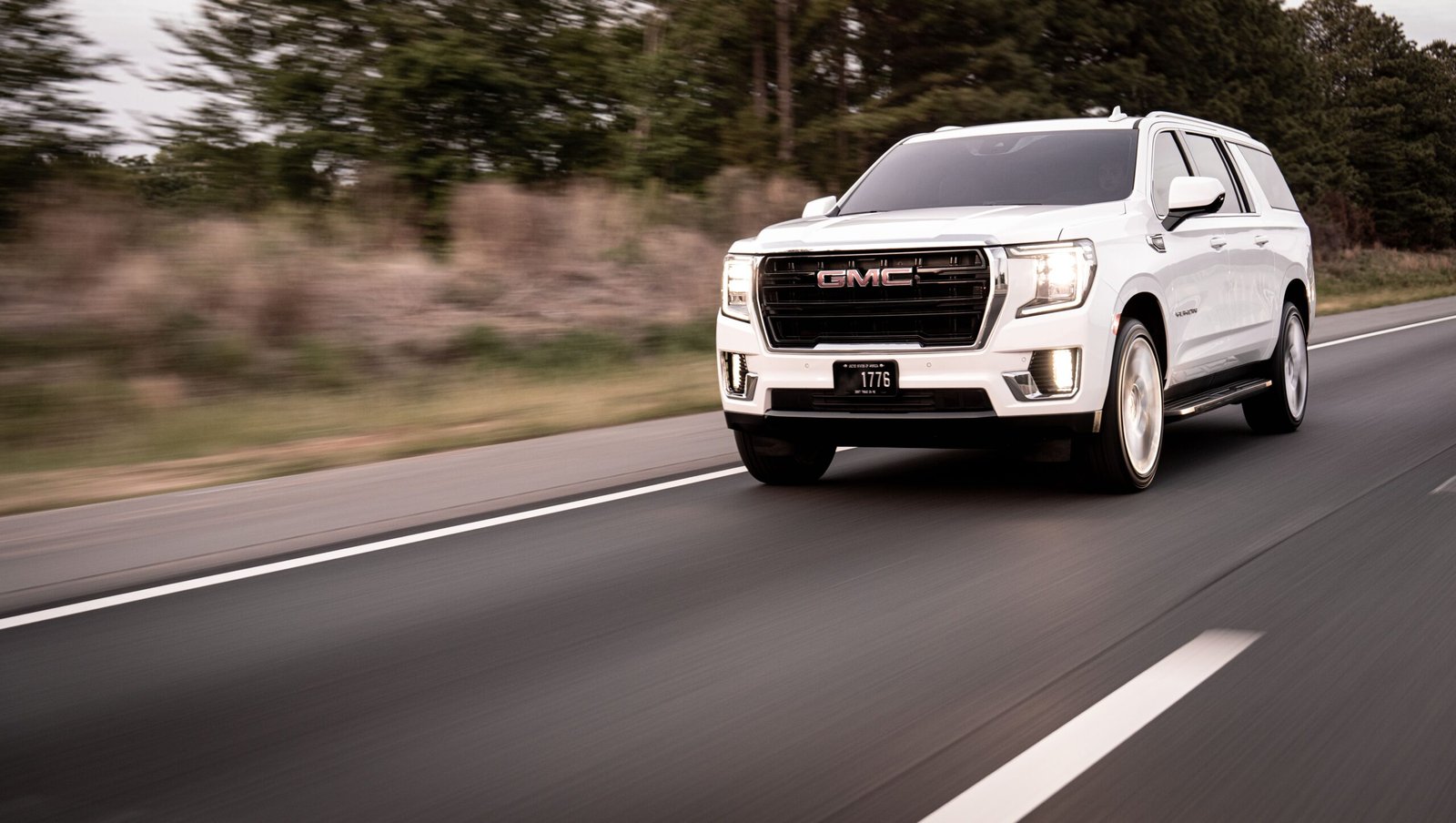
The GMC Denali represents the premium side of GMC, combining bold American styling, advanced technology, powerful performance, and upscale comfort in a range of trucks and SUVs. Designed for drivers who want more than ordinary transportation, the Denali lineup delivers a distinctive blend of capability and sophistication. Whether we are exploring the GMC Yukon Denali for family travel, the Sierra Denali for demanding work and everyday driving, or the Yukon XL Denali for additional passenger and cargo space, we find a consistent focus on premium materials, modern convenience, and confident road presence.
For the 2026 model year, the GMC Denali name continues to appeal to buyers who appreciate luxury without giving up the practicality of a full-size vehicle. Its appeal comes from a combination of refined interiors, advanced driver-assistance technologies, strong engine options, and versatile configurations. By understanding the available models, equipment, performance characteristics, and ownership considerations, we can determine which GMC Denali vehicle best suits our lifestyle, driving requirements, and budget.
1. What Is GMC Denali? Understanding GMC’s Premium Vehicle Lineup
The GMC Denali is a premium trim designation used across selected GMC trucks and SUVs. Rather than representing one specific vehicle, Denali identifies a collection of upscale models that typically feature distinctive exterior styling, enhanced interior materials, additional technology, and premium comfort features compared with lower trim levels.
The Denali name is particularly associated with the GMC Sierra pickup truck, GMC Yukon full-size SUV, and GMC Yukon XL extended-length SUV. Each model serves a different purpose while sharing the same general philosophy of combining capability with refinement. The Sierra Denali appeals to drivers who need pickup-truck utility alongside a sophisticated cabin, while the Yukon Denali is suited to families and travelers who value space, comfort, and towing capability. The Yukon XL Denali provides additional overall length, making it especially attractive for larger families and people who regularly transport substantial amounts of luggage.
One of the defining characteristics of Denali models is their distinctive appearance. Depending on the vehicle and configuration, exterior details can include a prominent grille, carefully designed lighting, premium wheel options, chrome or other upscale trim elements, and a more polished overall finish. These design choices help distinguish Denali vehicles from conventional trucks and SUVs.
Inside, Denali models generally emphasize comfort and craftsmanship through upgraded upholstery, carefully finished surfaces, sophisticated dashboard designs, and advanced infotainment systems. Equipment varies by model, package, and configuration, so we should always check the exact specifications of an individual vehicle before purchasing.
2. 2026 GMC Yukon Denali: Full-Size Luxury SUV Comfort
The Yukon Denali’s exterior styling combines a substantial grille with modern lighting and a sculpted body. Its size gives it a confident appearance on highways and city streets, while available wheel designs and premium exterior finishes reinforce its upscale identity. Although its dimensions provide excellent interior space, drivers should consider parking availability, garage dimensions, and maneuverability when deciding whether a full-size SUV suits their needs.
Inside, the Yukon Denali focuses on passenger comfort and convenience. Depending on the selected configuration, buyers can find premium seating materials, heated and ventilated seating features, power-adjustable seats, climate-control options, and a large central infotainment display. Available second-row and third-row seating arrangements help accommodate families, friends, and additional passengers.
Cargo capacity is another important advantage. The Yukon offers room for groceries, sports equipment, luggage, and other everyday necessities. Folding selected rear seats creates additional storage space when fewer passengers are traveling. Buyers who regularly carry bulky luggage or need more space behind the passenger rows may prefer the longer Yukon XL.
For 2026, exact equipment, standard features, and available packages should be confirmed through GMC’s official specifications and a local dealer. This is particularly important when comparing vehicles with different seating configurations or optional technology packages.
3. GMC Sierra Denali: Premium Pickup Truck Capability
The GMC Sierra Denali combines pickup-truck practicality with a premium interior and sophisticated styling. It is designed for people who want a vehicle capable of handling daily commuting, recreational travel, equipment transportation, and selected towing duties without sacrificing comfort.
The Sierra Denali’s exterior typically features a distinctive grille, premium wheels, modern lighting, and carefully integrated body details. Its pickup bed provides useful space for tools, outdoor equipment, building materials, and other cargo that may not fit comfortably inside a conventional SUV.
Depending on the model year and configuration, Sierra powertrain choices may include gasoline V8 engines and an available Duramax diesel engine on selected versions. The appropriate choice depends on how the truck will be used. Gasoline engines may appeal to drivers seeking familiar performance and broad everyday usability, while diesel configurations can be attractive for certain towing and long-distance applications.
We should distinguish between the Sierra 1500 Denali and the more heavy-duty Sierra HD Denali models. The Sierra 1500 is intended for a broad range of personal and light-duty pickup applications, while the Sierra 2500HD and 3500HD families target more demanding hauling and towing requirements. Their capacities vary considerably according to engine, cab, drivetrain, equipment, and trailer configuration.
Inside the Sierra Denali, the cabin emphasizes a more refined driving experience than a basic work truck. Depending on configuration, equipment may include premium upholstery, advanced infotainment, a digital instrument display, smartphone connectivity, and driver-assistance technologies.
For buyers who need both luxury and utility, the Sierra Denali offers a compelling balance. However, we should evaluate its actual payload and towing ratings rather than assuming that every Denali configuration can handle the same load. The manufacturer’s specifications and the vehicle’s certification labels are essential when matching a truck to a particular trailer or cargo requirement.
4. GMC Yukon XL Denali: Extra Space for Families and Travel
The GMC Yukon XL Denali is designed for buyers who appreciate the features of the Yukon Denali but require additional interior and cargo space. Its extended body makes it especially useful for large families, airport transportation, long road trips, and journeys involving multiple passengers and substantial luggage.
The longer body can provide more room for belongings behind the rear seats, making it easier to accommodate suitcases without immediately folding the third row. This advantage becomes particularly noticeable when a vehicle regularly carries several passengers and their luggage simultaneously.
The Yukon XL Denali also offers a premium cabin experience, with equipment and materials that depend on the selected configuration. Features may include advanced infotainment, upscale seating, climate-control conveniences, and available driver-assistance systems. Buyers should compare the actual seating and cargo specifications of the Yukon and Yukon XL to determine how much additional space they will gain.
The extended length does come with practical considerations. Parking spaces, narrow streets, residential garages, and crowded urban environments may be more challenging to navigate in a longer SUV. Drivers who frequently travel on highways or carry large groups may find the additional space worthwhile, while those who primarily drive alone or in smaller groups might prefer the standard Yukon.
When comparing these vehicles, we should consider not only passenger capacity but also everyday usability, fuel expenses, maintenance costs, and the amount of cargo space required for typical journeys.
5. GMC Denali Interior, Technology, and Safety Features
A major reason buyers choose Denali vehicles is their emphasis on interior refinement and modern technology. Across the lineup, the Denali designation generally brings an upscale cabin environment designed to make everyday driving and long-distance travel more comfortable.
Premium Interior Design
Depending on the model and equipment package, Denali interiors may include leather seating surfaces, power-adjustable front seats, heated seating, ventilated seating, premium trim materials, and carefully arranged storage compartments. The exact combination differs between the Sierra and Yukon families.
These features can improve everyday comfort, particularly for drivers who spend several hours behind the wheel. Families may also appreciate practical storage spaces, convenient charging connections, and flexible seating arrangements.
Infotainment and Connectivity
Modern GMC vehicles offer touchscreen infotainment systems, smartphone integration, Bluetooth connectivity, and available wireless charging, depending on configuration. Digital displays can help drivers access navigation, entertainment, vehicle information, and selected convenience settings.
Some models and configurations offer premium audio systems and additional connectivity services. Availability can depend on equipment packages, regional specifications, subscriptions, and software compatibility.
Driver Assistance and Safety
Available safety and driver-assistance technologies may include automatic emergency braking, forward collision alerts, lane-related assistance, blind-zone monitoring, parking assistance, and adaptive cruise control, depending on the model and package.
These systems are designed to support the driver, not replace attentive driving. Their availability and operating limitations should be checked in the owner’s manual and the official specifications for the exact vehicle.
For families, we should also examine child-seat compatibility, rear-seat access, visibility, and the practicality of installing child restraints. For pickup owners, trailer-related assistance and camera systems may be particularly valuable when towing.
6. GMC Denali Performance, Towing, and Fuel Economy
Performance is an important consideration when choosing a Denali vehicle because the Sierra, Yukon, and Yukon XL serve different purposes. Engine availability and vehicle capability vary by model and configuration, so there is no single performance specification that applies to every GMC Denali.
The Sierra Denali may offer gasoline or diesel powertrains depending on the version. Its performance should be evaluated in relation to payload, towing requirements, expected driving conditions, and the weight of any equipment carried in the truck bed.
The Yukon Denali and Yukon XL Denali prioritize full-size SUV performance, passenger comfort, and the ability to transport substantial loads. Their engine, transmission, drivetrain, and towing specifications should be reviewed before selecting a model for regular trailer use.
Fuel economy also varies according to engine choice, vehicle weight, drivetrain, driving style, road conditions, and load. Large SUVs and full-size pickup trucks generally consume more fuel than smaller vehicles, especially in congested traffic or during heavy towing.
To estimate ownership costs accurately, we should consider the following:
Fuel expenses: Estimate annual mileage and expected fuel consumption.
Maintenance: Account for scheduled servicing, filters, fluids, tires, and brakes.
Insurance: Obtain a quotation based on the exact model and location.
Towing requirements: Confirm maximum ratings and real-world payload limitations.
Tire replacement: Premium wheels and large tires can increase replacement costs.
Depreciation: Compare local resale values and expected ownership duration.
A vehicle with greater towing capacity is not automatically the best option for every buyer. Choosing the correct configuration helps avoid unnecessary expenses while ensuring that the vehicle can safely perform its intended tasks.
7. 2026 GMC Denali Price, Ownership Costs, and Buying Advice
The price of a 2026 GMC Denali depends on the model, engine, optional packages, drivetrain, dealer pricing, and market conditions. The Sierra Denali, Yukon Denali, Yukon XL Denali, and heavy-duty Sierra Denali models occupy different positions in the GMC lineup, so their prices should not be treated as interchangeable.
Optional features can significantly affect the final purchase price. Before visiting a dealership, we should identify the features that matter most, including seating arrangements, engine selection, towing equipment, advanced driver assistance, and interior upgrades.
Buyers should request a detailed quotation showing the vehicle price, optional equipment, taxes, registration fees, dealer charges, and financing costs. Comparing the final out-the-door price provides a clearer picture than relying on a monthly payment alone.
The best buying decision comes from matching the vehicle to actual requirements rather than simply choosing the most expensive configuration. A Sierra Denali may be ideal for pickup utility, a Yukon Denali may suit family travel, and a Yukon XL Denali may be more practical for buyers who consistently need extra space.
Conclusion: Is the GMC Denali Worth Considering in 2026?
The GMC Denali lineup offers a distinctive combination of premium styling, modern technology, refined interiors, and practical capability. From the versatile Sierra Denali pickup to the spacious Yukon Denali and extended Yukon XL Denali, these vehicles serve buyers who want upscale features without abandoning the usefulness of a truck or full-size SUV.
The right choice depends on how we intend to use the vehicle. Drivers who need an open cargo bed and towing flexibility may prefer the Sierra Denali, while families seeking passenger comfort and substantial interior space may find the Yukon Denali or Yukon XL Denali more suitable.
Before purchasing, we should compare the exact model specifications, verify available features, calculate fuel and maintenance expenses, and obtain a complete price quotation. By evaluating these factors carefully, we can select a GMC Denali that offers the right balance of luxury, performance, space, and long-term value.
Frequently Asked Questions About GMC Denali
1. What does Denali mean in GMC vehicles?
Denali is GMC’s premium trim designation, associated with upscale interior materials, distinctive styling, advanced technology, and additional comfort features on selected trucks and SUVs.
2. Which GMC Denali is best for families?
The Yukon Denali is a strong option for families who need three-row seating and full-size SUV capability. The Yukon XL Denali is worth considering when additional cargo space is a priority.
3. Is the GMC Sierra Denali a luxury truck?
Yes. The Sierra Denali combines pickup-truck utility with premium interior appointments, distinctive exterior styling, modern infotainment, and available advanced driver-assistance features.
4. Does the GMC Denali offer good towing capability?
Selected Denali models offer substantial towing capability, but maximum ratings vary by vehicle, engine, drivetrain, and equipment. Always verify the specifications for the exact configuration.
5. Is the 2026 GMC Denali fuel-efficient?
Fuel economy depends on the specific model, engine, drivetrain, driving conditions, and load. Because Denali vehicles are generally large trucks or SUVs, buyers should compare official fuel-economy estimates for the configurations they are considering.
6. How much does a 2026 GMC Denali cost?
Pricing varies by model, equipment, location, and market conditions. For an accurate figure, consult GMC’s official pricing information where available and request a detailed quotation from an authorized dealer.
7. Can we buy a GMC Denali in Pakistan?
Availability depends on local distributors, importers, and individual vehicle listings. Buyers should verify import duties, taxes, registration requirements, spare-parts availability, and servicing arrangements before purchasing.

Wollmatten is a German term that generally means wool mats. At first glance, the word may seem to describe one particular product, but it is actually much broader. Depending on the context, Wollmatten can refer to wool floor mats, felted wool surfaces, protective pads, insulation materials, acoustic mats, garden coverings, and other wool-based products.
This distinction matters because two products sold or described as Wollmatten can have completely different designs, thicknesses, densities, and purposes. One may be intended as a comfortable indoor floor covering, while another may be manufactured as a technical insulation material. Current 2026 sources consistently describe Wollmatten as a general category rather than a single brand or standardized product.
What Does Wollmatten Mean?
The easiest way to understand Wollmatten is to break down the German terminology. “Wolle” means wool, while “Matten” is the plural form associated with mats. The singular form is generally Wollmatte, meaning a wool mat.
Therefore, when someone searches for Wollmatten, they are usually looking for information about mats made completely or partly from wool. The name itself does not tell us exactly how the mat is manufactured or what it should be used for.
A wool mat may be woven, felted, compressed, tufted, needle-punched, or attached to another backing material. Its performance depends heavily on its construction. For this reason, buyers should look beyond the name and examine the product’s intended application, material composition, thickness, density, and care instructions.
What Are Wollmatten Made From?
The most common material associated with Wollmatten is sheep’s wool. Wool is a natural animal fiber primarily composed of keratin, and its structure gives it properties that make it useful for textiles, floor coverings, padding, and insulation.
However, not every Wollmatte is made from 100% wool. Some products combine wool with synthetic fibers or other natural fibers. Others may have backing materials, adhesives, dyes, latex, rubber, or protective finishes. Consequently, a product described as a wool mat should not automatically be assumed to have the same properties as untreated pure wool.
Manufacturing also influences the final product. Felted and compressed wool mats can be relatively dense and firm, while woven or tufted wool products may provide a softer decorative surface. Technical insulation mats can have a completely different construction from a household floor mat.
Anyone interested in natural materials should therefore check the full fiber composition and product specifications before purchasing.
What Are the Main Types of Wollmatten?
Because Wollmatten is a broad term, there are several possible categories. Decorative and floor mats are among the most familiar. These can add warmth, texture, and comfort to bedrooms, living rooms, offices, and other indoor spaces.
Another category includes felted wool mats and protective pads. These can be used beneath furniture, on work surfaces, for crafts, or wherever a soft but resilient material is useful.
Some Wollmatten are designed for thermal insulation. Wool fibers can trap air within their structure, helping specially manufactured wool insulation products reduce heat transfer. These technical products should not be confused with ordinary decorative rugs because insulation performance depends on the specific product’s density, thickness, installation, and technical rating.
Wool can also be incorporated into acoustic materials, where fibrous structures help absorb or reduce reflected sound. Other specialized wool mats may appear in gardening, animal care, wellness, or craft applications. Recent guides describe this wide variety as one of the main reasons the term Wollmatten can initially be confusing.
Benefits of Wollmatten
One of the biggest attractions of Wollmatten is the natural performance of wool. Wool fibers can trap air, contributing to warmth and insulation. A properly designed wool mat can therefore provide a comfortable surface underfoot while also adding thermal character to an indoor space.
Comfort and cushioning are additional advantages. Dense or soft wool materials can create a more pleasant surface than hard flooring, depending on the construction of the mat.
Wool is also known for its ability to interact with moisture vapor. This does not mean a wool mat is waterproof. Instead, the fiber can absorb and release moisture under appropriate conditions. A wool product’s actual moisture performance depends on its construction and environment.
Another potential benefit is sound absorption. Fibrous materials can help reduce reflected sound, making certain wool products useful in spaces where acoustic comfort matters.
Wool is also a renewable natural fiber, which is one reason it attracts consumers looking for alternatives to petroleum-based materials. However, sustainability should be evaluated across the complete product lifecycle, including animal production, processing, transportation, dyes, backing materials, durability, and disposal.
Where Can Wollmatten Be Used?
The right Wollmatte depends entirely on the intended purpose. For home interiors, wool mats can be used as decorative floor coverings, bedside mats, entrance-area surfaces, or comfortable additions to living spaces.
In specialized applications, wool-based mats can provide thermal insulation, acoustic control, furniture protection, cushioning, or surface protection. Certain wool materials can also be used in craft projects because felted wool is relatively easy to cut and work with.
Garden and agricultural applications represent another possibility, although these products require different specifications from indoor floor mats. A garden mat may be designed to cover soil or support planting, whereas a decorative wool rug is designed for appearance and comfort.
This is why choosing a Wollmatte should always begin with one question: What job is the mat supposed to perform? A product made for insulation should not automatically be used as a household rug, and a decorative floor mat should not be substituted for certified building insulation.
How to Choose and Care for Wollmatten
When choosing Wollmatten, start with the material composition. If you specifically want natural wool, check whether the product is 100% wool or a blend. Next, consider thickness, density, backing, dimensions, and intended use.
For floor applications, durability and cleaning requirements are particularly important. A high-traffic hallway needs a different product from a small decorative bedroom mat. For insulation, technical specifications are much more important than appearance.
Care also varies according to construction. Many wool products benefit from regular gentle vacuuming and prompt treatment of spills. Excessive moisture, aggressive chemicals, high heat, and rough handling can damage certain wool materials. Always follow the manufacturer’s instructions because a felt insulation panel and a finished wool rug should not necessarily be cleaned in the same way.
Proper maintenance can help preserve the appearance, structure, and useful life of a wool mat.
Frequently Asked Questions About Wollmatten
What does Wollmatten mean?
Wollmatten generally means “wool mats” in German. It is a broad descriptive term rather than the name of one particular product.
What is the singular of Wollmatten?
The commonly used singular form is Wollmatte, meaning a wool mat.
Are Wollmatten made from pure wool?
Not necessarily. Some products may contain 100% wool, while others use wool blends, synthetic fibers, backing materials, adhesives, or other components. Checking the product specification is essential.
Are Wollmatten waterproof?
No. Wool can interact with moisture vapor, but this does not make an ordinary wool mat waterproof. Prolonged exposure to water can damage some wool products.
Can Wollmatten be used for insulation?
Yes, specialized wool insulation mats can be manufactured for thermal insulation. However, a decorative wool floor mat should not be treated as a substitute for a building product with appropriate technical specifications.
Are Wollmatten environmentally friendly?
Wool is a renewable natural fiber, but the environmental impact of a finished mat depends on its entire lifecycle and materials. A wool-blend product with synthetic backing, for example, has a different environmental profile from an untreated pure-wool product.
Conclusion
Wollmatten are best understood as wool mats rather than one specific type of product. The German term can cover everything from decorative floor coverings and felt pads to specialized insulation and acoustic materials.
Their appeal comes from the useful characteristics of wool, including warmth, cushioning, resilience, moisture interaction, and potential sound absorption. At the same time, not every wool mat performs the same way. Construction, fiber content, density, thickness, backing, and intended application all matter.
For anyone researching Wollmatten in 2026, the most important lesson is simple: do not choose a product based on the name alone. Identify the purpose first, examine the materials and technical specifications, follow the manufacturer’s care instructions, and select a mat designed specifically for the job. This approach makes it much easier to find a Wollmatte that delivers the comfort, protection, insulation, or decorative value you actually need.

Posiciones de Mundial 2026: World Cup Standings, Rankings, and Final Results

Desert: Types, Climate, Plants, Animals, and Fascinating Facts in 2026

Laura San Giacomo: Biography, Movies, TV Shows, Family, and Career in 2026

Duff Badgley: The Private Life, Family Legacy, and Influence Behind the Badgley Name

Orgasamtrix: Understanding the Term, Online Presence, Safety Concerns, and What Users Should Know

Who Is Amy Sherrill? The Untold Story of Tim Duncan’s Former Wife
 Celebrity3 months ago
Duff Badgley: The Private Life, Family Legacy, and Influence Behind the Badgley Name
- Health3 months ago
Orgasamtrix: Understanding the Term, Online Presence, Safety Concerns, and What Users Should Know
- Celebrity3 months ago
Who Is Amy Sherrill? The Untold Story of Tim Duncan’s Former Wife
- Business3 months ago
Seekde: Complete Guide, Meaning, Features, Benefits, and Everything You Need to Know
- Celebrity3 months ago
Who Is Cole Maness? Everything About Erika Christensen’s husband
- Business3 months ago
Stay Always Updated with TXEPC: The Complete 2026 Guide to Real-Time Information, Digital Insights
- ThriftyEvents3 months ago
Get Blog ThriftyEvents.net: The Complete 2026 Guide to Budget Event Planning, DIY Party Ideas, and Smart Celebration Tips
- Business3 months ago
SparkTraffic vs ClickSEO.io: Complete 2026 Comparison of Features, SEO Performance, Traffic Quality, Pricing, and Best Use Cases