Blog
Banana Puns: The Best Funny, Clever, and Punny Banana Jokes for 2026


If there is one fruit that seems almost designed for comedy, it is the banana. From its distinctive shape and bright yellow color to words such as peel, split, ripe, and bunch, bananas provide endless opportunities for clever wordplay. That is why banana puns remain popular for captions, jokes, birthday cards, classroom activities, social media posts, and everyday conversations.
The best banana jokes are usually short, easy to understand, and built around familiar expressions. A simple phrase such as “Why did the banana go to the doctor? Because it wasn’t peeling well” works because it transforms an ordinary expression into a fruit-themed joke. Whether we want a quick laugh or a clever caption, banana wordplay gives us plenty of options.
What Are Banana Puns?
Banana puns are jokes, phrases, captions, or humorous expressions that use words associated with bananas to create a second meaning. They often rely on words such as peel, appealing, bunch, split, ripe, potassium, yellow, plantain, and slip.
A good pun does not necessarily need a complicated setup. In fact, the most memorable banana jokes are often extremely simple. The humor comes from recognizing the unexpected connection between two meanings.
For example:
- You are simply un-peel-ievable!
- Have a bunch of fun!
- I find you very a-peel-ing.
- Let’s split!
- Stay a-peel-ing!
- That joke was bananas!
- You make life more a-peel-ing.
The flexibility of banana-related vocabulary makes this type of humor useful for both children and adults. We can use a banana pun as a standalone joke, add one to a greeting card, or turn it into a social media caption.
The Funniest Banana Puns for a Quick Laugh
When we want a quick joke, short banana puns are often the best choice. They are easy to remember and can fit naturally into conversations, captions, and messages.
Here are some classic-style banana jokes and one-liners:
- Why did the banana go to the doctor? Because it wasn’t peeling well.
- What do bananas say when they answer the phone? Yellow!
- Why did the banana split? Because it saw the ice cream!
- What is a banana’s favorite type of music? Peel Collins.
- What do we call two bananas traveling together? A bunch on the move.
- Why are bananas so popular? Because they are very a-peel-ing.
- What did one banana say to the other? Don’t slip up!
- Bananas never give up—they just keep peeling forward.
- I tried to tell a banana joke, but it didn’t have enough appeal.
- Life is better when we stick together like a bunch of bananas.
The strongest examples combine a familiar phrase with a banana-related word. This makes the punchline recognizable while still giving it a playful twist.
Cute Banana Puns for Captions and Social Media
Banana-themed captions are especially useful when we want something short, cheerful, and memorable. A photo of breakfast, a smoothie, a fruit bowl, a picnic, or a tropical vacation can easily be paired with a banana pun.
Here are some caption ideas:
- Feeling a-peel-ing today.
- Going bananas over this view!
- Life is better with a little potassium.
- Keep calm and peel on.
- You’re the top banana!
- Hanging out with my favorite bunch.
- Banana believe how good today feels.
- Peel the happiness!
- One day at a time, one peel at a time.
- We make a great bunch.
- This moment is totally bananas.
- Having a-peel-ing adventures.
- Stay positive and keep peeling.
- Powered by potassium and good vibes.
- No need to split—we’re having too much fun.
For social media, shorter captions usually work particularly well because the joke can be understood immediately. We can also personalize a banana pun by connecting it to the photograph or occasion.
Romantic and Cute Banana Puns
Banana wordplay can also create playful messages for someone special. Instead of using a traditional romantic phrase, we can add a fruit-inspired twist.
Some cute examples include:
- I find you absolutely a-peel-ing.
- You are the top banana in my life.
- We make one great bunch.
- I’m bananas about you.
- You make my heart split—in the sweetest way.
- I can’t imagine my life without you in the bunch.
- You are simply un-peel-ievable.
- Our friendship has a-peel.
- You bring potassium-level happiness to my day.
- I’m stuck on you like a banana peel.
These expressions work particularly well in cards, text messages, notes, and social media captions. The humor keeps the message light while the underlying sentiment remains positive.
Banana Puns for Kids, School, and Parties
Because banana humor is generally clean and easy to understand, it works especially well for children’s activities, classrooms, birthday parties, and family gatherings. Teachers and parents can use fruit-themed jokes to make learning activities more entertaining.
Some kid-friendly examples include:
- Why did the banana wear sunscreen? Because it didn’t want to peel!
- What did the banana say after winning? “I’m on a roll!”
- Why did the banana cross the road? To get to the other peel!
- What is a banana’s favorite exercise? The split!
- What happens when bananas tell jokes? Everyone goes bananas!
- Why did the banana bring a suitcase? It was ready to split!
- What do bananas do when they are happy? They go bananas!
- What is a banana’s favorite party trick? The peel-out!
For a classroom, we can also ask children to invent their own banana puns. This turns wordplay into a simple language exercise that encourages creativity, vocabulary development, and an understanding of multiple meanings.
Clever Banana Puns and Wordplay
Some banana jokes rely on more sophisticated wordplay rather than a traditional question-and-answer format. These can be especially effective when writing captions, headlines, greeting cards, or humorous posts.
Consider expressions such as:
“We’re going bananas, but at least we’re having a-peel-ing fun.”
“Every bunch has its ups and downs, but we keep peeling forward.”
“When life gives us bananas, we make smoothies.”
“Don’t let a bad peel ruin a good day.”
“Some days are ripe with possibilities.”
“Be the top banana in your own story.”
“Our friendship is hard to peel apart.”
The appeal of these examples comes from adapting familiar expressions. Words such as appealing and peeling sound similar, while split can describe both separating something and the classic banana-and-ice-cream dessert.
That double meaning is the foundation of effective banana wordplay.
How to Create Your Own Banana Puns
Creating original banana puns is easier when we start with a list of banana-related words. The most useful terms include peel, bunch, split, ripe, yellow, potassium, plantain, slip, smoothie, fruit, and appeal.
Next, we can look for ordinary phrases that sound similar to those words. For example:
- Appeal → a-peel
- Peeling → feeling
- Split → banana split
- Bunch → a group
- Ripe → right
- Yellow → hello
- Slip → banana peel slip
We can then combine the two ideas into a sentence. “Hello” becomes “yellow,” “appealing” becomes “a-peeling,” and an ordinary group can become a bunch.
The best original puns are usually simple rather than forced. If the reader understands the wordplay immediately, the joke is more likely to work.
Conclusion: Why Banana Puns Never Get Old
Banana puns are popular because they combine simple language, familiar fruit-related words, and easy-to-understand humor. Whether we need a funny joke, a clever caption, a children’s activity, a romantic message, or a playful greeting, banana wordplay provides plenty of possibilities.
From “I’m bananas about you” to “Keep calm and peel on,” these jokes can make ordinary conversations more entertaining. Their versatility is their biggest strength: we can make them cute, silly, clever, romantic, educational, or completely ridiculous.
So the next time we need a quick laugh, we do not have to overthink it. We can simply grab a banana, find the right words, and let the pun begin. After all, life is always a little more fun when we have a good bunch of jokes ready to go.

The Oakland County Jail is a county detention facility operated by the Oakland County Sheriff’s Office in Pontiac, Michigan. It serves an important role in the local criminal justice system by housing people in custody, processing new arrests, coordinating inmate services, and supporting court-related procedures. People searching for Oakland County Jail information are often looking for an inmate, trying to understand visitation rules, checking bond procedures, or finding official contact details.
In 2026, the most reliable way to obtain jail-related information is through the official Oakland County government website and the county’s authorized inmate locator. These resources can help families, legal representatives, and members of the public find information about custody, visits, communication, and records. However, jail information can change, and online records may not always reflect the latest developments. This guide explains how to search for an inmate, contact the facility, arrange a visit, and understand important procedures using official sources.
What Is Oakland County Jail?
The Oakland County Jail is located in Pontiac, Michigan, and is managed by the Oakland County Sheriff’s Office. The county’s corrections operations include the main jail and related facilities and services. The facility is responsible for booking and supervising people in custody while supporting essential functions such as meals, medical care, recreation, visitation, and appropriate programs.
The main jail is at 1201 North Telegraph Road, Pontiac, MI 48341. The county’s inmate information page also lists a general jail contact address at 1200 North Telegraph Road, Building 38E. Because different departments may use different building or mailing addresses, confirm the correct destination before travelling or sending correspondence.
The facility’s responsibilities extend beyond secure housing. The Sheriff’s Office describes services that include health care, crisis intervention, counseling referrals, educational support, recreation, and chaplaincy services. These programs form part of the broader effort to maintain safety and manage the needs of people held in custody.
For anyone seeking current information about a particular person, the best starting point is the official county resource rather than an unofficial website. Third-party pages may contain outdated phone numbers, visiting schedules, or custody records.
How to Find an Inmate at Oakland County Jail
The official Oakland County inmate search helps users look for public information about people held in the county jail system. The county provides access through its Inmate Information page and links to the CLEMIS Inmate Locator.
To begin, open the official inmate locator and follow the search instructions displayed on the page. Enter the identifying information requested by the system, such as the person’s name. Check spelling carefully and review any matching entries to ensure that the record belongs to the correct individual. If the person cannot be found, it does not necessarily mean that they are not in custody; booking information may not yet be available, or the search details may not match the record.
The county warns that records can be up to 72 hours out of date, depending on the day of the week. It also states that specific charge or bond information should be confirmed with the court that has jurisdiction. If a record appears incorrect or incomplete, contact the Sheriff’s Office directly rather than relying on an unofficial listing.
Remember that an arrest or detention record is not the same as a criminal conviction. Use public records responsibly, and verify important information before making decisions based on it.
Oakland County Jail Visitation Rules and Schedule
Family members and friends can arrange visits through the jail’s designated video visitation system. According to the official visitation page, visits must be scheduled by appointment, and visitors can use jail kiosks or an inmate tablet for visits. Remote visits may also be available through the authorized service.
The county’s published schedule lists the following general visiting windows:
| Visit type | Published hours |
|---|---|
| Professional visits | Monday–Sunday, 7:15 a.m.–8:30 p.m. |
| Family and friends | Monday–Friday, 1:15 p.m.–8:15 p.m. |
| Family and friends | Saturday–Sunday, 9:15 a.m.–8:15 p.m. |
The jail identifies certain daily periods when visits are prohibited because of operational demands. Scheduling generally opens at least 24 hours in advance and up to two weeks ahead. Visits may be 15 or 30 minutes long, depending on the appointment. Confirm the current schedule before making plans, because operational changes may affect availability.
Visitors must register through the designated service and bring a valid form of identification for an on-site visit. The facility also enforces clothing requirements and other visitation rules. For current instructions and appointment details, consult the official visitation page.
Oakland County Jail Phone Number, Bond, and Inmate Communication
For general jail information, the Oakland County Sheriff’s Office lists 248-858-5000. For inmate information, call 248-858-1800 or email prisonerInfo@oaklandcountymi.gov. These are useful contact options for questions about custody, jail procedures, and official records.
People looking for bond information should contact the court with jurisdiction to confirm the applicable amount and conditions. The county states that the jail’s bonding area operates around the clock and accepts several bond types. Listed payment methods include cash, credit card, cashier’s check payable to the Oakland County Sheriff’s Office, or a bail bondsman. Cash bonds of $10,000 or more are processed through the court with jurisdiction. The jail specifically warns that cryptocurrency is not accepted for inmate bonds. Confirm the current payment requirements before sending money or travelling to the facility.
Inmate phone calls and video visits use Smart Communications. Families can consult SmartInmate or the county’s official information page for account setup, rates, and support. Calls made through the inmate phone system are generally recorded, while attorney calls have specific protections when the required arrangements are made. Do not assume that ordinary calls or messages are private.
Inmate Mail, Records, and Frequently Asked Questions
The county provides procedures for sending approved letters, photographs, and electronic messages. Standard postal mail is routed through its designated mail vendor rather than sent directly to the jail. Legal and business correspondence uses a separate mailing address, so check the official instructions before mailing anything. Packages are not accepted under the published rules, and prohibited items can result in mail being returned or confiscated.
For records requests, the Oakland County Sheriff’s Office Records Unit handles various documents, including incident reports and inmate jail files. Its listed phone number is 248-858-5011, and its public counter is at 1201 North Telegraph Road, Pontiac. The published office hours are Monday through Friday, 8:30 a.m. to 5 p.m., with holiday closures.
How do I look up someone at Oakland County Jail?
Use the official county inmate information page or CLEMIS Inmate Locator. Verify the person’s identity carefully and contact the jail if the information is unclear.
What is the Oakland County Jail phone number?
The general number is 248-858-5000. For prisoner information, call 248-858-1800.
Can I visit an inmate in person?
Visits are appointment-based and use the jail’s designated video visitation system, including facility kiosks and inmate tablets. Check the official visitation page for the current arrangements.
How do I find out an inmate’s bond amount?
Contact the court with jurisdiction for specific bond information and conditions. Do not rely solely on an online inmate listing.
How can I send mail to an inmate?
Follow the mail instructions on the county’s official inmate information page. Standard mail must use the designated mail vendor and include the inmate’s correct name and number.
Conclusion
The Oakland County Jail website is the best starting point for checking inmate information, understanding visitation requirements, confirming bond procedures, and learning how to communicate with someone in custody. Use official county resources to verify details because records and schedules can change. Whether you are searching for an inmate, arranging a visit, or requesting jail records, confirm the correct department and current instructions before taking action.
Orlando Sea Life, officially known as SEA LIFE Orlando Aquarium, is a family-friendly attraction located at ICON Park on International Drive in Orlando, Florida. It gives visitors an opportunity to discover fascinating marine animals, explore underwater habitats, and learn more about ocean life in an engaging indoor environment. From sharks and stingrays to sea turtles, seahorses, and colorful reef fish, the aquarium offers an underwater experience for families, couples, school groups, and visitors looking for something different from Orlando’s major theme parks.
In 2026, SEA LIFE Orlando is worth considering for travelers planning a family vacation, a half-day activity, or an educational outing with children. Its standout attraction is Florida’s 360-degree ocean tunnel, which lets guests look around at marine life swimming overhead and on either side. Interactive exhibits, talks, and additional experiences can make the visit more memorable. Before going, it helps to understand ticket options, opening hours, the main exhibits, parking, and how to plan your time. This guide covers the essentials for enjoying Orlando Sea Life in 2026.
What Is Orlando Sea Life Aquarium?
SEA LIFE Orlando Aquarium is an indoor marine attraction at ICON Park, situated at 8449 International Drive, Orlando, Florida 32819. The aquarium features themed areas designed to introduce visitors to different marine environments and species. Its exhibits combine viewing windows, interactive learning opportunities, and close-up encounters that help make ocean education accessible to guests of different ages. The attraction is operated as part of the international SEA LIFE aquarium network.
Unlike a large outdoor theme park, the aquarium offers a mostly indoor experience, making it a useful option when Florida’s weather is rainy or especially hot. Visitors can move through the exhibits at their own pace, stop to observe animals, and read educational information along the way. The experience can appeal to young children discovering marine animals for the first time as well as adults interested in aquatic environments.
SEA LIFE Orlando is also conveniently located within ICON Park, where visitors can explore other entertainment and dining options. Depending on your plans, it can be a standalone attraction or part of a broader day exploring International Drive.
Best Exhibits and Marine Animals at Orlando Sea Life
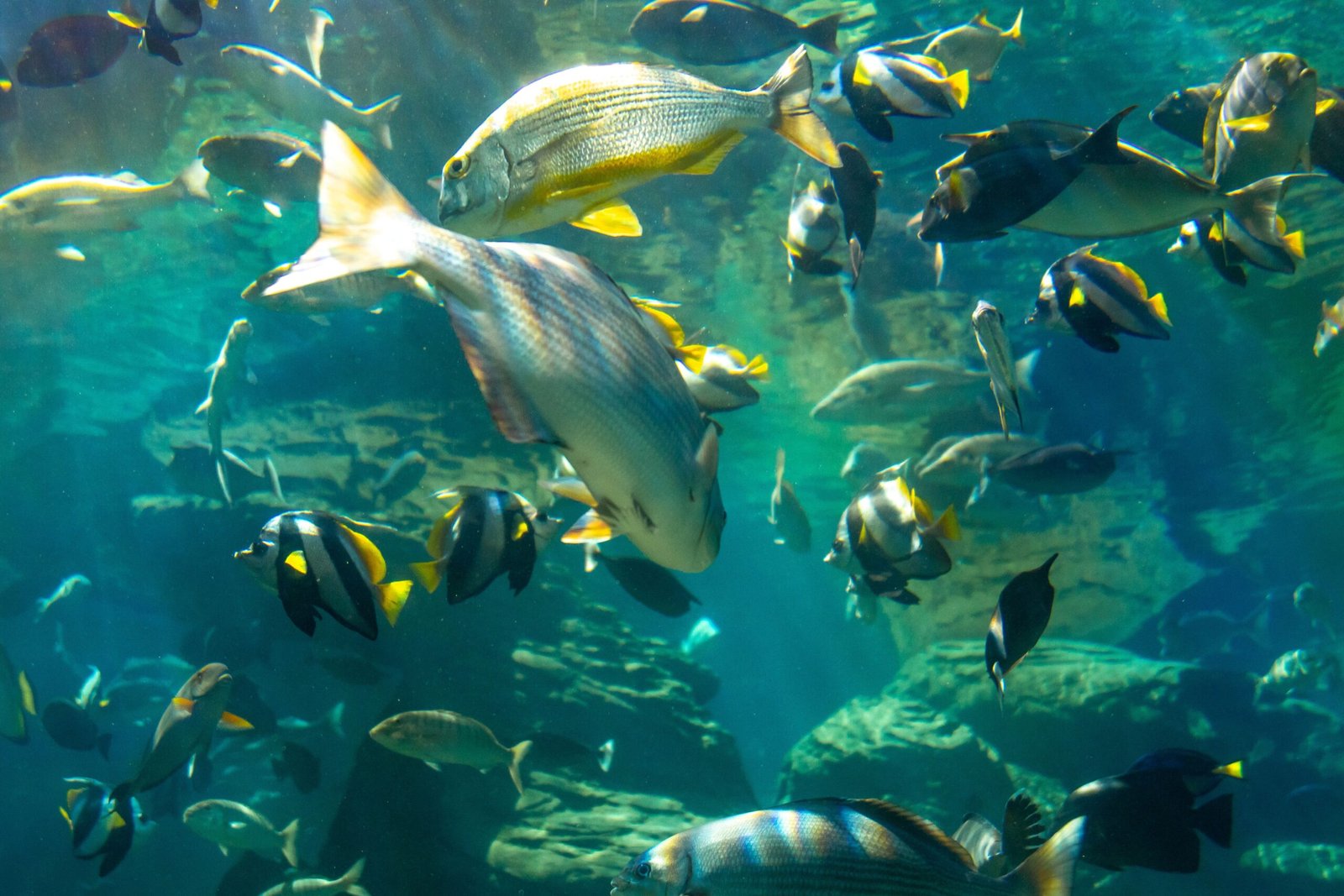
The aquarium’s most recognizable attraction is the 360-degree Ocean Tunnel, where visitors can watch sharks, rays, and schools of fish swimming around them. It is a great place for photographs and a memorable stop for children who want to see marine animals from a different perspective. General admission includes access to the tunnel, according to the aquarium’s official exhibit information.
Other highlights include the Jelly Wall, colorful reef environments, and the Coastal Rockpool interactive area. At the touchpool, visitors may be able to gently touch certain animals, such as sea stars and anemones, while following staff instructions. The aquarium also features sea turtles, seahorses, and other fascinating species, helping visitors learn how different creatures adapt to their environments.
For a deeper look at animal care, consider the Behind the Scenes Tour, when available. This experience introduces guests to some of the work aquarists do to care for marine life, including preparing food and maintaining habitats. The aquarium may also offer feeding demonstrations, educational talks, and virtual-reality experiences. Availability, schedules, and any additional charges can vary, so check the official website before your visit.
Orlando Sea Life Tickets, Prices, and Opening Hours in 2026
Ticket prices depend on the date, ticket type, promotions, and booking method. The official SEA LIFE Orlando website has advertised online general admission starting around $29 per adult, although prices can change. Families and groups may find promotional offers, while combination tickets can provide access to other ICON Park attractions. Always confirm the total cost and terms for your chosen date before purchasing.
You can review current ticket options on the official SEA LIFE Orlando tickets page. Booking online in advance may provide savings and help you plan around busy periods. Florida residents and eligible military visitors may also find specific offers, subject to the applicable conditions.
Opening hours vary by date, season, holidays, and special events. The aquarium’s official hours page provides the most reliable information for your planned visit. Check the last admission time as well as closing time, because arriving too late may leave you with limited time to explore.
Children can enjoy the aquarium, and the official FAQ states that children under two receive free admission. Some additional experiences have age or height requirements, so review the conditions if you are visiting with young children.
Location, Parking, and Tips for Planning Your Visit
SEA LIFE Orlando Aquarium is located at 8449 International Drive, Orlando, FL 32819, inside the ICON Park complex. It is accessible by car and public transportation, with nearby bus services and the I-Ride Trolley serving the International Drive area.
Parking is available in the ICON Park garage, including free parking on levels 4–7, subject to availability and current parking arrangements. The garage can become busy during peak periods, so allow extra time to park and walk to the entrance.
For a more relaxed experience, allow approximately one to two hours or longer, depending on how much time you spend watching exhibits and attending activities. Some official planning information suggests that many visitors spend around two to three hours. Arriving earlier in the day may also make it easier to explore at your own pace.
Bring a charged phone or camera for photographs, check the day’s activity schedule, and consider combining the aquarium with other nearby attractions. ICON Park also features Madame Tussauds and The Orlando Eye, although attraction availability can change. If you are planning several activities, compare combination-ticket terms carefully before buying.
Frequently Asked Questions About Orlando Sea Life
Is Orlando Sea Life worth visiting?
For families, marine-life enthusiasts, and visitors looking for an indoor activity, SEA LIFE Orlando can be an enjoyable and educational stop. The 360-degree ocean tunnel and interactive exhibits are among its main highlights.
How much are SEA LIFE Orlando tickets in 2026?
Prices vary by date and offer. The official website has advertised general admission starting around $29 per adult online, but check the ticket page for current pricing before booking.
How long should I spend at SEA LIFE Orlando?
Plan for around one to three hours, depending on your pace and whether you attend talks, feeding demonstrations, or additional experiences.
Does Orlando Sea Life have sharks and sea turtles?
Yes. The aquarium features sharks, stingrays, sea turtles, and many other marine animals. Its Ocean Tunnel is a popular place to observe them.
Is parking available at SEA LIFE Orlando?
Yes. ICON Park has a parking garage with free parking typically available on levels 4–7, alongside premium and valet options. Availability may vary during busy periods.
Is SEA LIFE Orlando suitable for toddlers?
Yes, the aquarium is designed for visitors of different ages. Children can enjoy the exhibits with adult supervision, and children under two receive free admission according to the official FAQ.
Conclusion
Orlando Sea Life is a worthwhile attraction to consider when planning a 2026 trip to Orlando, especially if you enjoy marine animals, interactive exhibits, and family-friendly indoor activities. Its underwater tunnel, sea turtles, sharks, jellyfish, and educational experiences make it different from the city’s larger theme parks. By checking ticket prices and opening hours in advance, planning parking, and allowing enough time to explore, you can make the most of your visit to SEA LIFE Orlando Aquarium at ICON Park.

A desert is one of the most remarkable natural environments on Earth. Often associated with endless sand dunes, scorching sunshine, and very little rainfall, deserts are actually much more diverse than many people realize. They include rocky landscapes, gravel plains, coastal regions, and even frozen areas covered with ice. What all deserts have in common is extremely low precipitation, which makes water scarce for plants, animals, and people.
Deserts are important parts of the global environment. They support specially adapted wildlife, preserve evidence of ancient climates, contain valuable natural resources, and provide homes for communities with long histories of living in dry conditions. Understanding deserts helps us learn about climate, biodiversity, geology, water conservation, and environmental protection. This 2026 guide explains what deserts are, how they form, their major types, and the plants and animals that survive in these challenging landscapes.
What Is a Desert?
A desert is a region that receives very little rain or snow over the course of a year. A commonly used definition classifies areas receiving less than 250 millimeters (10 inches) of precipitation annually as deserts, although scientists also consider evaporation, temperature, humidity, and local environmental conditions. The defining feature is a shortage of available moisture, not necessarily high temperatures.
Many people imagine deserts as large fields of golden sand, but sandy terrain is only one type of desert landscape. Some deserts are covered in stones and gravel, while others feature rugged mountains, salt flats, or bare rock. Antarctica is also considered a polar desert because it receives very little precipitation, even though much of its surface is covered by ice.
Deserts occur on every continent and vary greatly in size, temperature, and wildlife. The Sahara Desert in North Africa is the world’s largest hot desert, while the Antarctic Desert is the world’s largest desert overall when polar deserts are included. These environments demonstrate that a desert is defined primarily by dryness rather than by sand or heat.
What Are the Main Types of Deserts?
Deserts can be classified according to their climate, geographical location, and the conditions that cause them to remain dry. Four commonly discussed types are hot and dry deserts, semi-arid deserts, coastal deserts, and cold deserts.
Hot and dry deserts: These regions generally experience high daytime temperatures, intense sunshine, and limited rainfall. The Sahara and Mojave deserts are well-known examples.
Semi-arid deserts: These areas are often less extreme than hot deserts, with warm summers, cooler winters, and occasional rainfall. Their vegetation may include shrubs, grasses, and drought-resistant plants.
Coastal deserts: Located near coastlines, these deserts can experience cool temperatures or fog despite receiving little rain. The Atacama Desert in Chile is a famous example.
Cold deserts: These regions have low precipitation and may experience freezing winters or remain cold for much of the year. The Gobi Desert in Asia and the polar deserts of Antarctica and the Arctic illustrate how deserts can exist in cold environments.
The exact classification system varies by scientific source. Some systems also distinguish subtropical, rain-shadow, midlatitude, interior, and polar deserts based on the processes responsible for dryness.
How Are Deserts Formed?
Deserts develop when geographical and atmospheric conditions prevent an area from receiving enough moisture. One major cause is subtropical high-pressure systems, where air descends, warms, and discourages cloud formation and rainfall. This helps explain the presence of extensive dry regions in parts of North Africa, the Middle East, Australia, and other subtropical areas.
Another important cause is the rain-shadow effect. When moist air rises over a mountain range, it cools and releases precipitation on the windward side. The air that descends on the opposite side is much drier, leaving some areas with very little rainfall. Deserts can also form far from oceans, where moisture-bearing winds lose much of their water before reaching inland regions.
Wind and occasional water flow gradually shape desert landscapes. Wind can transport sand and dust, creating dunes and other distinctive formations. Rare but intense rainstorms may carve channels, move sediment, and cause flash floods. Changes in temperature can also break rocks into smaller pieces over time.
These processes mean that deserts are not completely static landscapes. Their dunes shift, rocks weather, temporary lakes may appear after rainfall, and some areas briefly become covered with flowers following unusually wet conditions.
Desert Climate and Weather Conditions
The desert climate is characterized by limited precipitation, low moisture availability, and substantial differences between locations. Hot deserts can experience intense daytime heat, while clear skies and limited humidity allow heat to escape quickly after sunset. As a result, some deserts have large differences between daytime and nighttime temperatures.
However, not every desert is hot. Cold deserts may experience freezing winters, snow, and strong seasonal temperature changes. Coastal deserts can be cool and foggy because of nearby ocean currents, even when rainfall remains extremely limited.
Other common desert weather conditions include:
Low and irregular rainfall: Long dry periods may be interrupted by brief storms.
High evaporation: Water can disappear quickly from exposed surfaces under suitable conditions.
Strong winds: Wind can move sand, reduce visibility, and create dust storms.
Extreme temperature changes: Some deserts become very hot during the day and much cooler at night.
Anyone visiting a desert should understand its local weather conditions before traveling. Carrying enough drinking water, protecting skin from the sun, checking forecasts, and avoiding flood-prone channels during storms are important precautions. Dry landscapes can still experience dangerous weather, and a lack of regular rain does not mean that flash flooding is impossible.
Plants and Animals That Survive in Deserts
Despite their challenging conditions, deserts support a wide variety of living organisms. Their plants and animals have evolved special adaptations that help them conserve water, regulate temperature, find food, and reproduce when conditions are favorable.
Desert plants include cacti, drought-resistant shrubs, succulents, and short-lived flowering plants. Some have deep roots that reach underground moisture, while others spread shallow roots to absorb rain quickly. Cacti can store water in their stems, and their spines help protect them from animals while reducing the exposed leaf surface found in many other plants.
Desert animals also use clever survival strategies. Camels are adapted to arid environments and can tolerate substantial periods with limited access to water. Fennec foxes have large ears that help release body heat, while many small mammals, reptiles, and insects avoid the hottest hours by remaining underground or becoming active at night. Some desert species obtain much of their required moisture from food.
Rain can transform parts of a desert surprisingly quickly. Seeds that have remained dormant may germinate, and flowering plants can briefly cover the ground in color. These desert blooms provide food for insects and other wildlife, showing how desert ecosystems respond to changes in moisture.
Even so, desert species can be vulnerable to habitat disturbance. Their survival often depends on specific soil conditions, seasonal rainfall, and access to limited water sources. Protecting native vegetation and wildlife is therefore essential to preserving desert biodiversity.
Famous Deserts Around the World
1. Sahara Desert — Africa
The Sahara Desert is the largest hot desert in the world. It features extensive sand dunes, rocky plateaus, mountains, and scattered oases. Its landscapes and historic trade routes have influenced communities across North Africa.
2. Antarctic Desert — Antarctica
The Antarctic Desert is the world’s largest desert by area. Its extreme cold and low precipitation show why deserts are defined by dryness rather than heat.
3. Atacama Desert — South America
The Atacama Desert is renowned for its exceptionally dry conditions, salt flats, and unusual geological landscapes. Some locations receive extremely little rainfall, making the region valuable for studying life in dry environments.
4. Gobi Desert — Asia
The Gobi Desert is known for its rocky terrain, wide temperature variations, and cold winters. It differs from the classic image of a desert made entirely of sand.
These deserts demonstrate the remarkable variety of Earth’s dry environments. Each has distinct geological features, climate patterns, wildlife, and ecological challenges.
Why Deserts Matter and How We Can Protect Them
Deserts are valuable ecosystems, not empty wastelands. They support wildlife, store geological and archaeological evidence, and provide natural resources. Some desert regions also offer opportunities for solar energy, scientific research, tourism, and astronomy because of their open landscapes and abundant sunshine.
People have lived in desert regions for thousands of years, developing ways to manage scarce water, grow crops where conditions allow, raise livestock, and travel across dry terrain. Oases and groundwater sources can support settlements, although these resources require careful management.
One major environmental concern is desertification. This is the degradation of land in arid, semi-arid, and dry sub-humid regions, caused by interactions among climatic variations and human activities. It is not simply the natural expansion of an existing desert. Factors such as deforestation, overgrazing, unsustainable farming, and poor soil management can reduce vegetation and increase erosion.
Protecting desert environments involves several practical measures:
Conserving water and managing groundwater extraction responsibly.
Preventing overgrazing and protecting native vegetation.
Using farming methods that reduce soil erosion.
Limiting pollution and disturbance in sensitive habitats.
Supporting responsible tourism and wildlife conservation.
Restoring degraded land with suitable native plants where appropriate.
Climate change and land-use pressures can create additional challenges for desert ecosystems. Effective conservation depends on local conditions, scientific research, and the participation of communities that rely on dryland resources.
Frequently Asked Questions About Deserts
What is a desert in simple words?
A desert is an area that receives very little precipitation and has limited available moisture. It may be hot, cold, sandy, rocky, or covered with ice.
What is the largest desert in the world?
The Antarctic Desert is the largest desert overall. The Sahara Desert is the largest hot desert.
Are all deserts hot?
No. Cold deserts, including Antarctica and parts of the Gobi region, experience very low temperatures. A desert is defined mainly by its lack of precipitation.
Can plants and animals live in deserts?
Yes. Many species have adaptations that help them survive with limited water. Examples include cacti, drought-resistant shrubs, camels, foxes, reptiles, and nocturnal mammals.
What causes desertification?
Desertification results from land degradation in dry regions due to a combination of climatic variations and human activities, including unsustainable land use, deforestation, and overgrazing.
Why are deserts important to Earth?
Deserts support unique biodiversity, provide homes and resources for communities, preserve geological evidence, and offer opportunities for renewable energy and scientific research.
Conclusion
The desert is one of Earth’s most distinctive and misunderstood environments. Although deserts receive little precipitation, they contain diverse landscapes, specialized plants and animals, and communities that have adapted to challenging conditions. From the hot dunes of the Sahara to the frozen expanses of Antarctica, deserts show that dryness can shape many different types of ecosystems.
Learning about desert types, climate, wildlife, and conservation helps us understand how nature responds to limited water. In 2026 and beyond, protecting these fragile environments through responsible water use, sustainable land management, and biodiversity conservation will remain important. Deserts are not lifeless wastelands; they are complex natural systems that deserve careful study and protection.

Sasha Riley: Biography, Background, Viral Recordings, and the Facts Known in 2026

Alex Eala Biography 2026: Age, Ranking, Career, Achievements and Personal Life

Oakland County Jail 2026: Inmate Search, Visits & Phone

Duff Badgley: The Private Life, Family Legacy, and Influence Behind the Badgley Name

Orgasamtrix: Understanding the Term, Online Presence, Safety Concerns, and What Users Should Know

Seekde: Complete Guide, Meaning, Features, Benefits, and Everything You Need to Know
 Celebrity4 months ago
Duff Badgley: The Private Life, Family Legacy, and Influence Behind the Badgley Name
- Health4 months ago
Orgasamtrix: Understanding the Term, Online Presence, Safety Concerns, and What Users Should Know
- Business4 months ago
Seekde: Complete Guide, Meaning, Features, Benefits, and Everything You Need to Know
- Celebrity4 months ago
Who Is Amy Sherrill? The Untold Story of Tim Duncan’s Former Wife
- Celebrity4 months ago
Who Is Cole Maness? Everything About Erika Christensen’s husband
- Business3 months ago
Stay Always Updated with TXEPC: The Complete 2026 Guide to Real-Time Information, Digital Insights
- ThriftyEvents3 months ago
Get Blog ThriftyEvents.net: The Complete 2026 Guide to Budget Event Planning, DIY Party Ideas, and Smart Celebration Tips
- Business3 months ago
SparkTraffic vs ClickSEO.io: Complete 2026 Comparison of Features, SEO Performance, Traffic Quality, Pricing, and Best Use Cases