
Blog
Post by @BlueFlamePublishingNet: Complete Guide to the Viral Publishing Post in 2026


The phrase “post by @blueflamepublishingnet” has attracted growing attention in 2026 as readers, writers, publishers, and digital marketers search for information about a widely discussed piece of content associated with Blue Flame Publishing. The discussion surrounding the post is not simply about a single social-media update. It also reflects broader changes in digital publishing, independent authorship, content marketing, online credibility, and audience engagement.
Blue Flame Publishing presents itself as a digital publishing platform focused on storytelling, technology insights, trends, blogging, and resources for modern writers. Its website currently features material covering subjects ranging from publishing and author platforms to digital trust, personalization, content creation, and technology.
A page specifically titled “Inside The Viral Post By @blueflamepublishingnet: What It Means And How To Respond (2026 Guide)” describes the post as rapidly spreading online and highlights its concise language, visual presentation, call to action, and emphasis on verification. Because descriptions of the post vary across third-party websites, it is useful to examine what can actually be established and why the topic has become relevant.
What Is the Post by @BlueFlamePublishingNet?
The term post by @BlueFlamePublishingNet generally refers to content associated with the Blue Flame Publishing account and its discussions about publishing, content strategy, and digital communication. The exact phrase has also become a search keyword used by websites publishing guides and commentary about the account.
The most directly relevant Blue Flame Publishing page describes its post as a social-media publication that attracted significant attention because of its clear claim, supporting evidence, visual hook, and direct call to action. The page states that readers were encouraged to examine the information, verify claims, and respond constructively rather than immediately accepting or sharing everything they saw.
This distinction matters because a viral social-media post should not automatically be treated as a complete news report. A post can serve as a starting point for research, while the underlying documents, official statements, or primary sources provide the evidence needed to establish whether its claims are accurate.
For readers researching the phrase in 2026, the broader subject is therefore not only the post itself but also the way publishing content travels through modern digital networks.
Who Is Behind Blue Flame Publishing?
Blue Flame Publishing presents itself as a digital publishing and blogging platform. Its homepage describes the site as a place combining storytelling with digital-era subjects, including technology insights and current trends. The homepage also highlights a collection of articles under different editorial categories and lists Falmendis Kolfin among its featured contributors.
The platform’s broader content includes articles about modern blogging, digital trust, personalization, artificial intelligence, content creation, publishing strategies, and technology. This variety suggests that the site’s publishing model extends beyond traditional book publishing and into the wider digital-content ecosystem.
An earlier Blue Flame Publishing article describes the platform as a bridge between aspiring authors and readers, highlighting services such as manuscript editing, marketing strategies, and publishing support. It also discusses a diverse catalog spanning fiction, nonfiction, poetry, and technical material.
For authors, this broader positioning is significant. Modern publishing increasingly involves much more than producing a manuscript. Editing, metadata, distribution, marketing, discoverability, audience development, and long-term author branding can all influence how successfully a book reaches readers.
Why Did the Post Attract Attention?
According to the page dedicated to the viral post, several characteristics contributed to its shareability. These included short and direct language, a strong visual element, concise captions, a clear date, and an explicit request for audience participation. The page describes a recurring structure of claim, evidence, and ask, which is particularly well suited to fast-moving social feeds.
This format works because online readers often decide within seconds whether a piece of content deserves their attention. A long explanation may be valuable, but a concise headline combined with a compelling image can encourage the reader to stop scrolling.
The post’s reported use of a question as a call to action is also important. Questions encourage comments, corrections, additional sources, and discussion. When an audience contributes information, the original post can become the center of a much larger conversation.
However, virality should not be confused with accuracy. A post can attract thousands of shares because it is surprising, controversial, emotional, or visually appealing. None of those characteristics proves that the underlying claim is correct.
That is why the original guide recommends checking names, dates, screenshots, linked sources, and official statements before treating the post as definitive information.
The Connection Between the Post and Modern Publishing
The interest in @BlueFlamePublishingNet also reflects a major change in how publishing works in 2026. Authors no longer depend exclusively on traditional publishers, bookstores, newspapers, or printed magazines to reach audiences. Social media, websites, newsletters, digital storefronts, and independent publishing platforms allow writers to communicate directly with readers.
One recent article discussing Blue Flame Publishing argues that authors increasingly want greater control over rights, pricing, distribution, timelines, and revenue. The article presents this shift as part of a wider movement toward author independence.
Another discussion describes publishing as a process that extends beyond simply printing a finished manuscript. Editing, cover design, distribution, marketing, contracts, and post-publication activities can all become part of the author’s business decisions.
This is why a phrase such as “post by @blueflamepublishingnet” can represent more than a single social-media message. It sits within a larger conversation about how independent publishers and authors use digital channels to establish visibility and communicate with their audiences.
How Readers Should Evaluate a Post by @BlueFlamePublishingNet
The best way to approach a potentially viral post is with curiosity and verification rather than immediate belief or rejection. If the post makes a factual claim, readers should first identify exactly what is being claimed.
Next, they should look for the original source. If a screenshot is included, readers should determine whether the original document is available and whether the screenshot appears complete. Names, dates, quotations, and numbers should be checked against independent sources whenever possible.
Readers should also distinguish between fact, interpretation, opinion, and prediction. A publishing account can provide commentary without every statement representing an independently verified fact.
The original Blue Flame Publishing guide recommends checking primary sources and official statements before sharing information. It also encourages readers who make corrections to provide sources rather than relying on unsupported assertions.
This approach is especially valuable in 2026, when AI-generated content, edited screenshots, reposted material, and algorithmically amplified claims can make it difficult to determine the origin of information.
What Authors Can Learn From Blue Flame Publishing
There are several practical lessons that writers and publishers can take from the discussion surrounding post by @blueflamepublishingnet.
First, clarity matters. Readers are more likely to engage with content when the central idea can be understood quickly. Second, visuals can reinforce a message when they genuinely support the subject rather than merely decorating the page.
Third, audience participation can turn publishing into a conversation. A carefully written question can encourage readers to contribute experiences, sources, corrections, or opinions.
Fourth, credibility remains essential. Digital publishing makes it easy to publish quickly, but long-term reputation depends on accuracy and transparency. The Blue Flame Publishing discussion specifically emphasizes updating statements when new information becomes available.
Finally, authors should think beyond individual posts. A strong online presence is built through consistent publishing, recognizable expertise, useful information, and meaningful relationships with readers. The wider Blue Flame Publishing content ecosystem repeatedly emphasizes author platforms, digital publishing, and audience development.
Frequently Asked Questions About Post by @BlueFlamePublishingNet
What is the post by @BlueFlamePublishingNet?
It generally refers to a social-media post associated with Blue Flame Publishing that attracted attention and discussion online. A dedicated 2026 guide describes its format, messaging, visual presentation, and audience response.
Why is the post important?
The post is interesting because it illustrates how short-form digital publishing can generate rapid discussion, particularly when content combines a clear claim, supporting material, visuals, and a call to action.
Is everything in the post automatically verified?
No. Viral content should be independently checked. Readers should examine primary documents, official statements, dates, names, and other supporting evidence before treating claims as established facts.
What does Blue Flame Publishing focus on?
Its website features content related to digital publishing, blogging, technology, trends, author platforms, content creation, and modern publishing strategies.
Can authors learn from Blue Flame Publishing?
Yes. Authors can study its approach to digital visibility, content presentation, audience engagement, publishing strategy, and online branding. The platform’s material also discusses editing, marketing, and publishing support.
Does a viral post guarantee publishing success?
No. Reach and long-term success are different things. A post can generate substantial attention while providing little lasting value unless it is accurate, useful, and connected to a sustainable content strategy.
Conclusion
The growing interest in post by @BlueFlamePublishingNet reflects the changing nature of publishing in 2026. A single social-media post can become a conversation starter, attract readers from multiple communities, encourage corrections and additional sources, and influence how people think about a developing topic.
The discussion surrounding the Blue Flame Publishing post also demonstrates an important principle of modern digital communication: attention is valuable, but credibility is more valuable. Clear language, strong visuals, concise messaging, and audience interaction can help content spread, but verification and transparency determine whether that attention develops into lasting trust.
For writers, publishers, marketers, and readers, the broader lesson is straightforward. Publish clearly, verify carefully, engage responsibly, and treat viral content as a starting point for investigation rather than unquestionable proof. In an online environment increasingly shaped by rapid sharing and AI-assisted content, those habits are becoming essential to building a credible digital publishing presence.

The BMW X6 2026 continues to redefine the luxury SUV segment by combining the commanding presence of an SUV with the sleek styling of a coupe. Since its introduction, the X6 has been known for creating a unique category that blends sportiness, premium comfort, advanced technology, and powerful performance into one impressive package.
For 2026, BMW has refined the X6 lineup with enhanced technology, premium materials, powerful mild-hybrid engines, and the latest driving assistance systems. Whether buyers are seeking a stylish daily driver, a family-friendly luxury vehicle, or a performance-oriented SUV, the BMW X6 2026 offers an exceptional combination of capability and sophistication. The 2026 lineup includes the xDrive40i, M60i, and high-performance M Competition models, all equipped with BMW’s xDrive all-wheel-drive system and an 8-speed automatic transmission.
BMW X6 2026 Exterior Design and Road Presence
One of the most distinctive aspects of the BMW X6 is its unmistakable coupe-inspired silhouette. Unlike traditional SUVs, the X6 features a sloping roofline that creates a sporty and aggressive appearance while maintaining a commanding road presence.
The front fascia showcases BMW’s signature kidney grille, available with illumination for added visual appeal. Sharp LED lighting elements, sculpted body lines, and athletic proportions contribute to a premium look that stands out in any environment. BMW continues to offer multiple wheel designs ranging from 20-inch to 22-inch options, allowing owners to customize the vehicle’s appearance.
With a length of approximately 195 inches and a wide stance, the X6 delivers a strong visual impact while maintaining balanced proportions that support both style and functionality.
Powerful Engine Options and Performance
The BMW X6 2026 is engineered for drivers who demand strong performance. Every model benefits from 48-volt mild-hybrid technology, which improves efficiency while providing additional power assistance during acceleration.
BMW X6 xDrive40i
The entry-level model features a turbocharged 3.0-liter inline-six engine producing approximately:
- 375 horsepower
- 398 lb-ft of torque
- 0-60 mph in about 5.2 seconds
This configuration provides smooth acceleration, responsive handling, and excellent everyday usability.
BMW X6 M60i
For drivers seeking greater excitement, the M60i includes a twin-turbocharged V8 engine generating:
- 523 horsepower
- 553 lb-ft of torque
- 0-60 mph in approximately 4.2 seconds
The result is sports-car-like acceleration in a luxury SUV package.
BMW X6 M Competition
At the top of the range sits the performance-focused M Competition model, delivering:
- 617 horsepower
- 553 lb-ft of torque
- 0-60 mph in roughly 3.7 seconds
This makes it one of the fastest luxury SUVs available in 2026.
Luxury Interior and Comfort Features
Inside the BMW X6 2026, premium craftsmanship is evident throughout the cabin. The interior combines high-quality materials, advanced digital displays, and ergonomic seating designed for long-distance comfort.
The cabin accommodates five passengers with supportive sport seats and generous front-row space. Heated seating, power adjustments, memory settings, and premium upholstery options enhance overall comfort. Cargo space remains practical despite the coupe-style roofline, providing sufficient room for luggage, shopping, and daily activities.
The dashboard features BMW’s latest curved display design, creating a modern and technology-focused environment. Soft-touch materials, ambient lighting, and premium trim finishes contribute to the upscale atmosphere expected from a luxury BMW vehicle.
Technology and Infotainment Innovations
Technology plays a major role in the BMW X6 2026 experience. BMW has equipped the vehicle with advanced connectivity and entertainment systems designed to enhance convenience and enjoyment.
Key technology highlights include:
- BMW Curved Display
- Wireless Apple CarPlay
- Wireless Android Auto
- Voice control functionality
- Navigation system
- Digital instrument cluster
- Premium audio options
- Real-time traffic information
The infotainment system is responsive and intuitive, allowing drivers to access navigation, entertainment, communication, and vehicle settings through touch, voice commands, or steering-wheel controls. BMW has also streamlined certain features for 2026, including the removal of the gesture-control system.
Safety Features and Driver Assistance Systems
Safety remains a priority for BMW, and the 2026 X6 comes equipped with numerous advanced driver-assistance technologies.
Standard safety features include:
- Forward collision warning
- Automatic emergency braking
- Lane departure warning
- Active Driving Assistant
- Blind-spot monitoring
- Parking assistance systems
- Adaptive cruise control options
- Traffic information integration
These systems work together to improve driver awareness and help reduce the likelihood of accidents during daily driving and long-distance travel. BMW’s intelligent all-wheel-drive system also enhances traction and stability in challenging weather conditions.
Fuel Economy, Towing, and Everyday Practicality
Despite its performance-focused nature, the BMW X6 2026 delivers respectable efficiency for a luxury SUV.
The xDrive40i achieves approximately:
- 22 MPG city
- 26 MPG highway
- 23 MPG combined
The mild-hybrid system contributes to improved fuel efficiency while maintaining strong performance characteristics.
Practicality is another strength of the X6. When properly equipped, certain models can tow up to 7,200 pounds, making the vehicle suitable for trailers, boats, and recreational equipment. This capability adds versatility for owners who need both luxury and utility.
Why the BMW X6 2026 Stands Out in the Luxury SUV Market
The luxury SUV segment is highly competitive, yet the BMW X6 continues to distinguish itself through its unique blend of design, performance, and innovation.
Major advantages include:
- Distinctive coupe-SUV styling
- Powerful engine lineup
- Advanced mild-hybrid technology
- Premium interior quality
- Cutting-edge infotainment features
- Strong towing capability
- Excellent driving dynamics
- Comprehensive safety systems
The X6 appeals to drivers who want something more expressive than a traditional SUV while still enjoying practicality and everyday usability. Its sporty appearance and premium driving experience help it compete effectively against rivals such as the Audi Q8, Mercedes-Benz GLE Coupe, Porsche Cayenne Coupe, and Genesis GV80 Coupe.
Conclusion
The BMW X6 2026 represents a refined balance of luxury, performance, technology, and style. With powerful mild-hybrid engines, sophisticated interior appointments, advanced safety systems, and a distinctive coupe-inspired design, it remains one of the most desirable luxury SUVs available.
Whether choosing the efficient xDrive40i, the exhilarating M60i, or the ultra-high-performance M Competition, buyers receive a vehicle that delivers premium comfort and dynamic driving characteristics. For those seeking a luxury SUV that stands apart from the crowd, the BMW X6 2026 continues to set a high standard in its class and remains a compelling choice for the modern driver.
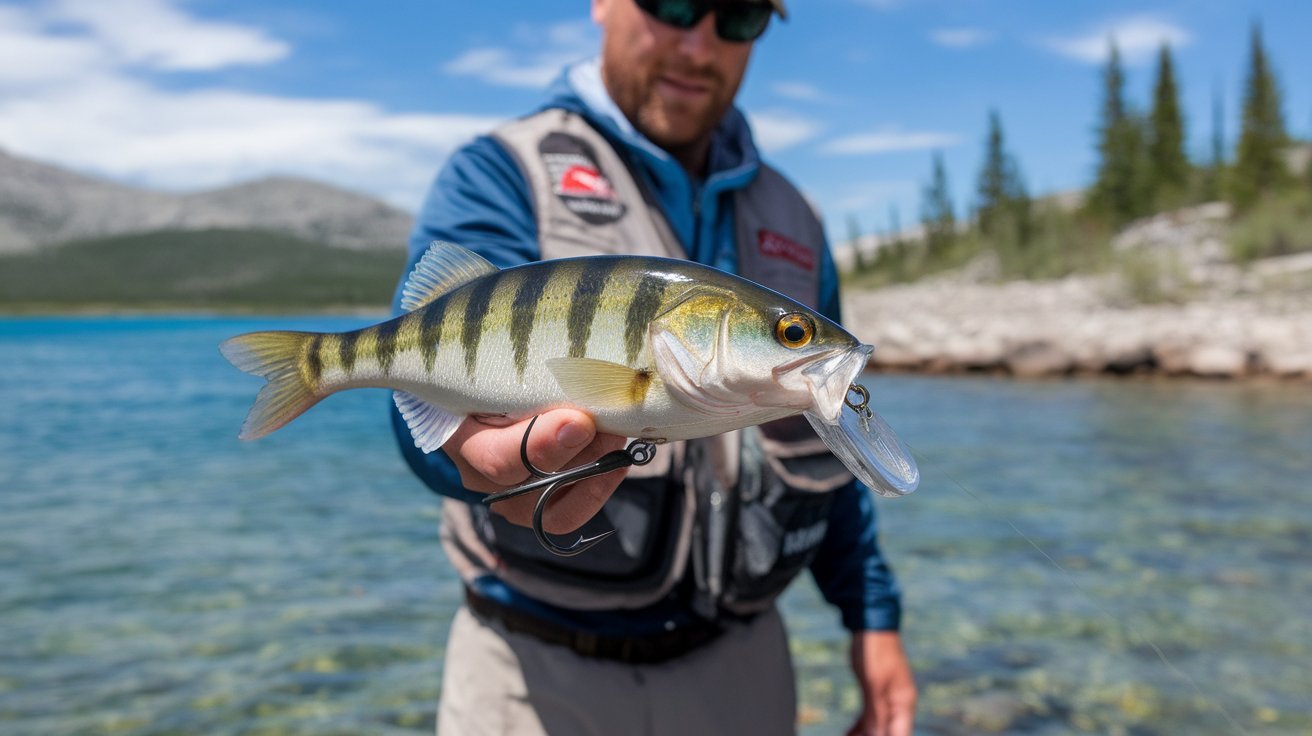
The Bass Pro Shops XPS Staredown Suspending Jerkbait has earned a strong reputation among anglers looking for a reliable and affordable hard bait that consistently attracts predatory fish. Designed to imitate an injured baitfish, this lure combines realistic appearance, erratic movement, and effective suspending action to trigger strikes from bass and other game fish.
In 2026, the popularity of jerkbait fishing continues to grow, and the XPS Staredown remains one of the most trusted options for anglers targeting largemouth bass, smallmouth bass, spotted bass, and other aggressive species. With premium features, realistic finishes, and tournament-ready performance, this lure has become a favorite for both beginners and experienced fishermen. The lure is designed with lifelike colors, detailed paint finishes, an integrated weight-transfer system, 3D eyes, and black nickel treble hooks for dependable performance.
What Makes the XPS Staredown Suspending Jerkbait Special?
A suspending jerkbait is designed to dive to a specific depth and then remain nearly motionless when the retrieve is paused. This action imitates an injured or exhausted baitfish, creating an irresistible target for predators.
The Bass Pro Shops XPS Staredown Suspending Jerkbait stands out because it combines several advanced features into an affordable lure. It offers highly realistic finishes, detailed body construction, and an erratic darting action that closely resembles fleeing forage fish. Its integrated weight-transfer system helps anglers achieve longer casts, while the suspending design keeps the lure in the strike zone longer.
The result is a lure capable of producing strikes even when fish are inactive or pressured.
Key Features and Design Elements
One reason anglers continue choosing the XPS Staredown is its thoughtful design.
Some of its most notable features include:
- Suspending action
- Integrated weight-transfer system
- Realistic baitfish profile
- Highly detailed paint schemes
- 3D Staredown Eyes
- Black nickel treble hooks
- Strong casting performance
- Multiple diving-depth options
The weight-transfer system is particularly valuable because it shifts internal weight during the cast, improving distance and accuracy. Once the lure enters the water, the weight redistributes to create natural swimming action.
These features allow anglers to cover more water while maintaining excellent lure control.
Available Sizes, Colors, and Diving Depths
The XPS Staredown lineup offers several options to match different fishing conditions.
Popular configurations include:
3-7/8-Inch Model
- Weight: 3/8 ounce
- Maximum diving depth: 5 feet
- Suspending design
- Hook size 8 on certain models
4-1/3-Inch Model
- Weight: 1/2 ounce
- Maximum diving depth: 7 feet
- Available in multiple colors
- Hook size 6 on many versions
Deep Diving Models
Some versions are designed to reach depths up to 11 feet, making them effective for targeting fish holding deeper in the water column.
Popular color patterns include:
- Clear AYU
- Pro Blue
- Tennessee Shad
- Threadfin Shad
- Coldwater Shad
- Matte Shad
- Chartreuse Ice
- Exo Shad
These color options help anglers match local forage and adapt to varying water conditions.
Best Fishing Techniques for the XPS Staredown Jerkbait
Success with a jerkbait often depends on presentation.
The most effective retrieve usually follows a simple pattern:
Jerk – Jerk – Pause
After casting, reel the lure down to its desired depth. Use sharp twitches of the rod tip to create erratic side-to-side movement. Then pause and allow the lure to suspend.
During the pause, many strikes occur because the lure appears vulnerable and easy to catch.
Other effective retrieves include:
Aggressive Retrieve
Ideal during warmer months when fish are actively feeding.
- Rapid jerks
- Short pauses
- Faster retrieve speed
Cold-Water Retrieve
Perfect for early spring, late fall, and winter.
- Gentle rod twitches
- Long pauses
- Slower overall presentation
This flexibility makes the XPS Staredown effective throughout the year.
Best Conditions for Using the XPS Staredown
The lure performs exceptionally well in a variety of fishing environments.
Ideal locations include:
- Reservoirs
- Natural lakes
- Rivers
- Creek channels
- Points
- Bluff walls
- Submerged vegetation edges
- Rocky shorelines
The suspending action is especially productive in clear to moderately stained water, where fish can easily track the lure’s movement.
Many anglers find the lure particularly effective during:
- Spring pre-spawn periods
- Fall feeding seasons
- Cool-water conditions
- Post-frontal weather patterns
Because it remains suspended in the strike zone, the lure often triggers reaction bites from fish that ignore faster-moving presentations.
Target Species for the XPS Staredown Jerkbait
Although designed primarily for bass fishing, the XPS Staredown can attract multiple species.
Common targets include:
Largemouth Bass
The lure’s realistic baitfish profile and suspending action make it highly effective around points, docks, and vegetation.
Smallmouth Bass
Smallmouth often respond aggressively to the lure’s darting movement, especially in rocky lakes and rivers.
Spotted Bass
The ability to fish at varying depths makes the lure ideal for spotted bass habitats.
Other Predators
Depending on location, anglers may also catch:
- Walleye
- Striped bass
- Hybrid bass
- White bass
- Northern pike
- Muskie
Its versatility increases its value as a year-round fishing tool.
Why Anglers Choose the XPS Staredown in 2026
The fishing industry offers countless jerkbait options, yet the XPS Staredown continues to stand out.
Reasons anglers trust this lure include:
- Excellent value for money
- Reliable suspending performance
- Realistic finishes
- Strong hardware components
- Long casting capability
- Multiple color selections
- Various depth options
- Consistent fish-catching ability
Whether fishing tournaments or enjoying a weekend outing, many anglers appreciate having a lure that performs across multiple seasons and conditions.
The combination of lifelike action, realistic appearance, integrated weight transfer, premium hooks, and proven fish-catching performance has helped the XPS Staredown establish itself as one of the most dependable jerkbaits available today.
Conclusion
The Bass Pro Shops XPS Staredown Suspending Jerkbait remains one of the top-performing hard baits for anglers in 2026. Its realistic design, suspending capability, advanced weight-transfer system, and multiple diving-depth options make it a highly versatile lure for a wide range of fishing situations.
Whether targeting largemouth bass in shallow cover, smallmouth bass on rocky points, or deeper fish using the 11-foot diving models, this jerkbait provides dependable results. With proper retrieval techniques and the right color selection, the XPS Staredown can become a go-to lure in any angler’s tackle box, helping deliver more strikes, more hookups, and more successful days on the water.

Time Traveler Silver Dollar City is one of the most distinctive roller coasters in the United States, combining a dramatic vertical drop, two launches, freely spinning coaster cars, and three inversions into a single ride. Located at Silver Dollar City in Branson, Missouri, Time Traveler opened in 2018 and quickly became one of the park’s signature attractions. In 2026, the ride continues to stand out because its unusual combination of spinning, launching, and terrain-based elements creates an experience that is very different from a conventional roller coaster.
For anyone planning a visit to Silver Dollar City, understanding the Time Traveler ride, its height requirement, major statistics, theme, seating arrangement, and overall experience can make it easier to decide when to ride it and whether it is suitable for everyone in the group.
What Is Time Traveler at Silver Dollar City?
Time Traveler is a steel Xtreme Spinning Coaster manufactured by German ride company Mack Rides. Silver Dollar City describes it as the world’s fastest, steepest, and tallest spinning coaster, with a 100-foot height, a 90-degree drop, and a maximum speed of 50.3 mph.
The ride was a major investment for Silver Dollar City, costing approximately $26 million. It was specifically designed to work with the park’s mountainous Ozark terrain rather than simply occupying a flat section of land. The result is a coaster that interacts closely with hills, trees, and the surrounding landscape.
Unlike a conventional coaster in which riders generally face the direction of travel, Time Traveler uses spinning cars. Riders can rotate as the train moves through the course, meaning the direction in which passengers face can change throughout the experience. This adds an unpredictable element to every ride because the visual experience can differ from one trip to another.
The ride is also themed around the idea of time travel, fitting naturally with Silver Dollar City’s historic atmosphere and its broader emphasis on immersive storytelling.
Time Traveler Ride Facts and Record-Breaking Features
The statistics behind Time Traveler Silver Dollar City explain why the attraction received so much attention when it opened. The coaster reaches a top speed of 50.3 miles per hour, stands approximately 100 feet tall, and features a 90-degree vertical drop of about 90 feet.
The ride contains approximately 3,020 feet of track and lasts around 1 minute and 57 seconds. Its layout includes three major inversions: a dive loop, a vertical loop, and a zero-G roll.
One of the most remarkable features is that the coaster does not rely on a traditional lift hill. Instead, riders experience a dramatic drop almost immediately after leaving the station. The first launch then accelerates the train from approximately 0 to 47 mph in three seconds. A second launch later increases speed again, taking the train from roughly 30 to 45 mph in about 3.5 seconds.
When it debuted, Time Traveler was promoted as the first spinning coaster to combine three inversions, a vertical loop, and two launches. That combination remains central to what makes the ride unusual.
How the Time Traveler Ride Experience Works
The Time Traveler experience begins inside a themed station before riders are sent into one of the coaster’s most memorable elements: the 90-degree drop. Rather than slowly climbing a conventional lift hill and then descending, the train drops almost immediately, creating an intense opening to the ride.
The spinning mechanism then adds another dimension. The cars are designed to rotate independently, so riders may face different directions while traveling through turns, launches, and inversions. The spinning is controlled rather than being a completely uncontrolled rotation, creating a balance between unpredictability and engineered ride performance.
After the opening section, the coaster moves through its inversion sequence and launches. The 95-foot vertical loop is one of its most recognizable elements, while the zero-G roll and dive loop add additional changes in orientation. The track crosses over itself numerous times, contributing to the compact but complicated appearance of the layout.
Because the train can rotate, the ride does not necessarily look or feel identical from one ride to another. This is one reason enthusiasts often consider repeat rides worthwhile.
Time Traveler Height Requirement and Important Rider Information
For the 2026 season, Silver Dollar City’s official ride information lists a minimum height requirement of 51 inches for Time Traveler. There is no maximum height listed on the park’s attraction page.
A test seat is available near the front of the attraction entrance. This gives potential riders an opportunity to determine whether they can comfortably meet the seating requirements before waiting in the queue.
This is particularly useful because roller-coaster restraints can feel different from one attraction to another. Meeting the stated height requirement does not necessarily guarantee that every rider will find the restraint comfortable.
Guests should also review Silver Dollar City’s current accessibility and weather guidelines before visiting. Operating conditions can change because of weather, maintenance, capacity, or other park considerations, so checking the official attraction information on the day of a visit is sensible.
Time Traveler Theme and Story
Time Traveler is more than a collection of track elements. Its theme revolves around a fictional 19th-century clockmaker and inventor, helping connect the futuristic ride technology with Silver Dollar City’s historical setting.
The story was developed around Charles Henry, a clockmaker whose experiments lead him toward the possibilities of time travel. Contemporary coverage of the attraction described the concept as being influenced by classic time-travel storytelling associated with writers such as H.G. Wells and Jules Verne.
The station and queue reinforce the concept through clocks, gears, machinery, and industrial details. This gives the attraction an identity that fits naturally within Silver Dollar City’s 1880s-inspired environment while allowing the coaster itself to represent something far more futuristic.
The combination of historical theming and advanced coaster engineering is an important part of the attraction’s appeal. Riders are not simply entering a roller coaster; they are entering a themed invention designed around the fictional idea of traveling through time.
When to Ride Time Traveler at Silver Dollar City in 2026
Time Traveler is one of Silver Dollar City’s most popular thrill attractions, so wait times can become significant on busy days. Historical 2026 wait-time data indicates that the ride has experienced substantial queues during periods of high attendance, with annual average waits reported in the range of several dozen minutes.
For visitors hoping to experience the coaster with less waiting, arriving early and planning the day’s route in advance can be useful. It is also worth checking the park’s current operating information because weather and operational conditions can affect ride availability.
For the 2026 season, Silver Dollar City’s official attraction page lists Time Traveler under its operating calendar beginning March 13, 2026, and extending through January 2, 2027.
Rather than assuming the ride will operate continuously throughout every visit, guests should verify the latest park schedule and attraction status before traveling.
Why Time Traveler Remains a Must-Ride in 2026
The lasting appeal of Time Traveler Silver Dollar City comes from the fact that it combines several unusual coaster characteristics in one compact experience. The 50.3-mph speed, 90-degree drop, three inversions, two launches, and spinning cars already make the ride distinctive, while its integration with the Ozark terrain adds another layer to the experience.
It is particularly attractive to thrill-seekers who want something different from a traditional lift-hill coaster. The immediate drop creates an unusual beginning, the launches add acceleration, and the spinning cars can change the visual experience from one ride to another.
The attraction also remains important to Silver Dollar City’s identity. When it was announced, the park described it as its largest investment at the time, and its combination of engineering and storytelling demonstrated the park’s ambition to create distinctive attractions.
For visitors planning a Silver Dollar City trip in 2026, Time Traveler deserves a prominent place on the itinerary. With its record-setting specifications, immersive clockmaker theme, spinning trains, multiple launches, and three inversions, it offers an experience that is difficult to duplicate elsewhere.

Peter Orszag Hair: Hairline, Gray Hair, Baldness Rumors, and Appearance in 2026

Anne Steves: Biography, Age, Family, Marriage to Rick Steves, Divorce and Life in 2026

BMW X6 2026: The Ultimate Luxury Coupe SUV Guide

Duff Badgley: The Private Life, Family Legacy, and Influence Behind the Badgley Name

Who Is Amy Sherrill? The Untold Story of Tim Duncan’s Former Wife

Orgasamtrix: Understanding the Term, Online Presence, Safety Concerns, and What Users Should Know
 Celebrity3 months ago
Duff Badgley: The Private Life, Family Legacy, and Influence Behind the Badgley Name
- Celebrity3 months ago
Who Is Amy Sherrill? The Untold Story of Tim Duncan’s Former Wife
- Health3 months ago
Orgasamtrix: Understanding the Term, Online Presence, Safety Concerns, and What Users Should Know
- Celebrity3 months ago
Who Is Cole Maness? Everything About Erika Christensen’s husband
- Business3 months ago
Seekde: Complete Guide, Meaning, Features, Benefits, and Everything You Need to Know
- Business3 months ago
Stay Always Updated with TXEPC: The Complete 2026 Guide to Real-Time Information, Digital Insights
- Business3 months ago
SparkTraffic vs ClickSEO.io: Complete 2026 Comparison of Features, SEO Performance, Traffic Quality, Pricing, and Best Use Cases
- ThriftyEvents2 months ago
Get Blog ThriftyEvents.net: The Complete 2026 Guide to Budget Event Planning, DIY Party Ideas, and Smart Celebration Tips