Drinks
Matcha: Benefits, Nutrition, Types, and How to Make It in 2026

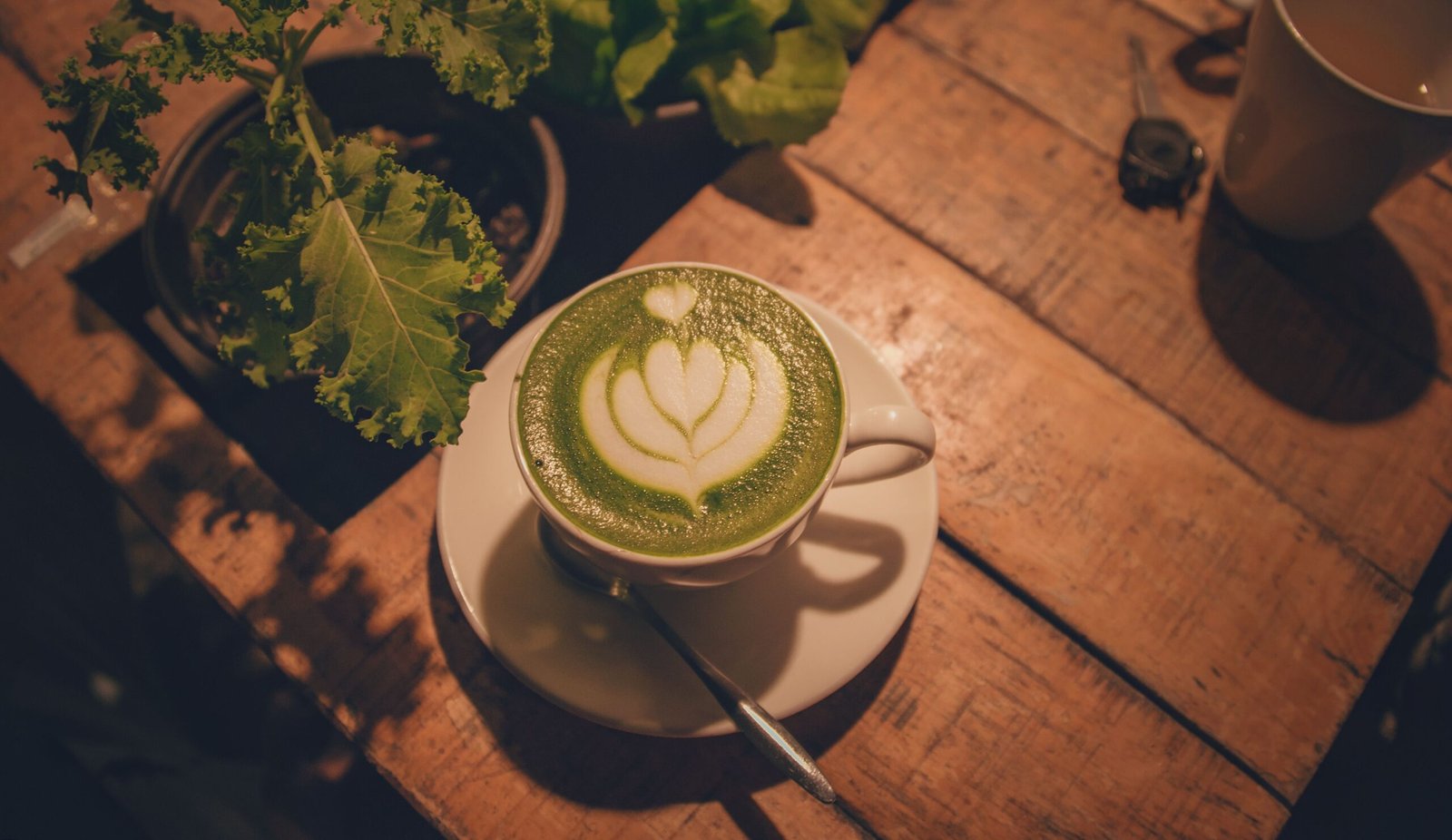
Matcha is a finely ground green tea powder known for its vibrant green color, earthy flavor, and place in traditional Japanese tea culture. In recent years, it has become a popular choice in cafés and home kitchens, appearing in everything from classic tea and creamy lattes to smoothies, desserts, and breakfast recipes. Its distinctive taste and versatility make it appealing to people who want to explore alternatives to regular tea or coffee.
But matcha is more than a fashionable green drink. It contains caffeine, L-theanine, and antioxidant plant compounds, including catechins that have been studied for their possible effects on health. Because matcha is made by consuming powdered tea leaves rather than simply steeping and removing them, it differs from ordinary green tea in both preparation and composition.
This 2026 guide explains what matcha is, how it is made, its potential benefits, the differences between matcha grades, and how to prepare it at home. It also covers caffeine, possible side effects, and practical tips for choosing a good-quality powder.
What Is Matcha and Where Does It Come From?
Matcha is powdered green tea made from specially cultivated and processed leaves of the Camellia sinensis plant. The same plant produces green, black, white, and oolong teas, but the cultivation and processing methods differ. Matcha tea plants are typically shaded before harvest, a practice that influences the leaves’ color, amino acids, and flavor. The leaves are processed into tencha and then finely ground into powder.
Matcha has a long history in East Asian tea culture and is closely associated with the Japanese tea ceremony, where preparing and drinking tea can be a mindful, carefully structured practice. Today, it is enjoyed in both traditional and modern forms around the world.
Unlike ordinary green tea, which is commonly prepared by steeping leaves in hot water and then removing them, matcha powder is whisked directly into the liquid. This means you consume the powdered leaf itself. Matcha typically has a grassy, earthy, slightly sweet, or savory flavor, often described as umami. Higher-quality powders tend to have a fresher, more delicate taste, while some lower-grade products can be more bitter.
Matcha should not be confused with blue matcha, which is generally made from butterfly pea flowers rather than green tea leaves. The two powders have different origins, colors, and compositions.
Matcha Nutrition and Potential Health Benefits
Matcha contains several naturally occurring compounds that make it an interesting addition to a balanced diet. These include catechins, a group of antioxidants; L-theanine, an amino acid found in tea; and caffeine, which can increase alertness. The nutritional content of a serving depends on the amount of powder used and whether you add milk, sugar, syrup, or other ingredients.
Antioxidant support: Matcha contains catechins, including epigallocatechin gallate (EGCG). These compounds have antioxidant activity, although the full health effects of regularly drinking matcha are still being studied.
Alertness and concentration: Matcha’s caffeine can help increase alertness. L-theanine may influence attention and relaxation, but individual experiences vary.
Heart health: Research on green tea compounds suggests possible benefits for cardiovascular health, including blood pressure and cholesterol. However, matcha should not be considered a treatment for heart disease.
A low-calorie drink option: Matcha prepared with water contains relatively few calories. Choosing it without added sugar can be a useful alternative to heavily sweetened beverages.
It is important to separate potential benefits from proven medical outcomes. Research on green tea and its compounds is promising in some areas, but more well-designed human studies are needed to establish the specific effects of matcha itself. Matcha is not a detox product, a guaranteed weight-loss solution, or a substitute for medical treatment.
Types of Matcha: Ceremonial, Premium, and Culinary
Matcha is sold in different grades, although grading terminology is not standardized across every producer. The most useful way to choose a powder is to consider its flavor, intended use, freshness, and the manufacturer’s information rather than relying on the grade name alone.
Ceremonial-grade matcha is generally marketed for drinking with water. It is often selected for its vivid color, delicate flavor, and smooth texture. If you enjoy matcha without milk or sweeteners, this type may be worth exploring.
Premium or everyday matcha can be suitable for regular tea drinking and lattes. Its flavor and price vary depending on the source and production method. For many home users, a versatile powder is a practical starting point.
Culinary-grade matcha is designed primarily for recipes such as cakes, cookies, ice cream, smoothies, and energy bites. It often has a stronger flavor that can stand out alongside other ingredients.
When shopping, look for a clear ingredient list, reliable sourcing, suitable packaging, and a fresh green appearance. A bright color can be a useful visual clue, but it does not independently prove purity or quality. Avoid assuming that a product is authentic simply because its packaging uses words such as “ceremonial” or “premium.”
How to Make Matcha Tea and Matcha Lattes at Home
Preparing matcha is simple once you have the right technique. A bamboo whisk called a chasen is traditionally used, but a small handheld frother or suitable whisk can also work.
Start with approximately half to one teaspoon of matcha, adjusting the quantity to your preferred strength. Sift it into a bowl or mug to reduce lumps.
Add a small amount of hot, not boiling, water. Water around 70–80°C (158–176°F) is a useful starting point for a smoother flavor.
Whisk briskly in a zigzag motion until the powder is evenly dispersed and a light layer of foam forms. Add more water to taste and drink promptly.
To make a matcha latte, first whisk the powder with a little warm water to create a smooth mixture. Add steamed or chilled milk, depending on whether you prefer a hot or iced drink. Dairy milk and plant-based options such as oat, soy, or almond milk can all be used. For extra sweetness, add a small amount of honey or another sweetener, keeping in mind that added sugar changes the drink’s nutritional profile.
Matcha Recipes, Caffeine, and Possible Side Effects
Matcha is not limited to tea. Its distinctive flavor works in many recipes, including fruit smoothies, overnight oats, yogurt bowls, chia pudding, pancakes, muffins, and homemade energy bites. Culinary-grade powder is often a sensible choice for baking because it can provide noticeable flavor and color without requiring an expensive drinking-grade product.
Matcha does contain caffeine, and the amount varies according to the quantity and product used. It may be a useful morning drink for some people, but consuming it late in the day can interfere with sleep. People who are sensitive to caffeine may experience jitters, anxiety, a racing heartbeat, or stomach discomfort, particularly after drinking large amounts.
A few practical precautions can help:
Start with a small serving if you are new to matcha.
Limit other caffeine sources if you notice unwanted effects.
Avoid highly sweetened café drinks if you want to keep added sugar low.
Choose products from reputable sellers and follow the recommended serving instructions.
Ask a healthcare professional about matcha if you are pregnant, take medication that may interact with caffeine, or have a condition affected by caffeine intake.
Ordinary matcha prepared as a drink is different from concentrated green tea extracts and supplements. High-dose extracts have different risk considerations, so do not assume that taking concentrated products offers the same safety profile as drinking tea.
Frequently Asked Questions About Matcha
Is matcha healthier than regular green tea?
Matcha involves consuming the powdered leaf, whereas regular green tea is usually steeped and strained. This changes the amount of tea compounds consumed, but it does not mean matcha is automatically healthier for everyone. Both can fit into a balanced diet.
Does matcha contain caffeine?
Yes. Matcha contains caffeine, and the amount depends on the powder and serving size. If you are sensitive to caffeine, start with a small serving and avoid drinking it close to bedtime.
Can matcha help with weight loss?
Matcha is not a guaranteed weight-loss product. An unsweetened serving is relatively low in calories, but lasting weight management depends on overall eating habits, physical activity, sleep, and other factors.
Why is some matcha bitter?
Bitterness can result from the powder’s quality, quantity, freshness, or preparation. Using slightly cooler water, reducing the amount of powder, and choosing a product intended for drinking may help produce a smoother cup.
Can I drink matcha every day?
Many people can enjoy moderate amounts of matcha, but individual caffeine tolerance and health needs differ. Consider your total daily caffeine intake and reduce consumption if it affects your sleep or makes you feel unwell.
Conclusion
Matcha is a versatile powdered green tea with a rich cultural history, a distinctive earthy flavor, and a range of uses in modern cooking. It provides caffeine, L-theanine, and antioxidant compounds, making it an appealing alternative to ordinary tea or coffee for people who enjoy its taste. However, its potential health benefits should be understood realistically, without treating it as a cure or a shortcut to weight loss.
In 2026, whether you choose ceremonial-style matcha for a traditional cup, everyday powder for a latte, or culinary matcha for recipes, focus on freshness, trustworthy sourcing, and suitable preparation. Start with a small serving, watch your caffeine intake, and keep added sweeteners moderate. With the right approach, matcha can be an enjoyable part of a balanced daily routine.

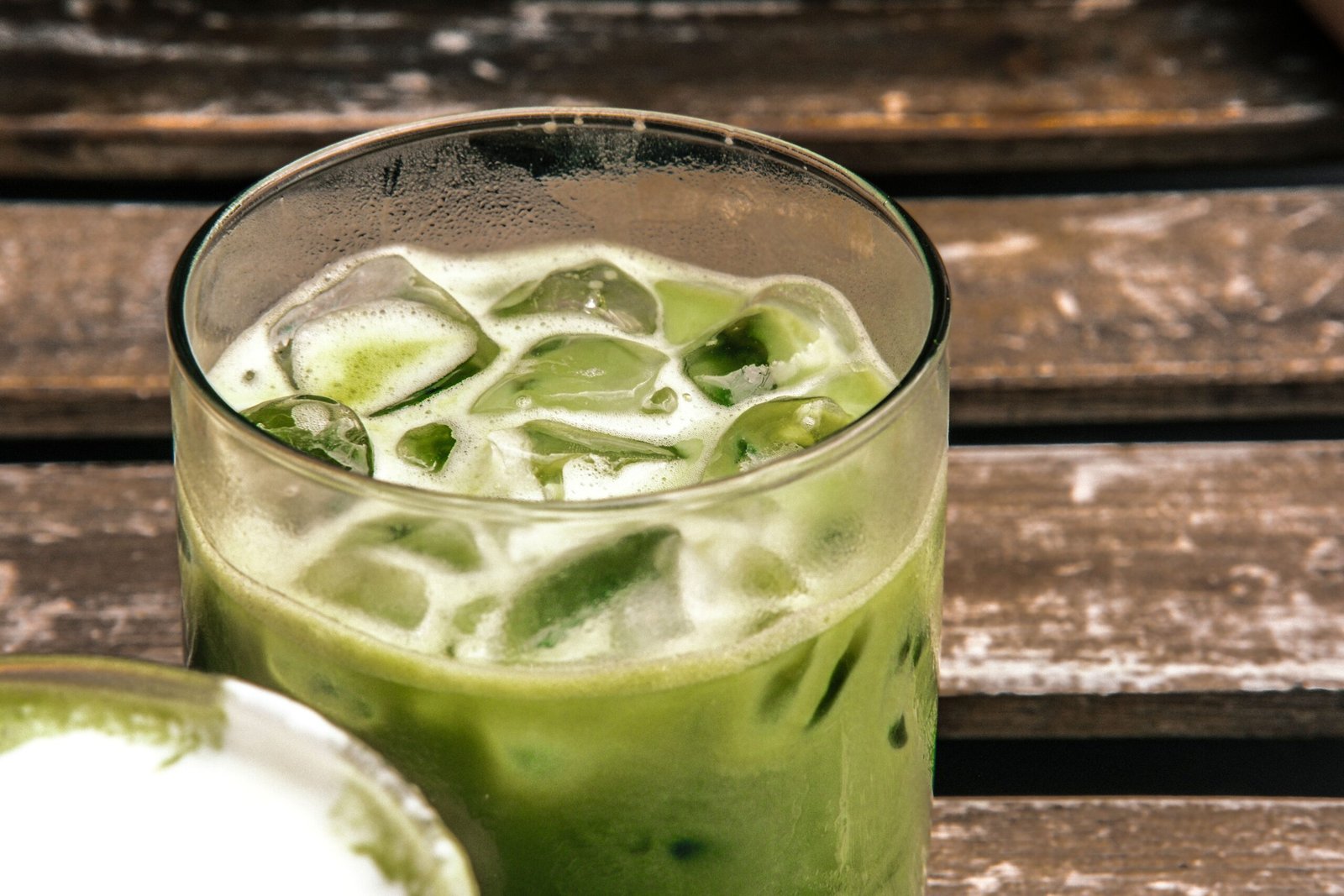
Matcha has become one of the world’s most popular green tea varieties, appearing in everything from traditional Japanese tea ceremonies to iced lattes, smoothies, desserts, and modern wellness routines. Recognized by its bright green color and distinctive earthy flavor, matcha is a finely ground powder made from specially cultivated green tea leaves. Unlike regular green tea, which is steeped and removed before drinking, matcha is whisked into water, allowing you to consume the powdered leaf itself.
Interest in matcha continues to grow because of its unique taste, versatility, and natural compounds, including antioxidants, caffeine, and L-theanine. People enjoy it as an alternative to coffee, a refreshing afternoon drink, or an ingredient in recipes. However, matcha is not a miracle health product, and its effects depend on serving size, preparation, individual caffeine sensitivity, and overall diet.
This complete guide explains what matcha is, its potential health benefits, nutritional properties, preparation methods, and practical tips for choosing quality matcha in 2026.
What Is Matcha and Where Does It Come From?
Matcha is a powdered form of green tea traditionally associated with Japanese tea culture. It is made from Camellia sinensis, the same plant used to produce green, black, white, and oolong teas. What makes matcha different is how the tea plants are cultivated and how their leaves are processed.
Before harvest, matcha plants are typically shaded for several weeks. Reduced exposure to direct sunlight changes the plants’ chemistry, encouraging the production of chlorophyll and influencing levels of amino acids such as L-theanine. These changes contribute to matcha’s vivid green color, savory flavor, and characteristic aroma.
After harvesting, the leaves are steamed to limit oxidation, dried, and processed into a product called tencha. Stems and veins are removed before the remaining leaf material is ground into a fine powder, traditionally using stone mills. The resulting powder is matcha.
Japan is especially well known for matcha production, with regions such as Uji in Kyoto Prefecture and Nishio in Aichi Prefecture associated with established tea-growing traditions. Matcha quality can vary depending on the cultivar, growing conditions, harvest timing, processing methods, and storage.
Traditional Japanese tea ceremonies use matcha as a central ingredient, emphasizing careful preparation and mindful consumption. Today, the same powder is also used in modern beverages, baking, confectionery, and savory recipes. Its combination of cultural history and contemporary versatility has helped make matcha popular worldwide.
Health Benefits of Matcha: What Does Research Say?
One reason matcha attracts attention is its concentration of naturally occurring plant compounds. These include catechins, a type of antioxidant, as well as L-theanine and caffeine. Research suggests that these compounds may have beneficial effects, although evidence specifically studying matcha in humans remains limited compared with the broader research on green tea.
1. Provides antioxidants: Matcha contains catechins, including epigallocatechin gallate (EGCG). Antioxidants help protect cells against oxidative damage. However, laboratory findings do not automatically prove that drinking matcha prevents particular diseases.
2. May support focus and alertness: Matcha contains caffeine, which can improve alertness, while L-theanine is associated with relaxation and aspects of cognitive function. The combination may help some people feel focused without experiencing the same subjective effects they get from coffee, although individual responses vary.
3. Can be part of a heart-conscious diet: Research on green tea suggests possible benefits for certain cardiovascular risk factors, including cholesterol levels. However, matcha should not be considered a treatment for high cholesterol or heart disease.
4. May complement healthy lifestyle habits: Unsweetened matcha is a relatively low-calorie beverage when prepared with water. Replacing sugary drinks with plain matcha may help reduce added sugar intake, but matcha itself is not a guaranteed weight-loss solution.
It is important to keep expectations realistic. Matcha is a beverage, not a medicine. Research continues to investigate its potential health effects, and more high-quality human studies are needed to establish the benefits of regular matcha consumption.
How to Make Matcha at Home
Preparing matcha at home is simple once you understand the basic technique. Traditional preparation uses a small bowl and a bamboo whisk, but a small kitchen whisk or milk frother can also work.
Ingredients:
1–2 grams of matcha powder to start
Approximately 60–80 ml of hot water
Optional milk, ice, or a small amount of sweetener
Preparation steps:
Sift the matcha powder into a bowl to remove clumps.
Add a small amount of hot water that is below boiling temperature.
Whisk briskly in a zigzag motion until the powder is evenly dispersed and a light foam develops.
Add more water if you prefer a lighter drink, or pour the mixture over ice for a refreshing iced matcha.
For a matcha latte, combine the prepared tea with warm or cold milk. Sweeten lightly if desired.
Avoid using boiling water, which can make matcha taste harsher or more bitter. Adjust the amount of powder to suit your taste and caffeine tolerance.
Matcha Powder, Quality, Caffeine, and Possible Side Effects
When choosing matcha, look for a reputable supplier that provides clear information about origin, ingredients, packaging, and storage. Good-quality matcha often has a vibrant green color and a fresh, vegetal aroma. A dull or brownish appearance can indicate age, oxidation, or differences in processing, although color alone cannot guarantee quality.
You may encounter labels such as ceremonial grade and culinary grade. These are commonly used commercial descriptions rather than universally standardized quality certifications. Ceremonial-style matcha is generally marketed for drinking with water, while culinary matcha is commonly used in baking, smoothies, and lattes.
Matcha contains caffeine, and the amount varies according to the product and serving size. Too much caffeine can cause restlessness, anxiety, headaches, digestive discomfort, or difficulty sleeping. People who are pregnant, sensitive to caffeine, or taking medication that may interact with caffeine should seek appropriate professional advice about their intake. Concentrated green tea extracts are not equivalent to ordinary matcha drinks and have been associated with different safety concerns.
To preserve freshness, keep matcha in a tightly sealed container away from heat, moisture, light, and strong odors. Follow the manufacturer’s storage instructions and use it within the recommended period after opening.
Frequently Asked Questions About Matcha
Does matcha have more caffeine than coffee?
It depends on the serving size and preparation. Matcha contains caffeine and may provide less or more than a cup of coffee, depending on how much powder is used. Check product information and consider your total daily caffeine intake.
Can you drink matcha every day?
Many adults can enjoy moderate amounts as part of a balanced diet. Your appropriate intake depends on caffeine sensitivity, health conditions, medications, and other sources of caffeine.
Is matcha good for weight loss?
Matcha is not a proven weight-loss treatment. Unsweetened matcha can be a useful alternative to high-sugar beverages, but lasting weight management depends on overall diet, physical activity, sleep, and other lifestyle factors.
Is matcha better than regular green tea?
Neither is automatically better for everyone. Matcha involves consuming the powdered leaf, while regular green tea is steeped and removed. Their flavor, caffeine levels, and compound concentrations differ depending on preparation.
Conclusion
Matcha combines Japanese tea traditions with a distinctive flavor, vibrant green color, and versatile uses in modern drinks and recipes. It contains antioxidants, L-theanine, and caffeine, making it an appealing option for people who enjoy green tea and want an alternative to coffee or sugary beverages.
Whether you drink it traditionally, prepare an iced matcha latte, or add it to your favorite recipe, quality and moderation matter. Choose a trustworthy product, pay attention to caffeine, and avoid exaggerated health claims. Enjoyed as part of a balanced lifestyle, matcha can be a flavorful addition to your daily routine in 2026.
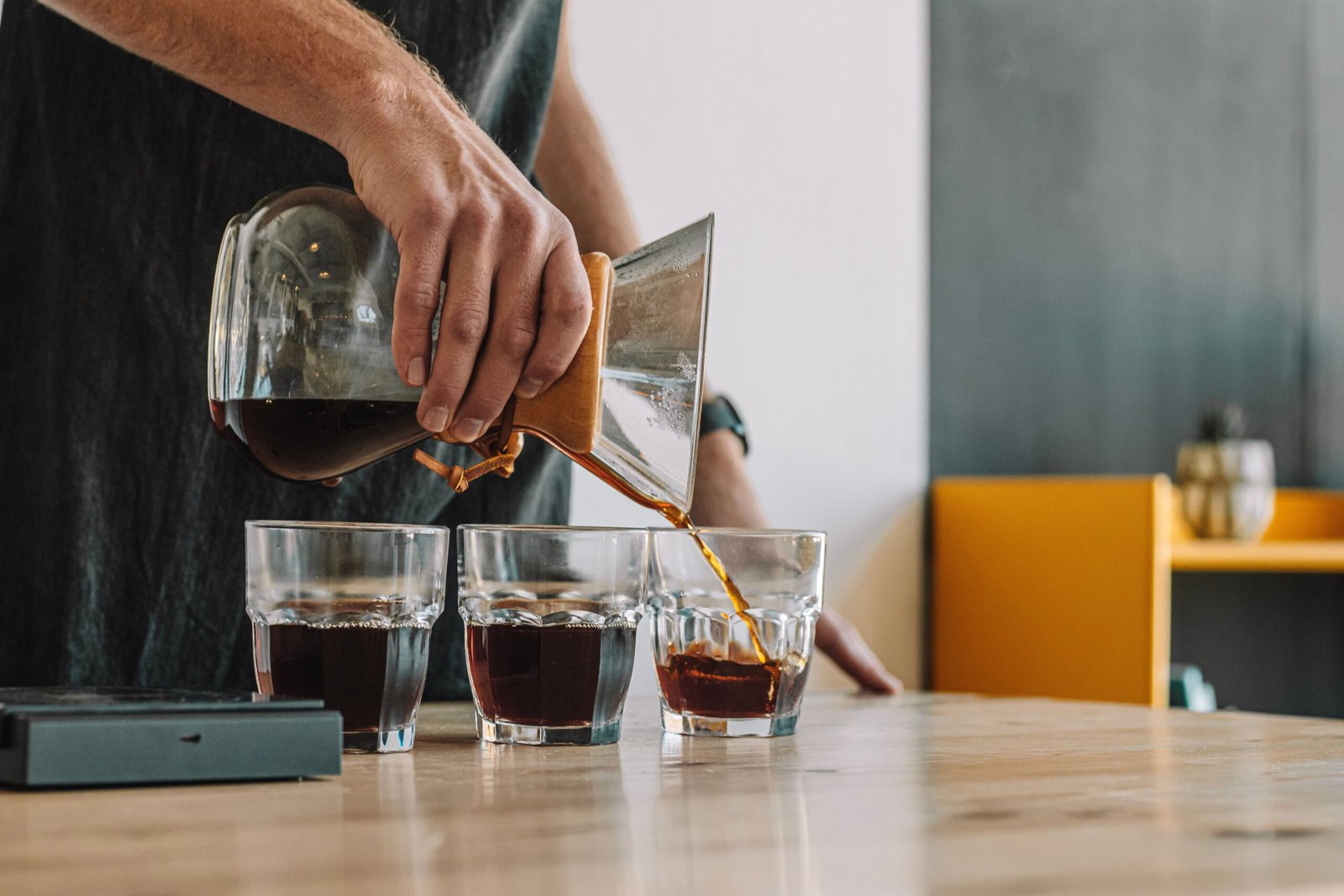
Learning how to brew pour over coffee is a great way to make a flavorful, aromatic cup at home. This manual brewing method gives us control over the water temperature, coffee-to-water ratio, grind size, and pouring technique. With a few simple tools and a consistent routine, we can prepare coffee that highlights the natural flavors of the beans without needing an expensive coffee machine.
Pour over coffee is popular among beginners and experienced coffee enthusiasts because it combines simplicity with precision. Whether we prefer a bright, fruity cup or a smooth, balanced brew, small adjustments can make a noticeable difference.
In this guide, we will explain the equipment needed, the ideal coffee measurements, the correct brewing temperature, and the step-by-step process for making delicious pour over coffee in 2026.
What Is Pour Over Coffee?
Pour over coffee is a manual brewing method in which hot water is poured over ground coffee held inside a filter. Gravity pulls the water through the grounds and into a cup or serving vessel below.
Unlike an automatic drip coffee machine, pour over brewing allows us to control the flow of water and distribute it across the coffee bed. This control makes it easier to experiment with flavor, strength, and extraction.
Popular pour over equipment includes the Hario V60, Chemex, and Kalita Wave. Each brewer has a slightly different design that influences water flow and filtration. Paper filters generally produce a clean cup by retaining much of the coffee’s fine sediment and oils.
The main advantage of this method is flexibility. We can adjust the recipe to suit different coffee beans, roast levels, and personal preferences. However, good results depend on consistency rather than complicated techniques. Starting with a reliable recipe and changing one variable at a time is usually the easiest way to improve.
What You Need to Brew Pour Over Coffee
Before starting, gather a few basic tools. We do not need professional equipment to make a good cup, but measuring ingredients accurately makes the process more repeatable.
Pour over dripper: Holds the filter and coffee grounds during brewing.
Paper filter: Choose a filter designed for your specific dripper.
Fresh coffee beans: Whole beans generally preserve their aroma better than pre-ground coffee.
Burr grinder: Produces a more consistent grind than many blade grinders.
Kettle: A gooseneck kettle provides better control over the water flow, although a standard kettle can work.
Digital scale: Measures coffee and water accurately.
Timer: Helps us repeat the same brewing process.
Mug or coffee server: Collects the finished drink.
A kitchen scale is particularly helpful because tablespoons of coffee can vary in weight depending on the bean and grind. Measuring in grams makes it easier to repeat a successful recipe.
If we are just starting, a basic dripper, paper filters, coffee, and a way to measure water are enough. Additional equipment can be added later if we want more control.
The Best Coffee-to-Water Ratio, Grind Size, and Temperature
The coffee-to-water ratio is one of the most important parts of pour over brewing. A useful starting point is 1:16, meaning one gram of coffee for every 16 grams of water.
For example, 20 grams of coffee requires 320 grams of water. This ratio produces a balanced starting point for many beans, although personal preference and the brewer can influence the ideal measurements.
| Coffee | Water | Approximate result |
|---|---|---|
| 15 g | 240 g | One small cup |
| 20 g | 320 g | One large cup |
| 30 g | 480 g | Two smaller servings |
For grind size, start with medium-fine grounds, roughly similar to table salt for many cone-shaped brewers. The exact setting depends on the grinder and dripper. A Chemex may work better with a slightly coarser grind because its thicker filter affects drainage.
Water temperature also influences extraction. A practical starting range is 195–205°F (90–96°C). Lighter roasts often benefit from the hotter end of this range, while darker roasts may taste smoother with slightly cooler water.
If the coffee tastes weak or sharply sour, we may need finer grounds or more effective extraction. If it tastes harsh or excessively bitter, a coarser grind may help. Adjust one variable at a time so we can identify what improves the cup.
How to Brew Pour Over Coffee Step by Step
Follow this straightforward recipe to make a balanced cup using a typical cone-shaped dripper.
Step 1: Heat the water. Heat enough water for brewing and rinsing the filter. Aim for approximately 200°F (93°C), adjusting within the recommended range according to your beans.
Step 2: Measure and grind the coffee. Weigh 20 grams of whole beans and grind them to a medium-fine consistency immediately before brewing.
Step 3: Prepare the filter. Place the paper filter inside the dripper and rinse it with hot water. This helps the filter sit correctly and reduces the chance of paper flavors affecting the drink. Discard the rinse water and place the dripper over your mug or server.
Step 4: Add the coffee. Put the ground coffee into the filter and gently level the bed. Place the brewer and server on your scale and reset the reading to zero.
Step 5: Bloom the coffee. Start the timer and slowly pour approximately 50–60 grams of water over the grounds, making sure they are evenly wet. Wait 30–45 seconds. This blooming stage allows trapped gases to escape and helps prepare the grounds for more even extraction.
Step 6: Continue pouring. Slowly pour the remaining water in controlled circles, working from the center toward the edges without repeatedly pouring directly onto the filter walls. Add water in stages if that makes the flow easier to control.
Step 7: Let the coffee drain. Continue until the scale reads 320 grams of total brewing water. For this recipe, a total brew time of roughly 2 minutes 45 seconds to 3 minutes 30 seconds is a reasonable starting target, although the ideal time varies by brewer, grind, and technique.
Step 8: Serve and taste. Remove the dripper when the water has drained, gently swirl the coffee if desired, and enjoy it fresh.
The most important goal is to wet the grounds evenly and maintain a controlled, repeatable pour. Exact timing is a guide rather than an absolute rule.
Common Pour Over Coffee Mistakes and How to Fix Them
Even with a good recipe, the first few attempts may not taste exactly right. Fortunately, small adjustments can improve the results.
Coffee tastes sour: This may indicate under-extraction. Try grinding slightly finer or using somewhat hotter water, while keeping the other variables unchanged.
Coffee tastes bitter or dry: The coffee may be over-extracted, although roast level and bean characteristics also matter. Try grinding a little coarser or reducing the water temperature slightly.
Coffee tastes weak: If the flavor is balanced but lacks intensity, use a little more coffee relative to the water. For example, change the ratio from 1:16 to 1:15.
Coffee tastes too strong: Increase the water slightly or reduce the coffee dose. A 1:17 ratio is a useful experiment if the existing cup tastes balanced but overly concentrated.
Water drains too quickly: The grind may be too coarse, or the pouring technique may allow water to bypass much of the coffee bed. Try a slightly finer grind and a more even pour.
Water drains too slowly: The grounds may be too fine, or excess fine particles may be restricting flow. Try a slightly coarser grind and avoid excessive agitation.
For the best results, change only one variable per brew. This makes it easier to understand how grind size, water temperature, and ratio affect flavor.
Conclusion
Learning how to brew pour over coffee does not require expensive equipment or complicated barista techniques. With fresh beans, a suitable grind, hot water, a paper filter, and a reliable coffee-to-water ratio, we can prepare a delicious cup at home.
Start with 20 grams of coffee, 320 grams of water, a medium-fine grind, and a 30–45-second bloom. Pour steadily, monitor the total brewing time, and taste the finished coffee before making adjustments.
The secret to better pour over coffee is consistency and experimentation. By making small changes and paying attention to flavor, we can discover the brewing method that best suits our favorite beans and enjoy a better cup throughout 2026.

Oakland County Jail 2026: Inmate Search, Visits & Phone

Orlando Sea Life 2026: Tickets, Hours, Exhibits & Tips

Posiciones de Mundial 2026: World Cup Standings, Rankings, and Final Results

Duff Badgley: The Private Life, Family Legacy, and Influence Behind the Badgley Name

Orgasamtrix: Understanding the Term, Online Presence, Safety Concerns, and What Users Should Know

Who Is Amy Sherrill? The Untold Story of Tim Duncan’s Former Wife
 Celebrity3 months ago
Duff Badgley: The Private Life, Family Legacy, and Influence Behind the Badgley Name
- Health3 months ago
Orgasamtrix: Understanding the Term, Online Presence, Safety Concerns, and What Users Should Know
- Celebrity4 months ago
Who Is Amy Sherrill? The Untold Story of Tim Duncan’s Former Wife
- Business3 months ago
Seekde: Complete Guide, Meaning, Features, Benefits, and Everything You Need to Know
- Celebrity4 months ago
Who Is Cole Maness? Everything About Erika Christensen’s husband
- Business3 months ago
Stay Always Updated with TXEPC: The Complete 2026 Guide to Real-Time Information, Digital Insights
- ThriftyEvents3 months ago
Get Blog ThriftyEvents.net: The Complete 2026 Guide to Budget Event Planning, DIY Party Ideas, and Smart Celebration Tips
- Business3 months ago
SparkTraffic vs ClickSEO.io: Complete 2026 Comparison of Features, SEO Performance, Traffic Quality, Pricing, and Best Use Cases