Entertainment
Elevation Rhythm Washed Lyrics: Meaning, Themes, and What to Know in 2026

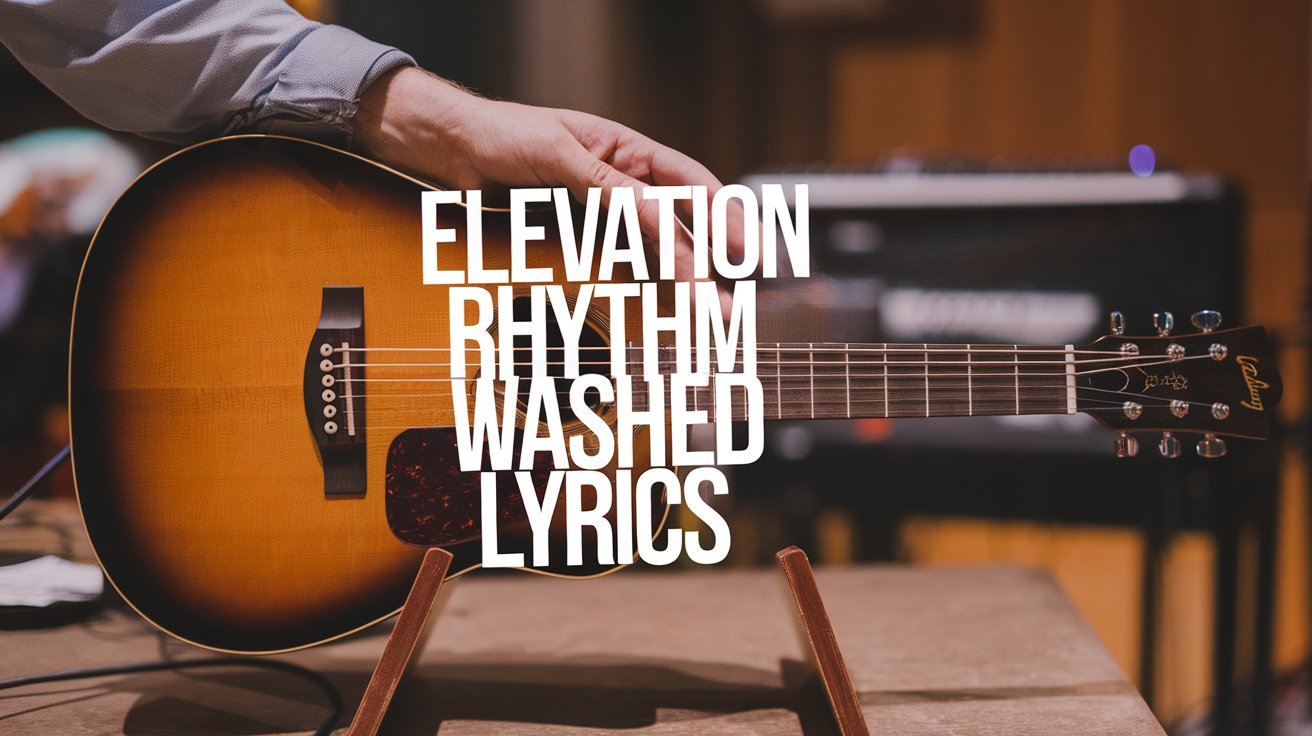
The phrase “Elevation Rhythm Washed lyrics” refers to the lyrics of “Washed” by Elevation Rhythm, a worship song associated with the youth-focused worship collective connected with Elevation Church. The song centers on themes of grace, redemption, forgiveness, freedom, and spiritual renewal.
For listeners searching for the complete lyrics, it is important to distinguish between discussing a song’s message and reproducing its copyrighted text. Rather than providing the full lyrics, this guide explores the meaning, themes, musical context, and significance of “Washed” while helping readers understand what makes the song resonate with worship audiences.
What Is “Washed” by Elevation Rhythm?
Elevation Rhythm is a worship collective associated with Elevation Church and its broader music ministry. Its music is particularly oriented toward younger worshippers and contemporary Christian audiences, combining modern production with themes rooted in Christian faith.
“Washed” uses the concept of being spiritually washed clean as its central image. In Christian worship language, being washed commonly represents cleansing from sin, forgiveness, restoration, and becoming new through faith.
The song therefore presents a message of transformation rather than simply describing an emotional experience. Its central idea is that a person’s past does not have to determine their identity or future.
This makes “Washed” particularly suitable for worship settings where themes of renewal and redemption are emphasized.
Elevation Rhythm “Washed” Lyrics: The Main Message
Although the full copyrighted lyrics cannot be reproduced here, the message of “Washed” can be summarized through several interconnected ideas.
The first is cleansing. The song uses washing as a metaphor for spiritual renewal. Instead of remaining defined by mistakes, guilt, or a previous way of life, the believer is portrayed as receiving a renewed identity.
The second major theme is grace. The song’s perspective is not that people achieve spiritual renewal entirely through their own efforts. Instead, the transformation is connected to God’s grace.
A third theme is freedom. The imagery suggests moving away from condemnation and toward a new sense of spiritual liberty.
Together, these ideas create a straightforward worship message:
The past can be forgiven, transformation is possible, and a renewed identity can be found through faith.
This accessibility is one reason songs with cleansing and renewal imagery often connect strongly with contemporary Christian audiences.
What Does “Washed” Mean in Christian Worship?
The word “washed” carries considerable symbolic meaning in Christianity.
Water is frequently used as an image of purification and renewal. Christian baptism, for example, is closely associated with repentance, new life, and identification with Christ.
The imagery does not necessarily mean physical washing. Instead, it represents a spiritual transformation.
In the context of Elevation Rhythm’s song, “washed” can therefore be understood as an image for being cleansed from sin and given a renewed identity.
This symbolism has deep roots in Christian scripture and worship. Biblical passages frequently use concepts such as washing, cleansing, white garments, and renewal when discussing forgiveness and spiritual restoration.
The song translates that broader theological imagery into a modern worship setting, making an established Christian concept accessible through contemporary music.
Themes Found in “Washed”
Several themes help explain the song’s appeal.
Grace
Grace is central to the song’s message. The idea is that spiritual restoration comes from God’s unearned favor rather than human perfection.
Redemption
Redemption involves being rescued or restored from a broken or sinful condition. The song presents transformation as something genuinely available rather than merely theoretical.
Identity
Another important theme is identity. The listener is encouraged to see themselves through the lens of renewal rather than allowing past mistakes to define who they are.
Freedom
The song also communicates a sense of freedom from the past. That idea can be especially meaningful to listeners dealing with guilt, regret, or feelings of spiritual inadequacy.
Renewal
Finally, “Washed” emphasizes the possibility of becoming new. This theme gives the song an uplifting quality that fits naturally into congregational worship.
Why People Search for the “Washed” Lyrics
Search interest around Elevation Rhythm Washed lyrics can come from several different motivations.
Some listeners hear the song during a church service and want to understand its words more clearly. Others may want to identify a particular phrase they remember from the song.
Students of worship music may also be interested in examining how contemporary Christian songs communicate theological concepts through simple imagery and repetition.
Another reason is that listeners often want to sing along. Official lyrics, licensed lyric services, music platforms, or authorized video descriptions may provide legitimate ways to access the words.
When searching online, we should be careful with websites that publish song lyrics without clear authorization. An official or properly licensed source is preferable because it supports the creators and reduces the risk of encountering inaccurate or incomplete lyrics.
Musical and Worship Style of Elevation Rhythm
Elevation Rhythm is known for a contemporary worship sound that incorporates elements familiar to younger listeners.
Modern worship arrangements commonly combine guitars, electronic textures, drums, bass, keyboards, layered vocals, and dynamic production. These elements can help create an atmosphere that moves from quieter reflective moments toward more energetic congregational sections.
“Washed” fits naturally within this contemporary worship environment because its message is direct, memorable, and emotionally accessible.
Repetition also has an important function in worship music. Repeated concepts can make a song easier for a congregation to learn and allow listeners to focus on the message rather than complicated lyrical structures.
This approach helps bridge the gap between personal listening and communal worship.
“Washed” in Personal Worship and Church Settings
The song’s themes make it suitable for moments focused on repentance, forgiveness, baptism, renewal, and spiritual reflection.
In a personal worship setting, listeners may connect the idea of being washed with experiences of leaving behind guilt or embracing a renewed sense of faith.
In a church environment, the same imagery can reinforce a collective message of redemption.
The song’s value is therefore not limited to its musical arrangement. Its broader purpose is to provide a worship framework for reflecting on spiritual transformation.
Different listeners may naturally emphasize different parts of the message. Someone experiencing a difficult period might focus on freedom, while another person might connect more strongly with forgiveness or identity.
How to Find the Official “Washed” Lyrics
People searching for Elevation Rhythm “Washed” lyrics in 2026 should prioritize authorized sources.
Official artist and label channels, licensed music platforms, and legitimate lyric providers are the best places to look for the complete wording. Searching for the song title together with Elevation Rhythm can help distinguish the intended song from unrelated tracks with similar names.
It is also worth checking the song’s official release information because recordings, live versions, and lyric presentations can sometimes differ slightly.
For anyone studying the song, it can be more useful to combine the authorized lyrics with information about the biblical themes of cleansing, forgiveness, redemption, and new life.
Elevation Rhythm “Washed” Lyrics: Final Overview for 2026
“Washed” by Elevation Rhythm is a contemporary Christian worship song built around the powerful image of spiritual cleansing. Although the complete copyrighted lyrics are not reproduced here, the song’s central themes include grace, forgiveness, redemption, freedom, identity, and renewal.
The word “washed” functions as a metaphor for being cleansed from the past and receiving a renewed spiritual identity. This concept connects the song with longstanding Christian imagery surrounding purification, baptism, repentance, and new life.
For listeners discovering the song in 2026, its appeal comes from the combination of a modern worship sound and a message that is simple to understand but spiritually significant. Those looking for the complete lyrics should use official or licensed sources, while readers interested in the song’s deeper meaning can explore its themes through the broader Christian concepts of grace and redemption.
Ultimately, “Washed” presents a message of hope and transformation: a person’s past does not have to remain the final definition of who they are.

Entertainment
Eventbrite: A Complete Guide to Event Discovery, Online Ticketing, and Event Management in 2026

Eventbrite is an online platform that helps people discover events, register for activities, purchase tickets, and organize gatherings. From concerts and festivals to business conferences, educational workshops, networking sessions, and community meetups, Eventbrite connects event organizers with audiences looking for experiences that match their interests.
In 2026, online event platforms remain an important part of how people plan their free time, build professional relationships, and participate in local communities. Instead of relying entirely on printed advertisements or word-of-mouth recommendations, users can explore event listings, review schedules, and manage registrations online. Organizers can use digital tools to promote events, communicate with attendees, and coordinate ticket sales.
Eventbrite is designed to support both sides of this process. Attendees can find events and manage their bookings, while organizers can publish event pages, offer tickets, monitor registrations, and access tools for managing attendance. The specific features, payment options, and fees depend on the event, location, and current platform policies.
Whether we want to attend a live concert, find a professional workshop, organize a fundraiser, or promote a local gathering, understanding how Eventbrite works can help us make better decisions. This guide explains its main features, benefits, pricing considerations, safety practices, and practical uses in 2026.
What Is Eventbrite and How Does It Work?
Eventbrite is an online event discovery and ticketing platform that enables organizers to publish events and manage registrations. Its services are used for a broad range of activities, including entertainment, education, professional development, social gatherings, and community events.
The platform works by connecting event creators with people who may want to attend their activities. Organizers create an event listing with details such as its title, description, date, time, location, ticket options, and registration requirements. Depending on their needs, they may offer free registration, paid tickets, or multiple ticket types.
Attendees can browse or search for events, review available information, and register or purchase tickets through the relevant event page. After completing a booking, they can use the confirmation details provided by Eventbrite to review their registration and access their ticket where supported.
For example, a business might use Eventbrite to organize a training seminar, while a local artist could create a ticketed performance. A nonprofit organization might use it to coordinate a fundraising event, and a community group could publish a free workshop.
The experience depends on the individual organizer. Eventbrite provides the platform, but the event’s schedule, venue, content, cancellation policy, and overall quality are generally determined by its organizer. Therefore, attendees should read each listing carefully before registering.
Key Features of Eventbrite in 2026
Eventbrite offers tools that support different stages of the event lifecycle, from promotion and registration to ticketing and attendance management. Feature availability may vary by region, event type, and account configuration.
1. Event discovery and search
Users can explore event listings based on their interests, dates, categories, and locations. Depending on local availability, listings may include concerts, nightlife, business events, food experiences, fitness activities, arts programs, and educational sessions.
2. Online ticketing and registration
Organizers can configure registration options for eligible events. These may include free tickets, paid admission, different ticket categories, or registration periods. Attendees can review the options presented on an event’s page before completing a booking.
3. Event creation and promotion
Event creators can build event pages containing descriptions, images, schedules, venue details, and registration information. These pages can provide a central destination for sharing essential details with prospective attendees.
4. Attendee management
Organizers can use available tools to review registrations and manage attendee information. Depending on the event and selected features, they may also use check-in tools to verify tickets at the entrance.
5. Event communication
Clear communication is essential for successful events. Organizers can provide relevant updates through the communication options available to them, helping attendees understand schedule changes, entry requirements, or other important arrangements.
6. Mobile-friendly access
Eventbrite supports mobile access, allowing users to browse events and review booking information on compatible devices. Mobile tickets and digital confirmation details can make event entry more convenient when supported by the organizer.
Together, these features help reduce administrative work and make event registration more organized for both attendees and organizers.
How to Use Eventbrite to Find and Book Events
Finding an event through Eventbrite is straightforward when we know what we want to attend. The following steps can help us identify suitable activities and complete a registration.
Step 1: Visit the official website
Open Eventbrite and browse available listings. Search using a topic, event name, date, or location to narrow the results.
Step 2: Review the event details
Read the description, schedule, venue information, organizer details, age restrictions, and entry requirements. Check whether the event is online, in person, or offered in a hybrid format.
Step 3: Register or purchase a ticket
Select an available ticket type and follow the checkout instructions. Review the total cost, applicable fees, and cancellation or refund conditions before confirming.
Step 4: Prepare for attendance
Check your confirmation email or booking information, save the ticket where convenient, and review any arrival instructions. If the event changes, consult official communications from the organizer.
A useful habit is to confirm the event’s date and time zone, particularly when booking an online session hosted in another country. For in-person activities, verify the venue address and transportation arrangements before leaving.
Eventbrite Pricing, Fees, and Refund Policies
Eventbrite supports both free and paid events. The cost of attending depends on the organizer’s ticket prices and any applicable fees or taxes. A free event may require registration even when no admission payment is collected.
For paid events, the checkout page should be reviewed carefully because the displayed ticket price may not represent the entire amount payable. Service fees, payment processing charges, taxes, and other applicable costs can affect the final total. How these fees are charged or passed on to attendees depends on the current pricing structure and the organizer’s settings.
Organizers should review Eventbrite’s official pricing information before publishing tickets, particularly when working with limited budgets or planning multiple events. Pricing and available features can change, so the official Eventbrite website is the appropriate place to check current terms.
Refunds also require careful attention. Eventbrite’s refund policies and the event organizer’s stated terms determine which options are available in a particular situation. Some events may offer refunds within a specified period, while others may have more restrictive conditions. Event cancellation, postponement, or significant schedule changes may also affect the available remedies.
Before purchasing a ticket, we should:
Check the complete checkout total.
Read the organizer’s refund and cancellation policy.
Confirm the event date, location, and admission conditions.
Keep the order confirmation and relevant communications.
Contact the organizer or consult Eventbrite’s official help resources if a booking problem occurs.
Benefits of Eventbrite for Event Organizers and Attendees
One of Eventbrite’s main advantages is its ability to bring event information, registration, and ticketing together in one place. This can simplify the process of organizing activities and make it easier for attendees to find events relevant to their interests.
For attendees, searchable listings provide a convenient way to discover activities beyond their immediate social circles. A person interested in entrepreneurship might find a networking session, while someone exploring a new hobby could discover a workshop or community class.
For event organizers, digital registration can reduce the need to manage paper lists and manual ticket sales. Event pages provide a place to communicate event details, and available reporting tools can help organizers understand registrations and plan attendance.
Small businesses, educators, community groups, charities, and independent creators may find the platform useful because it supports different event formats and audience sizes. However, the platform alone does not guarantee high attendance. Organizers still need compelling event descriptions, appropriate promotion, realistic scheduling, and effective communication.
Eventbrite can also support professional networking and community participation. Workshops, conferences, and local meetups create opportunities for people to exchange ideas, learn new skills, and develop relationships.
Ultimately, its value depends on how well the tools match the user’s needs and how effectively the event is planned and delivered.
Frequently Asked Questions About Eventbrite
1. Is Eventbrite free to use?
Eventbrite allows users to discover events and register for many free activities. Paid events may charge admission and applicable fees. Organizers may also face platform fees depending on their event and pricing arrangements.
2. How do I find events near me on Eventbrite?
Visit the official website or use the available mobile experience, then search by location, date, or category. Review the event details to confirm the venue, schedule, and registration requirements.
3. Can I cancel an Eventbrite ticket?
Cancellation and refund options depend on the event’s terms and applicable Eventbrite policies. Review the booking details and contact the organizer if you need help with a cancellation or refund request.
4. Is Eventbrite safe to use?
Eventbrite provides online event registration and ticketing services, but users should still verify unfamiliar organizers and event details. Avoid suspicious payment requests, review refund conditions, and use official booking pages.
5. Can I organize my own event on Eventbrite?
Yes. Organizers can create event listings, configure available registration or ticketing options, and manage attendees using the tools available to their accounts. Current fees and feature availability should be checked before publishing.
6. Does Eventbrite offer mobile tickets?
Eventbrite supports digital ticket access for eligible bookings. Depending on the event, attendees may be able to present a ticket or booking confirmation on a mobile device. Follow the entry instructions provided by the organizer.
Conclusion
Eventbrite is a practical online platform for discovering events, registering for activities, purchasing tickets, and organizing gatherings in 2026. Its combination of event listings, ticketing options, registration tools, and attendee management features makes it useful for individuals, businesses, educators, and community organizations.
For attendees, the platform offers a convenient way to explore concerts, workshops, conferences, festivals, and other experiences. For organizers, it provides tools to publish event information, coordinate registrations, and manage attendance.
To get the most from Eventbrite, we should carefully review event descriptions, compare ticket costs, understand refund policies, and verify organizer information before making a booking. Organizers should likewise communicate clearly, plan realistically, and check the platform’s current terms.
Whether we are looking for an exciting weekend activity or arranging a professional gathering, Eventbrite can make event discovery and registration more convenient. By combining its digital tools with careful planning and informed decisions, we can create better experiences for attendees and more organized events for everyone involved.
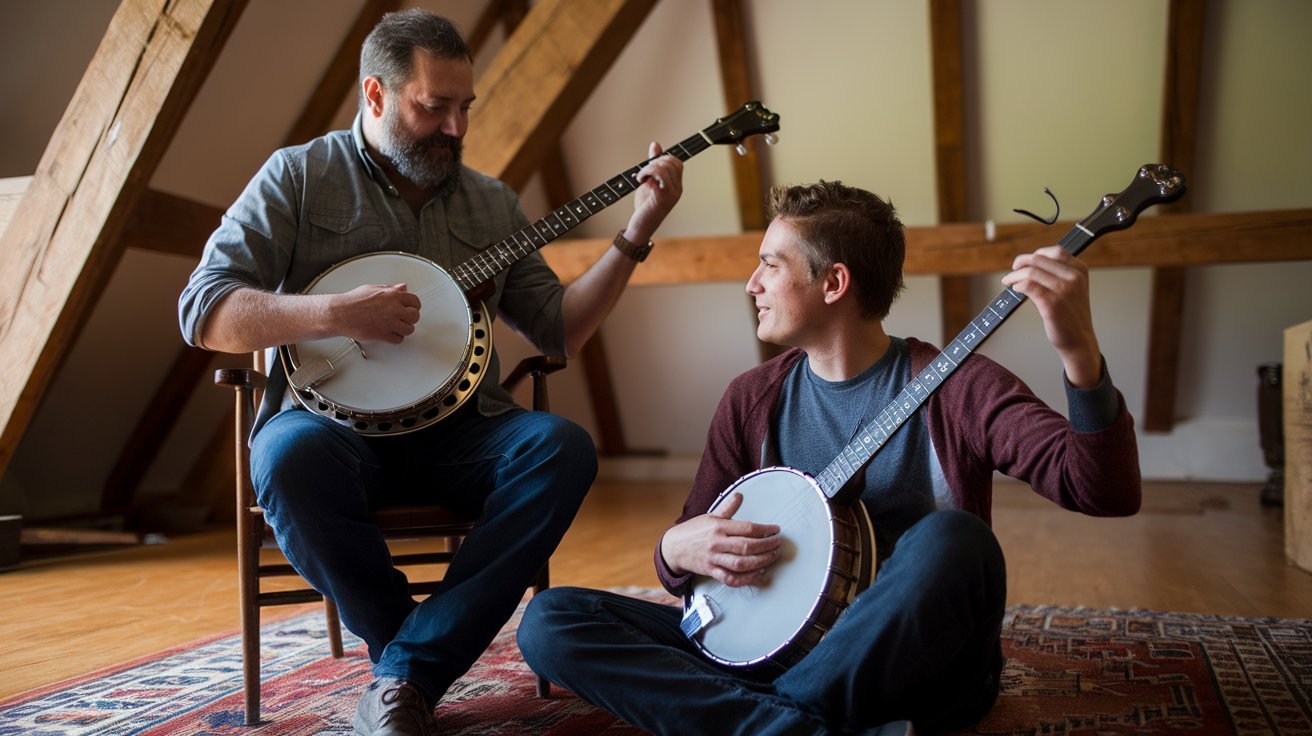
Learning the banjo can be an exciting way to enter the world of bluegrass, folk, country, old-time, Americana, and roots music. In 2026, beginners have more options than ever for finding banjo lessons, from private teachers and group classes to structured online courses, video tutorials, books, and self-paced programs. The most effective approach is not necessarily the one with the most information; it is the one that gives us a clear progression from holding the instrument and tuning it to playing recognizable songs with reliable rhythm.
For a beginner, the five-string banjo is a natural starting point for bluegrass and many traditional American styles. Standard open-G tuning is gDGBD, with the short fifth string creating one of the instrument’s most recognizable characteristics. Beginner programs commonly introduce tuning, picking-hand position, fingerpicks, basic chords, rolls, and simple songs before progressing toward more advanced techniques.
What Do We Learn in Banjo Lessons?
A good set of banjo lessons should build skills in a logical order rather than immediately asking beginners to memorize complicated songs. We normally begin by becoming familiar with the instrument, including the head, rim, neck, frets, nut, bridge, strings, and short fifth string. Correct posture and hand positioning also matter because inefficient technique can make later playing unnecessarily difficult.
Tuning comes next. For a standard five-string bluegrass setup, open G tuning is commonly used. Once the instrument is properly tuned, beginners can concentrate on rhythm and picking instead of fighting an incorrectly tuned instrument. A tuner, either dedicated or available through a phone application, can make this process considerably easier.
The picking hand then becomes the main focus. Beginners may learn how to use a thumb pick and two finger picks, how to anchor the picking hand, and how to produce consistent notes. From there, lessons often introduce simple rolls, pinches, chord changes, slides, hammer-ons, and pull-offs. These techniques form the foundation for more recognizable banjo arrangements.
Choosing the Right Banjo Style for 2026
Before choosing a course or teacher, we should decide what kind of banjo music we want to play. Bluegrass banjo is strongly associated with three-finger picking and the influential approach developed by Earl Scruggs. It emphasizes rolls, rhythmic drive, backup patterns, melodic passages, and rapid combinations of picking-hand movements.
Clawhammer or old-time banjo follows a different approach. Instead of concentrating on the same three-finger roll vocabulary used in Scruggs-style bluegrass, clawhammer uses a distinctive down-picking technique and is particularly effective for traditional old-time music.
Neither style is universally “better.” The right choice depends on the music we enjoy. Some learners find clawhammer appealing for solo playing and singing, while others are attracted to the energetic sound of bluegrass rolls. Current learner discussions also reflect this distinction, with beginners often choosing between the two styles according to their musical goals.
This decision is important because a banjo teacher or online course should match the style we actually want to play. Choosing a bluegrass-focused course when our primary goal is old-time clawhammer can create unnecessary confusion.
The Most Important Beginner Banjo Techniques
One of the first major milestones in banjo lessons is learning the basic roll. Rolls are repeating picking patterns that help create the continuous rhythmic texture associated with bluegrass banjo. A forward roll is a common starting point, followed by alternating-thumb and forward-reverse patterns. Beginner courses frequently use slow repetition and gradually increase speed after accuracy becomes comfortable.
Chords are equally important. Beginners commonly work with G, C, and D7 before expanding their chord vocabulary. Because the five-string banjo is often played in open G, the G chord can be particularly approachable at the beginning. We then practice changing between chords while maintaining a steady picking pattern.
Left-hand techniques add musical expression. Hammer-ons, pull-offs, slides, and other embellishments can transform simple notes into recognizable banjo phrases. These techniques should initially be practiced slowly, with attention to clean sound rather than speed. Beginner methods from established instructional publishers commonly introduce these skills alongside tuning, setup, chord diagrams, rolls, and backup patterns.
Timing should never be overlooked. A metronome or backing track can help us develop a dependable internal pulse. Once a roll is comfortable by itself, practicing it against a steady rhythm makes the transition toward actual songs much easier.
Online Banjo Lessons vs. Private Teachers
In 2026, online banjo lessons offer a convenient way to learn without living near a banjo teacher. Structured courses can provide dozens of lessons covering everything from tuning to complete songs. One current beginner five-string course, for example, includes more than 100 lectures covering fundamentals, rolls, chords, backup, tuning, and song material.
Online learning is particularly useful when we want to practice at our own speed. Videos can be paused, slowed down, and repeated, allowing us to isolate a difficult movement. Free resources are also available, including beginner courses covering the instrument’s parts, right-hand technique, tuning, and first rolls.
A private banjo teacher, however, offers an important advantage: immediate feedback. A teacher can notice an inefficient hand position, incorrect picking movement, poor timing, or unnecessary tension that may be difficult to recognize from a video.
Group classes provide another option. For example, beginner five-string banjo courses offered in 2026 can cover right-hand rolls, left-hand techniques, chord shapes, slides, hammer-ons, pull-offs, songs, and traditional banjo vocabulary in a structured classroom environment.
The best option is therefore the one that fits our learning style, schedule, budget, and musical objectives.
How to Practice Banjo Effectively
Consistent practice is more valuable than occasional marathon sessions. A beginner can divide a practice session into several focused sections: tuning, warm-up, rolls, chord changes, technique, and songs.
During the first few minutes, we should make sure the banjo is correctly tuned. Next, we can practice a basic roll slowly with a metronome. The goal should be even notes and relaxed movement rather than maximum speed.
Chord changes can then be practiced independently before combining them with rolls. Once the hands become comfortable, we can work on a simple song. This approach gives practice a clear purpose and helps prevent repetitive exercises from becoming frustrating.
Backing tracks are especially useful because they teach us to maintain timing while something else is happening musically. Some current beginner programs specifically combine rolls with backing tracks and progressively increase tempo.
We should also record ourselves occasionally. Listening back can reveal timing problems, uneven rolls, excessive string noise, or tension that we may not notice while playing.
What Equipment Do Beginners Need?
We do not need a huge collection of accessories to begin banjo lessons. The most important requirement is a playable five-string banjo appropriate to the style we want to learn.
A tuner is extremely useful because proper tuning should become part of our normal routine. A strap can make the instrument easier to hold, while a thumb pick and two finger picks are commonly used for three-finger bluegrass technique. Beginner instructional programs regularly recommend these basic accessories.
A metronome is another inexpensive but valuable tool. We can also use a music stand, notebook, recording device, or tablet for lessons and practice material. The important point is to avoid spending heavily on equipment before developing a consistent playing habit.
The banjo itself should be properly set up. A poorly adjusted instrument can make learning unnecessarily difficult, so beginners purchasing a used instrument should consider having it checked by an experienced banjo technician or reputable dealer.
How Long Does It Take to Learn Banjo?
There is no single timeline for learning the banjo because progress depends on practice frequency, musical background, coordination, teaching quality, and personal goals. A complete beginner can learn basic tuning, chords, picking patterns, and simple musical phrases relatively early, while fluent improvisation and high-speed bluegrass playing require considerably more practice.
The first goal should not be becoming fast. It should be becoming consistent.
A learner who practices a small number of techniques carefully can build a stronger foundation than someone who rushes through dozens of lessons without mastering the fundamentals. Once basic rolls, chords, timing, and left-hand movements become reliable, learning complete songs becomes much more enjoyable.
Best Approach to Banjo Lessons in 2026
The most effective banjo lessons in 2026 combine structure with flexibility. We can begin with the five-string banjo, learn open-G tuning, develop correct hand positioning, practice fundamental rolls, learn several chords, and then apply those skills to recognizable songs.
From there, we can specialize in Scruggs-style bluegrass, clawhammer, melodic playing, old-time music, folk, country, or another preferred style. Free videos can provide an accessible starting point, while structured courses, books, group classes, and private teachers can provide deeper guidance. Current beginner resources consistently emphasize fundamentals such as tuning, picking-hand technique, rolls, chords, and practical songs.
The key is regular, focused practice. Instead of trying to master everything at once, we should develop one skill, apply it musically, and then add the next. With the right instrument, a clear learning path, patient practice, and useful feedback, the banjo becomes far less intimidating and considerably more rewarding.
For anyone beginning in 2026, the ideal first milestone is simple: tune the banjo, learn a basic roll, add a few chords, keep a steady beat, and play the first recognizable song. From that point, every new technique becomes another step toward becoming a confident banjo player.

Mega Man X Flame Mammoth Sub Tank remains one of the most influential action-platform games of its era, and its exploration-focused level design is a major reason it continues to attract players. Among the game’s most useful upgrades are Sub Tanks, optional containers that store extra health for later use. Finding them can make difficult stages and boss battles considerably easier.
One frequently searched item is the Flame Mammoth Sub Tank. In the original Mega Man X, this Sub Tank is located in Flame Mammoth’s stage and can be reached by using the stage’s environmental layout and the appropriate mobility upgrades. Knowing its exact location and the conditions required to reach it can save considerable time, especially during a first playthrough.
What Is the Flame Mammoth Sub Tank in Mega Man X?
The Flame Mammoth Sub Tank is one of the four Sub Tanks hidden throughout the original Mega Man X. Sub Tanks function as reserve health containers. Once a Sub Tank has stored energy, we can activate it when X’s health is low to restore a portion of his health.
Unlike ordinary health pickups, Sub Tanks provide a way to save excess health for later. This makes them particularly valuable before challenging sections or boss encounters.
The Flame Mammoth Sub Tank is especially notable because reaching it requires us to pay attention to the stage’s environmental conditions. The level contains lava and industrial hazards, so simply moving forward without exploring can cause us to miss useful upgrades.
The original game’s design encourages players to revisit stages after obtaining new abilities. This is an important part of the Mega Man X progression system.
Where Is the Flame Mammoth Sub Tank Located?
The Flame Mammoth Sub Tank can be found in the Flame Mammoth stage. The key to reaching it is understanding the stage’s changing environmental conditions.
In particular, the lava-related section can be affected by the outcome of Chill Penguin’s stage. Defeating Chill Penguin causes environmental changes that make certain areas of Flame Mammoth’s stage more accessible.
This is one of the clever interconnected features of Mega Man X. Rather than treating each Maverick stage as completely independent, the game allows actions in one stage to influence another.
When the relevant environmental change has occurred, we can progress through Flame Mammoth’s level and reach areas that would otherwise be inaccessible or significantly more difficult.
Because the Sub Tank is hidden rather than placed directly along the main route, exploration is essential.
How to Reach the Flame Mammoth Sub Tank
The easiest approach is to tackle the stages in an order that gives us the necessary advantages.
Step 1: Complete Chill Penguin’s Stage
First, defeat Chill Penguin. This changes the environmental conditions in Flame Mammoth’s stage and removes a major obstacle associated with the lava.
This is not merely a convenience. The altered stage environment is an example of how the game rewards us for exploring the Maverick stages in a thoughtful order.
Step 2: Enter Flame Mammoth’s Stage
Once the environmental change has occurred, enter Flame Mammoth’s stage.
Move through the stage normally while watching for areas that contain unusual platforms, passages, or elevated routes.
Step 3: Explore Above the Main Path
The Sub Tank is located in an area that requires us to leave the straightforward route. We need to use X’s mobility abilities to reach the appropriate elevated section.
The Dash Boots are particularly useful for improving movement and reaching difficult platforms. Players should also pay attention to the stage’s walls and ceilings because Mega Man X frequently hides collectibles in places that are not obvious from the main path.
Step 4: Collect the Sub Tank
After reaching the appropriate area, the Sub Tank can be collected. Once acquired, it becomes permanently available in X’s inventory for that playthrough.
The important point is that we do not need to fill the Sub Tank immediately. Its purpose is to store excess health that can later be converted into healing.
Why the Flame Mammoth Sub Tank Is Important
The Sub Tank may seem optional, but collecting it can make the overall game substantially easier.
A fully charged Sub Tank provides an additional source of health recovery. This is particularly useful during difficult Maverick fights, Sigma stages, and sections with limited opportunities to recover health.
Instead of wasting excess health pickups, we can allow the Sub Tank to absorb surplus energy. Once it is sufficiently charged, we can save that energy for a situation in which we genuinely need it.
This makes Sub Tanks especially useful for players attempting to complete the game without relying heavily on repeated retries.
Collecting multiple Sub Tanks also increases our overall flexibility. A player who enters a difficult boss encounter with several fully charged Sub Tanks has considerably more room for mistakes than a player who enters with only X’s normal health bar.
Flame Mammoth Stage Tips for Finding the Sub Tank
The Flame Mammoth stage contains several hazards that can distract us from exploration. Keeping a few principles in mind makes the search easier.
Explore alternative paths. If a section appears to contain an unusually high platform or suspicious empty space, investigate it instead of automatically continuing.
Use mobility abilities. The Dash Boots can make certain jumps easier and provide greater control over X’s movement.
Pay attention to environmental changes. The interaction between Chill Penguin’s stage and Flame Mammoth’s stage is important. If the stage does not appear to be in the expected condition, completing Chill Penguin’s stage may be the solution.
Do not rush. The Sub Tank is an optional collectible, so there is little benefit to racing through the area while ignoring possible routes.
Return later if necessary. Mega Man X is designed around revisiting areas with abilities obtained from later stages. If a collectible appears inaccessible, it may be better to return after obtaining another upgrade rather than repeatedly attempting an impractical route.
How Sub Tanks Work in Mega Man X
Understanding the Sub Tank system is just as important as finding the containers.
When X’s health is full, certain health pickups can contribute energy to a Sub Tank rather than being wasted. The stored energy accumulates until the Sub Tank is full.
When we need additional health, we can activate the corresponding Sub Tank from the game’s menu. The stored energy is then converted into health.
This creates an important resource-management strategy. Before a difficult boss, we can deliberately search for health pickups and charge our Sub Tanks. That preparation can provide a significant advantage.
Sub Tanks are therefore not simply collectibles. They are strategic resources that reward players who explore and prepare.
Flame Mammoth Sub Tank and the Game’s Exploration Design
The Flame Mammoth Sub Tank illustrates one of the defining characteristics of Mega Man X: progression through exploration.
The game does not always tell us exactly where every upgrade is located. Instead, we are encouraged to experiment with movement, revisit stages, and observe how defeating certain Mavericks affects the environment.
This approach makes collectibles feel meaningful. Finding a Sub Tank is not just a matter of following a marker; it is a small puzzle involving environmental awareness and knowledge of X’s abilities.
The connection between Chill Penguin’s stage and Flame Mammoth’s stage is especially memorable because it demonstrates that the game’s world has consequences. Defeating a boss can change conditions elsewhere, encouraging players to think about stage order rather than treating every level as an isolated challenge.
Other Useful Upgrades to Look For in Mega Man X
While searching for the Flame Mammoth Sub Tank, we should also keep an eye out for the game’s other permanent upgrades.
These include:
- Heart Tanks, which increase X’s maximum health.
- Sub Tanks, which store reserve health.
- Armor upgrades, which improve X’s capabilities.
- Hadouken, a secret ability available under specific conditions.
Collecting these upgrades can dramatically improve survivability during the later portions of the game.
For players attempting a complete or near-complete playthrough, gathering upgrades is particularly rewarding because the difficulty of the final stages can make every additional resource valuable.
Final Thoughts on the Mega Man X Flame Mammoth Sub Tank
The Mega Man X Flame Mammoth Sub Tank is one of the most useful optional upgrades in the original Mega Man X. Finding it requires more than simply following the main route because the stage rewards exploration and awareness of environmental changes.
The most important preparation is defeating Chill Penguin, which changes conditions in Flame Mammoth’s stage. From there, we can explore the stage’s alternative routes and use X’s mobility abilities to reach the hidden collectible.
Once obtained, the Sub Tank provides a valuable reserve of health that can be saved for difficult Maverick battles and later stages.
For anyone playing Mega Man X in 2026, collecting the Flame Mammoth Sub Tank remains a worthwhile objective. It demonstrates the game’s excellent balance between action, exploration, environmental interaction, and resource management, which continues to make the classic title enjoyable for both longtime fans and newcomers.

Boom Cards: What They Are, How They Work, Benefits, and How to Use Them

Newgrange Ireland Location: Complete Visitor Guide for 2026

Naples Pier: Complete Visitor Guide for 2026

Orgasamtrix: Understanding the Term, Online Presence, Safety Concerns, and What Users Should Know

Duff Badgley: The Private Life, Family Legacy, and Influence Behind the Badgley Name

Who Is Cole Maness? Everything About Erika Christensen’s husband
 Health4 months ago
Orgasamtrix: Understanding the Term, Online Presence, Safety Concerns, and What Users Should Know
- Celebrity4 months ago
Duff Badgley: The Private Life, Family Legacy, and Influence Behind the Badgley Name
- Celebrity4 months ago
Who Is Cole Maness? Everything About Erika Christensen’s husband
- Business4 months ago
Seekde: Complete Guide, Meaning, Features, Benefits, and Everything You Need to Know
- Celebrity4 months ago
Who Is Amy Sherrill? The Untold Story of Tim Duncan’s Former Wife
- Business4 months ago
Stay Always Updated with TXEPC: The Complete 2026 Guide to Real-Time Information, Digital Insights
- ThriftyEvents4 months ago
Get Blog ThriftyEvents.net: The Complete 2026 Guide to Budget Event Planning, DIY Party Ideas, and Smart Celebration Tips
- Sports4 months ago
Sam Houston vs Texas: Complete Rivalry Guide, History, Match Analysis, Key Players, and Future Outlook