Blog
Naples Pier: Complete Visitor Guide for 2026


Naples Pier is one of the most recognizable landmarks in Naples, Florida, known for its beautiful Gulf of Mexico coastline, spectacular sunsets, sandy beaches, and rich local history. Located at the western end of 12th Avenue South, this historic destination has attracted visitors who want to enjoy coastal scenery, photograph wildlife, and experience the charm of Old Naples.
However, visitors planning a trip in 2026 should know that Naples Pier is currently closed for reconstruction following extensive damage from Hurricane Ian in 2022. The beach near the pier remains accessible through designated access points, making the surrounding area a worthwhile destination for sunset views and a relaxing walk along the shore.
What Is Naples Pier Famous For?
Naples Pier is a historic waterfront landmark in Southwest Florida. Originally built in 1888, it served as a dock for passengers and freight before becoming a popular place for sightseeing, fishing, and enjoying the ocean. Over time, the pier developed into a symbol of Naples and an important attraction for residents and tourists.
The area is especially famous for its west-facing views across the Gulf of Mexico. On clear evenings, the sky can turn shades of orange, pink, purple, and gold as the sun approaches the horizon. Even while the pier itself is closed, the nearby beach offers opportunities to photograph sunsets, watch seabirds, and enjoy the peaceful coastal atmosphere.
For travelers exploring Naples, this destination also provides convenient access to the historic downtown area, including local restaurants, boutique shops, and the popular streets of Old Naples. Combining a beach visit with a downtown stroll can make for an enjoyable afternoon or evening.
Is Naples Pier Open in 2026?
One of the most important questions travelers ask is whether Naples Pier is open in 2026. According to the City of Naples, the pier is currently closed while a major reconstruction project is underway. Construction began in January 2026 after Hurricane Ian caused severe structural damage in September 2022.
The city is rebuilding the structure to improve its durability while preserving its historic character. The overall project is expected to take approximately 18 months, although visitors should check official city updates for the latest progress and reopening information. During construction, visitors must not enter the restricted pier area or attempt to access closed facilities.
The good news is that the beach near Naples Pier remains accessible through designated pedestrian access points. Broad Avenue South and 13th Avenue South are useful alternatives, with restrooms available nearby according to the city’s project information.
Best Things to Do Near Naples Pier
Even though the pier itself is closed, there are several enjoyable activities near Naples Pier in Florida. Visitors can relax on the sand, take photographs of the coastline, collect permitted empty seashells, observe coastal birds, and enjoy the beautiful colors of the sunset. Always follow local wildlife protection rules and leave living marine animals undisturbed.
Another popular activity is visiting nearby beach parks. Lowdermilk Park offers a public beach, picnic facilities, showers, restrooms, and a family-friendly setting. It is a practical alternative for travelers who want to spend several hours by the water without relying on access to the closed pier.
For shopping and dining, explore Fifth Avenue South or Third Street South in Old Naples. These districts feature boutiques, restaurants, and attractive streets that pair well with a beach outing. A simple itinerary could include an afternoon walk, dinner downtown, and a sunset visit to an open beach access point.
Best Time to Visit Naples Pier for Sunset Views
Sunset is one of the biggest attractions in Naples, Florida, because the city’s Gulf-facing beaches offer wide views of the western horizon. The best time to arrive is generally around 30–45 minutes before sunset, giving you time to find a comfortable place on the sand, take photographs, and watch the sky change colors.
During the winter months, sunset occurs earlier, while summer evenings generally provide more daylight. Exact times change throughout the year, so check a local sunset forecast before leaving. Weekends and peak tourist season can be busy, particularly near popular beach access points.
For a better experience, bring drinking water, sunscreen, a camera or smartphone, and a light layer for the evening breeze. Keep valuables secure and check the weather forecast before traveling. Remember that the pier itself remains closed during reconstruction, so plan your sunset visit around the accessible beach rather than expecting to walk onto the historic structure.
Naples Pier Parking, Location, and Visitor Tips
The official address of Naples Pier is 25 12th Avenue South, Naples, Florida 34102. The landmark is located near Old Naples, making it convenient to combine a beach visit with local shopping and dining. However, construction has changed the usual access arrangements, so visitors should plan their route carefully.
Parking in the City of Naples beach areas generally requires payment at designated spaces or an eligible beach parking permit. During reconstruction, public parking near the pier is limited, and some areas are reserved for construction activities. Read all posted signs before leaving your vehicle, as parking restrictions are enforced year-round.
For the most convenient experience, consider using an open beach access point such as Broad Avenue South or 13th Avenue South. Check the official city’s beach access updates before departure, because nearby construction and weather conditions can affect access. If you need accessible beach entry, verify which facilities are currently available rather than assuming that the pier’s usual amenities are operating.
Frequently Asked Questions About Naples Pier
Is Naples Pier free to visit?
Historically, Naples Pier has been a popular public attraction, but the pier itself is currently closed for reconstruction. The nearby beach can still be visited through designated open access points, although parking fees may apply.
When will Naples Pier reopen?
The reconstruction began in January 2026, and tourism information has indicated a possible reopening around mid-2027. However, this is an anticipated timeframe rather than a guarantee.
Can you watch the sunset near Naples Pier?
Yes. Although visitors cannot enter the closed pier, the accessible beach nearby remains a good place to enjoy sunset views over the Gulf of Mexico. Use an open beach entrance and stay clear of construction barriers.
Is Naples Pier suitable for families?
The surrounding Naples beach area can be suitable for families who enjoy sand, coastal scenery, and outdoor activities. Parents should supervise children near the water, observe posted swimming warnings, and choose accessible beach areas with suitable facilities.
Conclusion: Is Naples Pier Worth Visiting in 2026?
Naples Pier remains an important landmark in Naples, Florida, celebrated for its history, Gulf Coast scenery, and memorable sunsets. Although the pier is closed during its reconstruction, the surrounding coastline and nearby attractions still offer worthwhile experiences for visitors.
For the best trip, check the latest construction updates, choose an open beach access point, confirm parking arrangements, and plan your visit around the sunset if you enjoy photography and coastal walks. By preparing ahead, you can still experience the beauty of Naples Beach while the historic pier is being rebuilt for future generations.

Boom Cards have become a popular digital learning resource for teachers, parents, therapists, and students who want to make education more interactive and enjoyable. These digital activities turn traditional flashcards and classroom exercises into engaging online learning experiences that students can complete using computers, tablets, or smartphones.
Whether you are a teacher looking for interactive classroom activities, a parent searching for educational resources, or a student who enjoys learning through games, Boom Cards offer a flexible learning experience. They cover subjects such as mathematics, reading, spelling, science, speech therapy, and social-emotional learning. This guide explains what Boom Cards are, how they work, their benefits, pricing considerations, and how to get started.
1. What Are Boom Cards?
Boom Cards are interactive digital task cards available through the Boom Learning platform. They are designed to help students practice educational skills through questions, activities, games, audio, images, and interactive exercises.
Unlike traditional paper flashcards, Boom Cards allow students to click, drag, listen, type, and select answers directly on their devices. Many activities also provide instant feedback, helping learners understand whether their answers are correct.
Each collection of activities is called a deck. Teachers can purchase ready-made decks from the Boom Store or create their own activities using Boom Studio.
2. How Do Boom Cards Work?
Boom Cards work through an online platform where teachers can find educational activities, organize digital decks, and share them with students. Students open their assigned activities through a supported browser or compatible application.
When students answer questions, many decks automatically check their responses and provide immediate feedback. Teachers can also review available performance reports to understand student progress and identify areas that need additional attention.
For example, a teacher teaching multiplication can assign a deck containing 20 questions. Students select their answers, receive feedback, and practice the mathematical skills they have learned in class.
3. Main Features of Boom Cards
Boom Learning offers several features designed to make digital education easier for teachers and more engaging for students. These tools support classroom instruction, independent practice, and personalized learning.
Some of the most useful features include:
- Interactive Activities: Students can click, drag, type, and interact with different learning elements.
- Instant Feedback: Self-checking decks tell students whether their answers are correct or incorrect.
- Progress Reports: Teachers can review available student performance data.
- Custom Activities: Educators can create their own digital learning decks.
- Audio Support: Some activities include spoken instructions, sounds, and recorded content.
- Flexible Access: Students can use supported computers, tablets, and smartphones.
These features make Boom Cards useful for different teaching environments. Teachers can select activities according to students’ abilities and educational goals.
4. Benefits of Using Boom Cards for Students
One of the biggest advantages of Boom Cards is that they make learning more interactive. Instead of only reading information or completing paper worksheets, students participate directly in activities that encourage active learning.
Another benefit is immediate feedback. Students can identify mistakes while completing an activity rather than waiting for a teacher to grade their work. This can help them understand concepts and repeat exercises when additional practice is needed.
Boom Cards can also support independent learning. Students can complete assigned decks at their own pace, while teachers use available reports to monitor progress and identify learning difficulties.
5. How Teachers Can Use Boom Cards in the Classroom
Teachers can use Boom Cards for different subjects, grade levels, and learning objectives. They are particularly useful for warm-up exercises, classroom centers, homework, revision activities, and individual skill practice.
For example, an elementary school teacher might create a reading deck with pictures and vocabulary questions. Students can identify objects, match words with images, and practice spelling through interactive exercises.
Math teachers can use digital decks for addition, subtraction, multiplication, fractions, and number recognition. Speech therapists can also use specialized activities to practice pronunciation, vocabulary, articulation, and language development.
6. How to Get Started With Boom Cards
Getting started with Boom Cards is relatively straightforward. Teachers can create an account, explore the available activities, and choose suitable learning materials for their students.
Follow these steps to begin:
- Visit the official website at https://www.boomlearning.com/.
- Select the option to join or create an account.
- Register using the available account setup options.
- Explore the Boom Store to find educational decks.
- Choose activities that match your students’ learning needs.
- Create a classroom or student group if required.
- Assign activities or share them using an available sharing method.
Once students receive access, they can open their activities and begin practicing. Teachers can review performance information when using a sharing method and account plan that supports reporting.
7. Different Ways to Share Boom Cards With Students
Boom Learning provides multiple ways to share activities, depending on whether teachers want independent practice, student progress tracking, or live classroom instruction.
Here are five important sharing methods:
Assignments: Teachers can assign decks directly to individual students or classrooms. This method is particularly useful for tracking performance, monitoring progress, and collecting educational data.
Fast Pins: Fast Pins provide a shareable link that students can use without signing in to a Boom account. They are useful for quick practice, homework, and classroom activities, but they do not provide student progress reports.
HyperPlay: HyperPlay creates a shareable link that requires students to sign in. It can be useful for learning management systems such as Google Classroom and Canvas.
Presentation Mode: Teachers can display activities during whole-class instruction or guided practice. Depending on the available features, session data can also be collected and saved.
Boom Live: This feature allows teachers and students to interact with the same deck in real time. It can be useful for small-group instruction, therapy sessions, and collaborative learning.
Choosing the right sharing method depends on your teaching goals. For progress tracking, direct assignments are a strong option, while Fast Pins are convenient when students need quick access without creating accounts.
8. Are Boom Cards Free or Paid?
Boom Learning offers different membership options, and the features available depend on the selected plan. Users can create accounts and explore the platform, while certain advanced features and usage limits vary between membership levels.
It is important to understand that a Boom Learning membership and Boom Cards are not exactly the same thing. Memberships provide access to platform features, while individual decks may need to be purchased separately or created by educators.
Some ready-made activities are available at different prices, and educators can also create their own decks. Before choosing a plan, review the official membership information to understand student limits, classroom features, creation tools, and reporting options.
9. Boom Cards for Special Education and Speech Therapy
Boom Cards can be particularly helpful for special education teachers and speech-language professionals. Interactive activities allow educators to adapt learning materials to individual student needs and provide repeated practice in a structured format.
For example, a speech therapist may use an articulation deck to help a student practice specific sounds. Another activity might teach vocabulary by asking students to identify pictures, listen to words, or follow simple instructions.
Teachers can also use suitable decks to support communication, reading comprehension, social-emotional learning, and individualized educational goals. The platform’s available reporting features can help professionals review performance and monitor progress over time.
10. Boom Cards vs. Traditional Flashcards
Traditional flashcards are useful educational tools, but digital activities offer additional interactive features. Understanding the differences can help teachers and parents decide which format works best for their learners.
| Feature | Boom Cards | Traditional Flashcards |
|---|---|---|
| Format | Digital | Paper-based |
| Interaction | Click, drag, type, listen | Physical handling |
| Feedback | Available in self-checking decks | Usually teacher-provided |
| Progress Tracking | Available with supported methods | Manual tracking |
| Accessibility | Supported digital devices | Physical cards |
| Customization | Digital deck creation | Manual preparation |
Both formats can support effective learning. Traditional flashcards remain useful for hands-on practice, while Boom Cards provide convenient digital activities and automated feedback.
11. Tips for Getting Better Results With Boom Cards
Using digital activities effectively requires more than simply assigning a large number of decks. Teachers should choose resources that match the student’s current ability and focus on specific educational goals.
Here are some practical tips:
- Start with simple activities before introducing more difficult questions.
- Choose decks that match the subject and grade level.
- Use short sessions to keep students focused.
- Review available reports to identify learning gaps.
- Repeat activities when students need additional practice.
- Combine digital exercises with classroom discussions and hands-on learning.
For example, after teaching fractions, a teacher can assign a short fraction deck and review the results. Students who struggle can receive additional practice, while students who understand the concept can move to more challenging activities.
Frequently Asked Questions (FAQs)
1. What are Boom Cards used for?
Boom Cards are used for interactive educational activities, digital flashcards, quizzes, and skill practice. Teachers and therapists use them for subjects such as reading, mathematics, science, speech therapy, and special education.
2. Are Boom Cards free to use?
Boom Learning offers free account access with limitations, as well as paid membership options. Some individual decks are also sold separately, so costs depend on the activities and features you need.
3. Can students use Boom Cards on mobile devices?
Yes. Students can access Boom Cards through supported web browsers and compatible applications on devices such as smartphones and tablets.
4. Do Boom Cards automatically grade student answers?
Many Boom Cards decks are self-checking and provide immediate feedback. Teachers can also access reports when using supported assignment and account features.
5. Can teachers create their own Boom Cards?
Yes. Teachers can use Boom Studio to create customized digital activities. They can include questions, images, audio, video, and interactive elements.
6. Do students need an account to play Boom Cards?
Not always. Students can use Fast Pins to access certain activities without signing in. Other methods, including direct assignments, require student accounts.
7. Are Boom Cards useful for special education?
Yes. Educators can use suitable interactive decks to support individualized learning, communication, vocabulary, reading, and other educational goals.
8. Can Boom Cards be used for online teaching?
Yes. Teachers can share activities remotely through assignments, Fast Pins, HyperPlay, and other available methods. Boom Live also supports real-time collaborative instruction.
Conclusion
Boom Cards provide an interactive way to make digital learning more engaging and accessible. Their self-checking activities, customizable decks, and student progress features can help teachers create useful learning experiences for different ages and educational needs.
Whether you are a teacher, parent, student, or therapist, Boom Learning offers several ways to explore digital educational resources. Start by choosing appropriate activities, selecting the right sharing method, and using student feedback to improve learning outcomes.
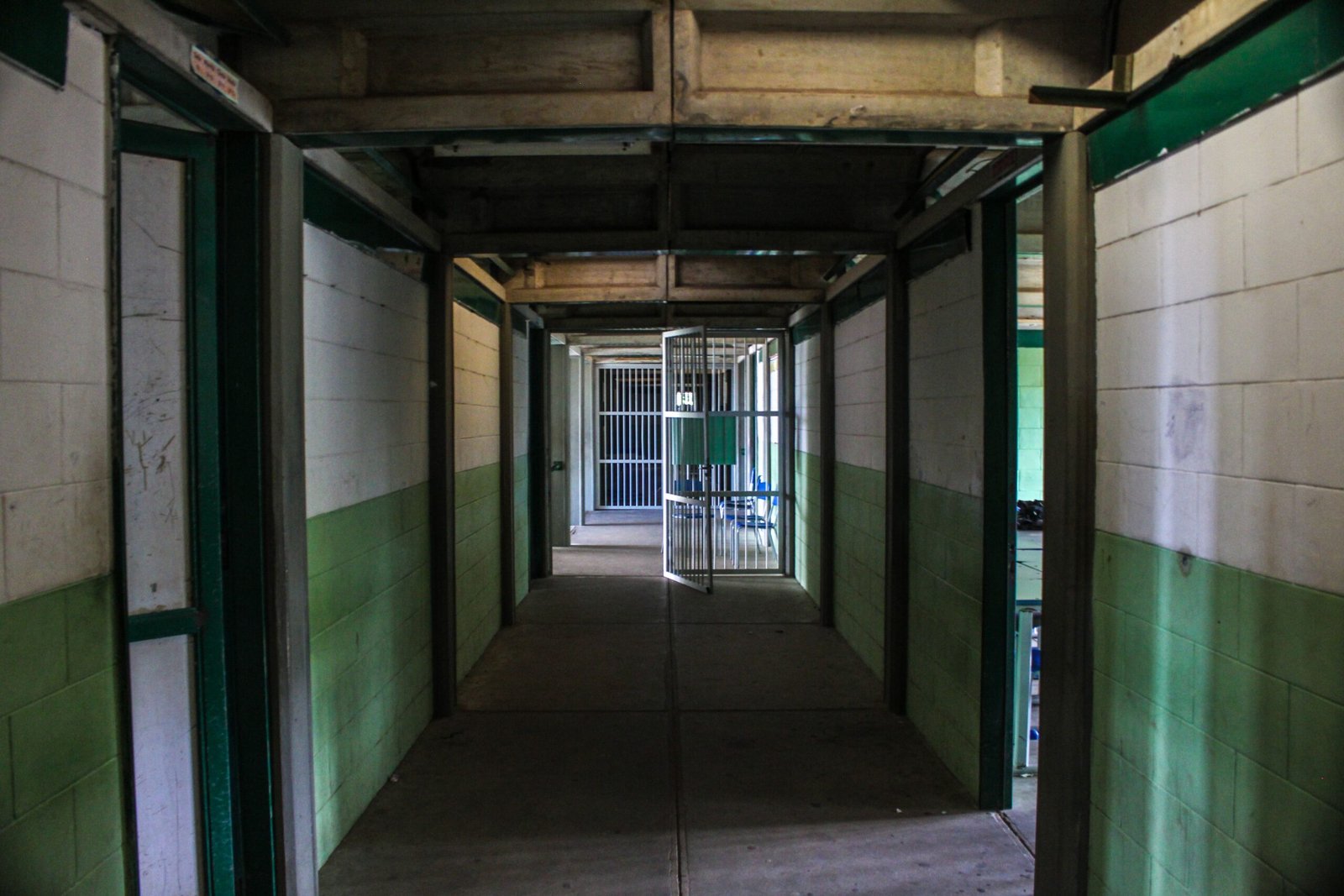
The Oakland County Jail is a county detention facility operated by the Oakland County Sheriff’s Office in Pontiac, Michigan. It serves an important role in the local criminal justice system by housing people in custody, processing new arrests, coordinating inmate services, and supporting court-related procedures. People searching for Oakland County Jail information are often looking for an inmate, trying to understand visitation rules, checking bond procedures, or finding official contact details.
In 2026, the most reliable way to obtain jail-related information is through the official Oakland County government website and the county’s authorized inmate locator. These resources can help families, legal representatives, and members of the public find information about custody, visits, communication, and records. However, jail information can change, and online records may not always reflect the latest developments. This guide explains how to search for an inmate, contact the facility, arrange a visit, and understand important procedures using official sources.
What Is Oakland County Jail?
The Oakland County Jail is located in Pontiac, Michigan, and is managed by the Oakland County Sheriff’s Office. The county’s corrections operations include the main jail and related facilities and services. The facility is responsible for booking and supervising people in custody while supporting essential functions such as meals, medical care, recreation, visitation, and appropriate programs.
The main jail is at 1201 North Telegraph Road, Pontiac, MI 48341. The county’s inmate information page also lists a general jail contact address at 1200 North Telegraph Road, Building 38E. Because different departments may use different building or mailing addresses, confirm the correct destination before travelling or sending correspondence.
The facility’s responsibilities extend beyond secure housing. The Sheriff’s Office describes services that include health care, crisis intervention, counseling referrals, educational support, recreation, and chaplaincy services. These programs form part of the broader effort to maintain safety and manage the needs of people held in custody.
For anyone seeking current information about a particular person, the best starting point is the official county resource rather than an unofficial website. Third-party pages may contain outdated phone numbers, visiting schedules, or custody records.
How to Find an Inmate at Oakland County Jail
The official Oakland County inmate search helps users look for public information about people held in the county jail system. The county provides access through its Inmate Information page and links to the CLEMIS Inmate Locator.
To begin, open the official inmate locator and follow the search instructions displayed on the page. Enter the identifying information requested by the system, such as the person’s name. Check spelling carefully and review any matching entries to ensure that the record belongs to the correct individual. If the person cannot be found, it does not necessarily mean that they are not in custody; booking information may not yet be available, or the search details may not match the record.
The county warns that records can be up to 72 hours out of date, depending on the day of the week. It also states that specific charge or bond information should be confirmed with the court that has jurisdiction. If a record appears incorrect or incomplete, contact the Sheriff’s Office directly rather than relying on an unofficial listing.
Remember that an arrest or detention record is not the same as a criminal conviction. Use public records responsibly, and verify important information before making decisions based on it.
Oakland County Jail Visitation Rules and Schedule
Family members and friends can arrange visits through the jail’s designated video visitation system. According to the official visitation page, visits must be scheduled by appointment, and visitors can use jail kiosks or an inmate tablet for visits. Remote visits may also be available through the authorized service.
The county’s published schedule lists the following general visiting windows:
| Visit type | Published hours |
|---|---|
| Professional visits | Monday–Sunday, 7:15 a.m.–8:30 p.m. |
| Family and friends | Monday–Friday, 1:15 p.m.–8:15 p.m. |
| Family and friends | Saturday–Sunday, 9:15 a.m.–8:15 p.m. |
The jail identifies certain daily periods when visits are prohibited because of operational demands. Scheduling generally opens at least 24 hours in advance and up to two weeks ahead. Visits may be 15 or 30 minutes long, depending on the appointment. Confirm the current schedule before making plans, because operational changes may affect availability.
Visitors must register through the designated service and bring a valid form of identification for an on-site visit. The facility also enforces clothing requirements and other visitation rules. For current instructions and appointment details, consult the official visitation page.
Oakland County Jail Phone Number, Bond, and Inmate Communication
For general jail information, the Oakland County Sheriff’s Office lists 248-858-5000. For inmate information, call 248-858-1800 or email prisonerInfo@oaklandcountymi.gov. These are useful contact options for questions about custody, jail procedures, and official records.
People looking for bond information should contact the court with jurisdiction to confirm the applicable amount and conditions. The county states that the jail’s bonding area operates around the clock and accepts several bond types. Listed payment methods include cash, credit card, cashier’s check payable to the Oakland County Sheriff’s Office, or a bail bondsman. Cash bonds of $10,000 or more are processed through the court with jurisdiction. The jail specifically warns that cryptocurrency is not accepted for inmate bonds. Confirm the current payment requirements before sending money or travelling to the facility.
Inmate phone calls and video visits use Smart Communications. Families can consult SmartInmate or the county’s official information page for account setup, rates, and support. Calls made through the inmate phone system are generally recorded, while attorney calls have specific protections when the required arrangements are made. Do not assume that ordinary calls or messages are private.
Inmate Mail, Records, and Frequently Asked Questions
The county provides procedures for sending approved letters, photographs, and electronic messages. Standard postal mail is routed through its designated mail vendor rather than sent directly to the jail. Legal and business correspondence uses a separate mailing address, so check the official instructions before mailing anything. Packages are not accepted under the published rules, and prohibited items can result in mail being returned or confiscated.
For records requests, the Oakland County Sheriff’s Office Records Unit handles various documents, including incident reports and inmate jail files. Its listed phone number is 248-858-5011, and its public counter is at 1201 North Telegraph Road, Pontiac. The published office hours are Monday through Friday, 8:30 a.m. to 5 p.m., with holiday closures.
How do I look up someone at Oakland County Jail?
Use the official county inmate information page or CLEMIS Inmate Locator. Verify the person’s identity carefully and contact the jail if the information is unclear.
What is the Oakland County Jail phone number?
The general number is 248-858-5000. For prisoner information, call 248-858-1800.
Can I visit an inmate in person?
Visits are appointment-based and use the jail’s designated video visitation system, including facility kiosks and inmate tablets. Check the official visitation page for the current arrangements.
How do I find out an inmate’s bond amount?
Contact the court with jurisdiction for specific bond information and conditions. Do not rely solely on an online inmate listing.
How can I send mail to an inmate?
Follow the mail instructions on the county’s official inmate information page. Standard mail must use the designated mail vendor and include the inmate’s correct name and number.
Conclusion
The Oakland County Jail website is the best starting point for checking inmate information, understanding visitation requirements, confirming bond procedures, and learning how to communicate with someone in custody. Use official county resources to verify details because records and schedules can change. Whether you are searching for an inmate, arranging a visit, or requesting jail records, confirm the correct department and current instructions before taking action.
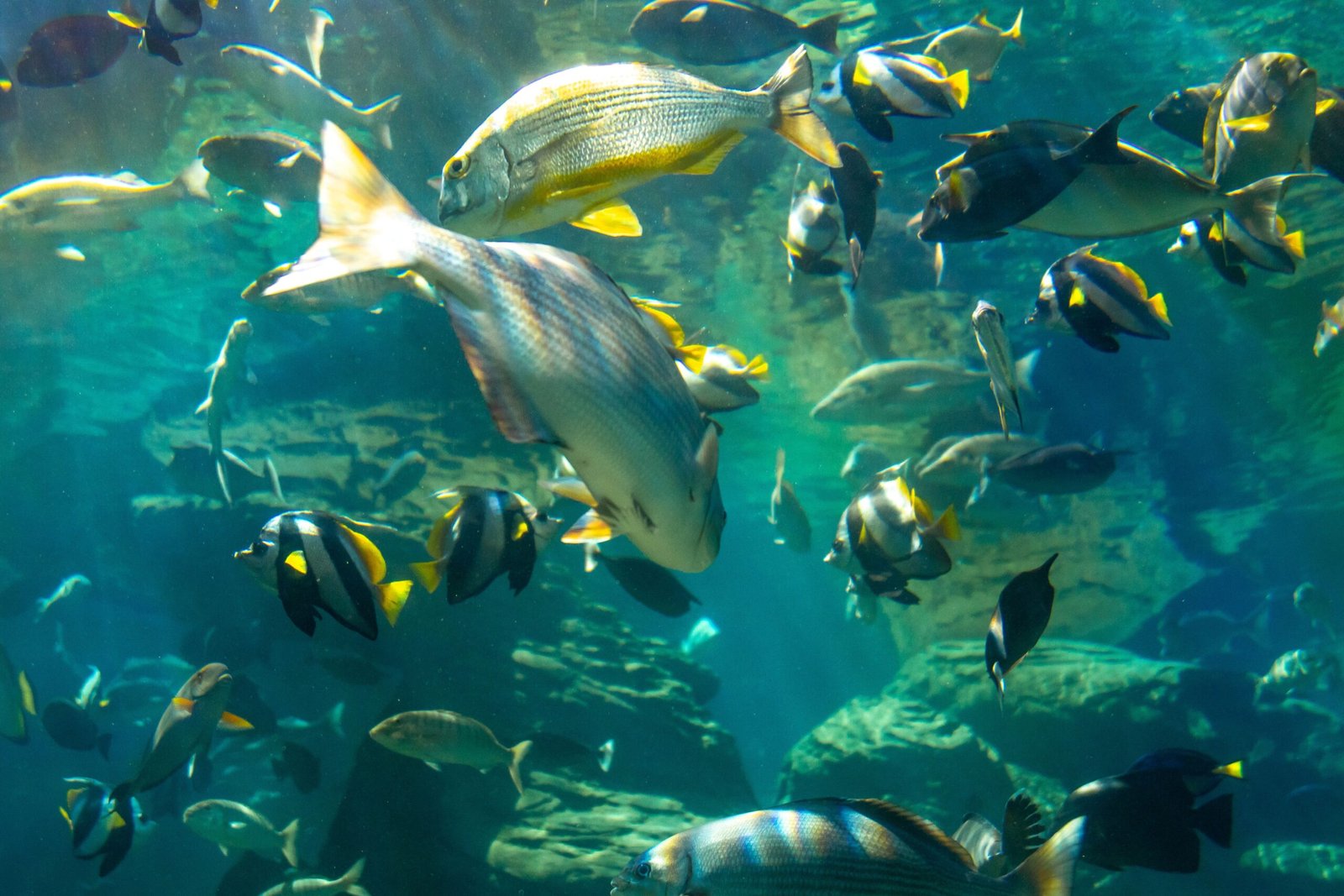
Orlando Sea Life, officially known as SEA LIFE Orlando Aquarium, is a family-friendly attraction located at ICON Park on International Drive in Orlando, Florida. It gives visitors an opportunity to discover fascinating marine animals, explore underwater habitats, and learn more about ocean life in an engaging indoor environment. From sharks and stingrays to sea turtles, seahorses, and colorful reef fish, the aquarium offers an underwater experience for families, couples, school groups, and visitors looking for something different from Orlando’s major theme parks.
In 2026, SEA LIFE Orlando is worth considering for travelers planning a family vacation, a half-day activity, or an educational outing with children. Its standout attraction is Florida’s 360-degree ocean tunnel, which lets guests look around at marine life swimming overhead and on either side. Interactive exhibits, talks, and additional experiences can make the visit more memorable. Before going, it helps to understand ticket options, opening hours, the main exhibits, parking, and how to plan your time. This guide covers the essentials for enjoying Orlando Sea Life in 2026.
What Is Orlando Sea Life Aquarium?
SEA LIFE Orlando Aquarium is an indoor marine attraction at ICON Park, situated at 8449 International Drive, Orlando, Florida 32819. The aquarium features themed areas designed to introduce visitors to different marine environments and species. Its exhibits combine viewing windows, interactive learning opportunities, and close-up encounters that help make ocean education accessible to guests of different ages. The attraction is operated as part of the international SEA LIFE aquarium network.
Unlike a large outdoor theme park, the aquarium offers a mostly indoor experience, making it a useful option when Florida’s weather is rainy or especially hot. Visitors can move through the exhibits at their own pace, stop to observe animals, and read educational information along the way. The experience can appeal to young children discovering marine animals for the first time as well as adults interested in aquatic environments.
SEA LIFE Orlando is also conveniently located within ICON Park, where visitors can explore other entertainment and dining options. Depending on your plans, it can be a standalone attraction or part of a broader day exploring International Drive.
Best Exhibits and Marine Animals at Orlando Sea Life
The aquarium’s most recognizable attraction is the 360-degree Ocean Tunnel, where visitors can watch sharks, rays, and schools of fish swimming around them. It is a great place for photographs and a memorable stop for children who want to see marine animals from a different perspective. General admission includes access to the tunnel, according to the aquarium’s official exhibit information.
Other highlights include the Jelly Wall, colorful reef environments, and the Coastal Rockpool interactive area. At the touchpool, visitors may be able to gently touch certain animals, such as sea stars and anemones, while following staff instructions. The aquarium also features sea turtles, seahorses, and other fascinating species, helping visitors learn how different creatures adapt to their environments.
For a deeper look at animal care, consider the Behind the Scenes Tour, when available. This experience introduces guests to some of the work aquarists do to care for marine life, including preparing food and maintaining habitats. The aquarium may also offer feeding demonstrations, educational talks, and virtual-reality experiences. Availability, schedules, and any additional charges can vary, so check the official website before your visit.
Orlando Sea Life Tickets, Prices, and Opening Hours in 2026
Ticket prices depend on the date, ticket type, promotions, and booking method. The official SEA LIFE Orlando website has advertised online general admission starting around $29 per adult, although prices can change. Families and groups may find promotional offers, while combination tickets can provide access to other ICON Park attractions. Always confirm the total cost and terms for your chosen date before purchasing.
You can review current ticket options on the official SEA LIFE Orlando tickets page. Booking online in advance may provide savings and help you plan around busy periods. Florida residents and eligible military visitors may also find specific offers, subject to the applicable conditions.
Opening hours vary by date, season, holidays, and special events. The aquarium’s official hours page provides the most reliable information for your planned visit. Check the last admission time as well as closing time, because arriving too late may leave you with limited time to explore.
Children can enjoy the aquarium, and the official FAQ states that children under two receive free admission. Some additional experiences have age or height requirements, so review the conditions if you are visiting with young children.
Location, Parking, and Tips for Planning Your Visit
SEA LIFE Orlando Aquarium is located at 8449 International Drive, Orlando, FL 32819, inside the ICON Park complex. It is accessible by car and public transportation, with nearby bus services and the I-Ride Trolley serving the International Drive area.
Parking is available in the ICON Park garage, including free parking on levels 4–7, subject to availability and current parking arrangements. The garage can become busy during peak periods, so allow extra time to park and walk to the entrance.
For a more relaxed experience, allow approximately one to two hours or longer, depending on how much time you spend watching exhibits and attending activities. Some official planning information suggests that many visitors spend around two to three hours. Arriving earlier in the day may also make it easier to explore at your own pace.
Bring a charged phone or camera for photographs, check the day’s activity schedule, and consider combining the aquarium with other nearby attractions. ICON Park also features Madame Tussauds and The Orlando Eye, although attraction availability can change. If you are planning several activities, compare combination-ticket terms carefully before buying.
Frequently Asked Questions About Orlando Sea Life
Is Orlando Sea Life worth visiting?
For families, marine-life enthusiasts, and visitors looking for an indoor activity, SEA LIFE Orlando can be an enjoyable and educational stop. The 360-degree ocean tunnel and interactive exhibits are among its main highlights.
How much are SEA LIFE Orlando tickets in 2026?
Prices vary by date and offer. The official website has advertised general admission starting around $29 per adult online, but check the ticket page for current pricing before booking.
How long should I spend at SEA LIFE Orlando?
Plan for around one to three hours, depending on your pace and whether you attend talks, feeding demonstrations, or additional experiences.
Does Orlando Sea Life have sharks and sea turtles?
Yes. The aquarium features sharks, stingrays, sea turtles, and many other marine animals. Its Ocean Tunnel is a popular place to observe them.
Is parking available at SEA LIFE Orlando?
Yes. ICON Park has a parking garage with free parking typically available on levels 4–7, alongside premium and valet options. Availability may vary during busy periods.
Is SEA LIFE Orlando suitable for toddlers?
Yes, the aquarium is designed for visitors of different ages. Children can enjoy the exhibits with adult supervision, and children under two receive free admission according to the official FAQ.
Conclusion
Orlando Sea Life is a worthwhile attraction to consider when planning a 2026 trip to Orlando, especially if you enjoy marine animals, interactive exhibits, and family-friendly indoor activities. Its underwater tunnel, sea turtles, sharks, jellyfish, and educational experiences make it different from the city’s larger theme parks. By checking ticket prices and opening hours in advance, planning parking, and allowing enough time to explore, you can make the most of your visit to SEA LIFE Orlando Aquarium at ICON Park.

Boom Cards: What They Are, How They Work, Benefits, and How to Use Them

Newgrange Ireland Location: Complete Visitor Guide for 2026

Naples Pier: Complete Visitor Guide for 2026

Orgasamtrix: Understanding the Term, Online Presence, Safety Concerns, and What Users Should Know

Who Is Cole Maness? Everything About Erika Christensen’s husband

Duff Badgley: The Private Life, Family Legacy, and Influence Behind the Badgley Name
 Health4 months ago
Orgasamtrix: Understanding the Term, Online Presence, Safety Concerns, and What Users Should Know
- Celebrity4 months ago
Who Is Cole Maness? Everything About Erika Christensen’s husband
- Celebrity4 months ago
Duff Badgley: The Private Life, Family Legacy, and Influence Behind the Badgley Name
- Business4 months ago
Seekde: Complete Guide, Meaning, Features, Benefits, and Everything You Need to Know
- Celebrity4 months ago
Who Is Amy Sherrill? The Untold Story of Tim Duncan’s Former Wife
- Business4 months ago
Stay Always Updated with TXEPC: The Complete 2026 Guide to Real-Time Information, Digital Insights
- ThriftyEvents4 months ago
Get Blog ThriftyEvents.net: The Complete 2026 Guide to Budget Event Planning, DIY Party Ideas, and Smart Celebration Tips
- Sports4 months ago
Sam Houston vs Texas: Complete Rivalry Guide, History, Match Analysis, Key Players, and Future Outlook