
Health
Brasssmile 2026: A Complete Guide to the Website, Its Content, Features, and Purpose


Brasssmile is a name attracting attention among internet users who want to understand what a website offers, which subjects it covers, and how its content can help them find useful information online. Although the name may initially suggest dentistry, braces, or smile improvement, current search results associate Brasssmile.com primarily with a multi-category informational publishing website. Its content spans subjects such as business, education, finance, health, insurance, technology, travel, and lifestyle.
In 2026, understanding Brasssmile begins with distinguishing the website’s actual purpose from assumptions created by its name. Readers increasingly use online publications to explore unfamiliar subjects, compare ideas, and find straightforward explanations of complicated topics. A general-interest website can serve these needs by bringing different categories together in one place. However, readers should still evaluate individual articles carefully, especially when the information concerns healthcare, financial decisions, insurance, or legal matters.
This comprehensive guide explores what Brasssmile is, what its website covers, how its content can be used, why the name creates confusion, and what readers should consider when evaluating its reliability.
1. What Is Brasssmile? Understanding the Website in 2026
Brasssmile is most commonly associated with Brasssmile.com, a general-interest website that publishes informational articles across multiple subject areas. Rather than concentrating exclusively on one industry, the platform follows a broader publishing approach in which readers can explore different topics according to their interests and questions. Publicly indexed descriptions of the website identify categories including business, education, finance, health, insurance, technology, and travel.
This structure makes Brasssmile different from a specialist website dedicated entirely to a single service or product. A visitor researching an educational topic may also discover articles about business or technology, while someone interested in insurance may find information about personal finance or general lifestyle subjects. The main attraction of this approach is convenience: readers can explore several areas of interest without limiting themselves to one narrow category.
The best way to understand Brasssmile is to consider it an online informational publication rather than automatically assuming it is a dental clinic, product store, or professional consultancy. The website’s name alone does not establish what services it provides. Its actual content, published articles, author information, and stated purpose offer a more reliable basis for understanding its identity.
For readers discovering Brasssmile for the first time, the most useful starting point is the website itself. Checking its navigation, article categories, publication dates, and contact information helps clarify its current focus and allows visitors to identify material relevant to their needs.
2. Brasssmile Website Categories: What Topics Can Readers Explore?
One of the most notable aspects of Brasssmile.com is its wide range of subject categories. The website’s navigation includes Business, Education, Finance, Health, Insurance, Technology, and Travel, giving readers access to articles covering different aspects of professional and everyday life.
The business category can help readers explore entrepreneurship, workplace developments, company operations, and practical business concepts. Entrepreneurs and professionals can use relevant articles as starting points for researching ideas and understanding common business challenges.
Educational articles cover subjects such as university selection, degree programs, scholarships, career planning, and international study. These topics can help students organize their research before consulting universities or official admissions resources.
Readers can explore general financial concepts, insurance options, budgeting considerations, and related subjects. Because policies, eligibility requirements, and financial regulations vary, important details should be checked against current official documents.
Health-related articles can introduce general wellness subjects, while technology content can help readers understand digital tools, software, and emerging innovations. Medical decisions should always be discussed with qualified healthcare professionals when appropriate.
Travel content can provide destination inspiration, planning ideas, and information to investigate before a trip. Readers should verify current entry requirements, transportation schedules, accommodation details, and local travel advice independently.
This category-based structure allows visitors to browse according to their interests. However, the presence of a category does not automatically guarantee that every article is comprehensive, current, or professionally reviewed. The value of each resource depends on its accuracy, clarity, sources, and relevance to the reader’s question.
3. Why Is Brasssmile Gaining Attention Online?
The name Brasssmile creates curiosity because it does not immediately communicate the full range of subjects associated with the website. The word “smile” may lead people to expect information about teeth whitening, braces, cosmetic dentistry, or oral hygiene. When they discover a website covering several unrelated categories, they may search for additional explanations about its identity and purpose.
Another reason people may encounter Brasssmile is the growing habit of using search engines to investigate unfamiliar websites before reading their content. Visitors want to know whether a platform publishes useful information, whether it sells products, and whether it provides a particular service. Answering these questions helps readers decide whether the website matches their needs.
The website’s multi-category approach also appeals to readers with varied interests. A student might be researching educational opportunities, a business owner might need background information about a commercial topic, and another visitor might be exploring technology or travel. Bringing multiple subjects together can make discovery more convenient.
Nevertheless, online visibility should not be confused with proof of authority or accuracy. Readers should assess the actual information presented rather than assuming that a frequently appearing website is necessarily the best source for every subject. Checking publication dates, author credentials, supporting references, and links to authoritative organizations remains important.
4. How to Use Brasssmile Effectively and Find Relevant Information
Readers can get more value from Brasssmile by approaching it with a specific question or research objective. Instead of browsing without direction, begin by identifying the information needed and selecting the most relevant category. This makes it easier to focus on useful material and avoid spending time on unrelated articles.
A practical approach includes the following steps:
Visit the correct website. Check the full domain, Brasssmile.com, rather than relying exclusively on a search result’s title.
Explore the available categories. Choose Business, Education, Finance, Health, Insurance, Technology, or Travel according to your interests.
Read the complete article. Review its main points, examples, publication date, and any supporting sources.
Verify important claims. Use official institutions, recognized professional organizations, or original documentation to confirm information that may affect important decisions.
Compare relevant sources. Reading more than one credible source can reveal missing context, conflicting claims, or details that require further investigation.
Apply the information thoughtfully. Consider your own circumstances before using general guidance to make financial, educational, professional, or health-related decisions.
This method makes Brasssmile a potential starting point for learning rather than a substitute for authoritative research. For example, an article about university scholarships can help identify questions to ask, but the university’s official website should determine deadlines and eligibility. Similarly, general insurance information can introduce important concepts, while the actual policy wording establishes coverage and exclusions.
By combining accessible reading with independent verification, visitors can use online publications more responsibly and confidently.
5. Is Brasssmile a Dental Website? Clearing Up Common Misunderstandings
One of the most important questions surrounding Brasssmile concerns its relationship with dentistry. The name naturally suggests a connection with smiles and oral care, but the available information about Brasssmile.com identifies it as a multi-topic publishing website, not automatically as a dental clinic or orthodontic provider.
It is important to distinguish between a website that publishes health-related articles and an organization that delivers medical or dental treatment. An informational website may discuss health subjects without employing dentists, operating a clinic, selling dental products, or offering patient consultations.
Similarly, other domains containing the BrassSmile name should not automatically be considered part of the same organization. Different domains can have different owners, editorial policies, services, and purposes. Before sharing personal information, making payments, or relying on a health claim, visitors should verify the precise website address and the identity of the organization behind it.
For dental questions, reliable sources include qualified dentists, recognized dental associations, and established healthcare organizations. Professional advice is particularly important for persistent tooth discolouration, pain, sensitivity, or concerns that may require examination.
The same principle applies to financial, legal, and insurance content: general articles can improve understanding, but specialist advice or official documentation may be necessary when the consequences of a decision are significant.
6. Brasssmile in 2026: Content Quality, Reliability, and Reader Benefits
In 2026, readers have access to an enormous amount of online information. The challenge is not simply finding an article; it is determining whether the information is relevant, accurate, transparent, and suitable for the intended purpose. Brasssmile’s broad category structure provides opportunities to explore different subjects, but each article should be assessed individually.
When evaluating content, readers should consider whether the author is identified, whether the information includes credible references, whether claims are supported by evidence, and whether the publication date is appropriate for the topic. These checks are especially important for rapidly changing subjects such as technology, insurance regulations, university admissions, and financial products.
A useful article should explain its subject clearly, distinguish facts from opinions, and provide enough context for readers to understand the topic. It should also acknowledge uncertainty where appropriate rather than making exaggerated promises. In health-related content, readers should look for relevant clinical evidence and qualified professional review rather than relying on unsupported treatment claims.
Brasssmile may be useful to readers who enjoy exploring several areas of general-interest information through one website. Students, professionals, entrepreneurs, and curious readers can use its categories to discover topics they want to investigate further. Its broad scope, however, means visitors should not assume that every article provides specialist-level advice.
Ultimately, the strongest approach is to use Brasssmile as a starting point for learning, comparison, and further research. By checking facts, following credible references, and consulting appropriate professionals when necessary, readers can make better-informed use of the information they find online.
Conclusion: Is Brasssmile Worth Exploring in 2026?
Brasssmile is associated with a multi-category informational website that covers business, education, finance, health, insurance, technology, and travel. Its broad subject range gives readers opportunities to explore different interests and discover information without restricting themselves to a single topic.
The name can create confusion, particularly for visitors who initially expect a dental or smile-care service. Checking the exact domain and reviewing the website’s actual content helps resolve that uncertainty. Readers should also distinguish between general informational articles and professional services, especially when researching health, finance, insurance, or legal matters.
In 2026, Brasssmile is best approached as a general online publishing resource whose articles can introduce subjects and guide further research. By checking sources, verifying important claims, and selecting content that matches their needs, readers can make more informed decisions about what they read and how they use it.
Frequently Asked Questions About Brasssmile
1. What is Brasssmile?
Brasssmile is primarily associated with Brasssmile.com, a multi-category informational website featuring content on subjects such as business, education, finance, health, insurance, technology, and travel.
2. What does Brasssmile.com cover?
The website’s listed categories include Business, Education, Finance, Health, Insurance, Technology, and Travel. The subjects covered by individual articles vary.
3. Is Brasssmile a dental clinic?
Brasssmile.com is associated with general informational publishing rather than being established as a dental clinic. Visitors seeking dental treatment should consult a qualified dental professional and verify the credentials of any provider.
4. Is Brasssmile free to use?
The available category listings demonstrate that the website publishes online articles, but its current access terms should be checked directly on the website. Do not assume that every service or feature is free without verifying it.
5. Can students and professionals benefit from Brasssmile?
Yes, readers may find relevant introductory information across its educational, business, financial, and technology categories. Important academic or professional decisions should be checked against official sources.
6. How can readers evaluate Brasssmile’s reliability?
Check the author, publication date, supporting evidence, references, and accuracy of each article. Verify consequential claims through recognized authorities or qualified professionals.
7. Is Brasssmile.com the same as other BrassSmile websites?
Not necessarily. Websites with similar names may have different owners, content, and purposes. Always check the complete domain before relying on information or engaging with a service.
8. How can I visit Brasssmile?
Visit the website directly at www.brasssmile.com and explore its available categories to find articles relevant to your interests.

What is mindfulness? Mindfulness is the practice of paying attention to the present moment with openness, curiosity, and without immediately judging our thoughts, emotions, or experiences. It involves noticing what is happening inside and around us rather than becoming completely absorbed in worries about the future or regrets about the past.
In everyday life, our minds often move quickly from one thought to another. We might eat while scrolling through our phones, work while worrying about tomorrow, or replay a difficult conversation long after it has ended. Mindfulness helps us recognize these mental habits and gently bring our attention back to the experience in front of us.
Mindfulness does not require special equipment, religious beliefs, or hours of meditation. We can practice it while breathing, walking, eating, working, or talking with another person. With regular practice, mindfulness may help us develop greater awareness of our emotions, respond more thoughtfully to stressful situations, and appreciate ordinary experiences.
This guide explains what mindfulness means, how it works, its potential benefits, and simple ways to incorporate it into daily life in 2026.
What Does Mindfulness Mean?
Mindfulness means being aware of the present moment while allowing thoughts, feelings, bodily sensations, and surroundings to be noticed without automatically reacting to them.
For example, imagine sitting at your desk and suddenly realizing that you are worried about an upcoming deadline. Instead of immediately criticizing yourself for worrying, you notice the thought, recognize the tension in your body, and return your attention to the task you are doing.
This simple act of noticing is an important part of mindfulness.
Mindfulness is not the same as emptying the mind or trying to eliminate every negative thought. Thoughts naturally arise, and difficult emotions are part of being human. The goal is to change how we relate to these experiences, rather than trying to control everything that happens in our minds.
Three important elements of mindfulness are:
Awareness: Noticing thoughts, emotions, physical sensations, and surroundings.
Present-moment attention: Returning our focus to what is happening now.
Nonjudgment: Observing experiences without immediately labeling them as good, bad, or unacceptable.
Mindfulness can be practiced through formal meditation or informal activities throughout the day. Even a brief pause to notice our breathing before responding to a stressful message can become a mindfulness practice.
What Are the Benefits of Mindfulness?
Mindfulness has become increasingly popular because it offers a practical way to develop awareness and respond more deliberately to everyday experiences. Research suggests that some mindfulness-based programs can help with stress and may provide benefits for anxiety, depressive symptoms, and overall psychological well-being. However, results vary, and mindfulness is not a guaranteed solution for every person.
1. Managing stress
Mindfulness encourages us to notice signs of stress, such as shallow breathing, tense shoulders, or racing thoughts. Recognizing these signs early may help us pause, reassess a situation, and choose a more considered response.
2. Improving emotional awareness
By noticing emotions as they arise, we may become better at recognizing what we are feeling before reacting impulsively. This can be useful during disagreements, difficult conversations, or frustrating workdays.
3. Supporting attention
Mindfulness exercises involve noticing when attention wanders and gently returning it to a chosen focus. Practicing this process may support concentration, although the effects differ between individuals and tasks.
4. Encouraging self-compassion
Mindfulness can help us notice self-critical thoughts without automatically accepting them as facts. Instead of repeatedly blaming ourselves for a mistake, we can acknowledge what happened and consider a constructive next step.
5. Supporting general well-being
Taking time to notice our surroundings, appreciate everyday experiences, and pause during busy routines may help us feel more connected to daily life.
Mindfulness should not be presented as a cure for mental health conditions. People experiencing persistent anxiety, depression, trauma-related symptoms, or other difficulties may benefit from professional support, with mindfulness used as an optional complement when appropriate.
How to Practice Mindfulness for Beginners
The best way to learn mindfulness is to start with short, manageable exercises. We do not need to meditate for an hour or completely change our lifestyle. A few minutes of regular practice can help us become more familiar with observing our attention and returning it to the present.
Here is a simple mindfulness exercise we can try:
Find a comfortable position. Sit on a chair or cushion in a quiet place where you can relax.
Notice your breathing. Pay attention to the air moving in and out of your body without forcing yourself to breathe in a particular way.
Observe your thoughts. When a thought, memory, or worry appears, acknowledge it without criticizing yourself.
Return to the present. Gently bring your attention back to your breathing whenever you notice your mind wandering.
Finish gradually. After three to five minutes, notice how your body feels and return to your usual activities.
The mind will probably wander many times. That is normal. Mindfulness is not about never becoming distracted; it is about noticing distraction and returning your attention.
If focusing on breathing feels uncomfortable, choose another anchor, such as sounds around you, the feeling of your feet touching the floor, or the sights in the room. There is no need to force yourself to continue an exercise that makes you feel distressed.
Everyday Mindfulness Techniques You Can Use Anywhere
Mindfulness does not have to be limited to formal meditation. We can bring awareness to ordinary activities by slowing down slightly and paying attention to what we are doing.
Mindful walking: Notice the sensation of your feet touching the ground, the movement of your body, and the sounds around you. When your thoughts drift toward work or other concerns, gently return your attention to walking.
Mindful eating: Observe the color, texture, smell, and taste of your food. Put away distractions when possible and notice when you feel satisfied.
Mindful listening: During a conversation, give the other person your attention instead of planning your response or checking your phone. Notice what they say and how you respond.
Mindful working: Focus on one task at a time when practical. If you catch yourself switching repeatedly between activities, pause and choose the next task deliberately.
Mindful emotional awareness: When frustration or worry arises, identify the feeling without immediately acting on it. You might silently say, “I notice frustration” or “I am having a worrying thought.”
These techniques help turn mindfulness into a practical daily habit. The purpose is not to make every moment peaceful or enjoyable, but to experience it with greater awareness and respond more intentionally.
Common Mindfulness Mistakes and Safety Considerations
Beginners sometimes assume that mindfulness should make the mind completely quiet. When thoughts continue to appear, they may believe they are doing it incorrectly. In reality, thoughts are a normal part of the process, and repeatedly returning attention is central to the practice.
Another mistake is expecting immediate results. Some people notice a change in awareness quickly, while others need more time or discover that mindfulness is not particularly helpful for them. Regular, gentle practice is more realistic than expecting a dramatic transformation after one session.
It is also important to understand that mindfulness is not a replacement for professional mental health care. Although research supports some mindfulness-based approaches for certain symptoms, results vary by person and condition. Mindfulness and meditation can occasionally cause uncomfortable experiences, including increased anxiety or low mood. If practice makes you feel worse, stop or modify it and consider speaking with a qualified healthcare professional.
Conclusion
Understanding what is mindfulness helps us recognize that it is a practical skill rather than a requirement to remain calm or eliminate every negative thought. By paying attention to the present moment with openness and less judgment, we can become more aware of our thoughts, emotions, physical sensations, and surroundings.
We can begin with just a few minutes of mindful breathing, then gradually incorporate mindful walking, eating, listening, and working into everyday life. Consistency matters, but mindfulness should remain flexible and comfortable rather than becoming another source of pressure.
In 2026, mindfulness offers a simple way to pause in a busy world, notice what is happening, and choose how to respond. It may support well-being for some people, but it is not the right approach for everyone. The best starting point is a small, manageable practice that fits our needs and helps us engage more consciously with daily life.

The seated Arnold press is a shoulder exercise popular in strength training and bodybuilding. Named after Arnold Schwarzenegger, the movement combines a rotational motion with an overhead press, creating a longer range of motion than a conventional dumbbell shoulder press.
Unlike the standard dumbbell press, where the palms generally face forward throughout the movement, the Arnold press begins with the palms facing toward the body and rotates the hands outward as the dumbbells are pressed overhead. Performing the exercise while seated can make it easier to maintain a stable lower body and concentrate on the shoulders.
In 2026, the seated Arnold press remains a useful option for lifters who want to develop shoulder strength, muscular endurance, and upper-body muscle mass while using relatively simple equipment.
What Is the Seated Arnold Press?
The seated Arnold press is a dumbbell shoulder-press variation performed from a seated position, usually on a weight bench with back support.
The movement has two primary phases. At the beginning, the dumbbells are held around shoulder level with the palms facing inward toward the body. As the weights move upward, the hands rotate outward until the palms face forward near the top of the movement.
The dumbbells are then lowered while reversing the rotation, returning to the starting position.
This combination of pressing and rotation distinguishes the Arnold press from a traditional seated dumbbell shoulder press.
A bench with back support can provide additional stability, although some experienced lifters perform the movement without full back support. For beginners, a supported seated position is generally easier to control.
How to Perform the Seated Arnold Press Correctly
Proper technique is more important than using heavy dumbbells. We can break the movement into several controlled steps.
Step 1: Set up the bench.
Place a bench in a stable position. If using an adjustable bench, a mostly upright position can provide useful back support without forcing the torso into an uncomfortable angle.
Step 2: Choose appropriate dumbbells.
Select a weight that allows controlled repetitions without excessive leaning, swinging, or shoulder discomfort.
Step 3: Start with the dumbbells at shoulder level.
Sit upright with your feet firmly planted on the floor. Hold the dumbbells near your shoulders with the palms facing your body.
Step 4: Begin pressing upward.
As you press the dumbbells upward, gradually rotate your hands outward.
Step 5: Finish overhead.
At the top, the dumbbells should be above or slightly outside the shoulders, with the palms generally facing forward. Avoid aggressively locking the elbows.
Step 6: Reverse the movement.
Lower the dumbbells under control while rotating the hands back inward.
Step 7: Repeat.
Maintain a steady rhythm and avoid using momentum to move the weights.
The entire repetition should feel deliberate. We should not rush through the rotation simply to increase the number of repetitions.
What Muscles Does the Seated Arnold Press Work?
The primary muscles involved in the seated Arnold press are the deltoids, particularly the front and side portions of the shoulders.
The anterior deltoid contributes strongly to raising the upper arms and pressing the dumbbells overhead. The lateral deltoid also contributes to shoulder abduction and helps develop overall shoulder width.
Other muscles contribute to the movement as well.
The triceps assist with elbow extension as the dumbbells are pressed upward. The upper chest can contribute to the pressing action, while several smaller muscles around the shoulder and upper back help stabilize the joints.
Because the exercise is performed seated, the legs contribute very little to the actual press compared with standing overhead movements.
The torso and core still need to remain stable, particularly when heavier weights are used, but the seated position reduces the opportunity to generate momentum through the legs.
Benefits of the Seated Arnold Press
The seated Arnold press offers several potential benefits when incorporated appropriately into a resistance-training program.
Shoulder Development
The exercise places substantial emphasis on the deltoid muscles, making it useful for people seeking stronger or more developed shoulders.
Large Range of Motion
The starting position with the palms facing inward allows the arms to begin in a different position from a conventional shoulder press. The rotation creates a distinctive movement pattern that can train the shoulders through a relatively broad range of motion.
Upper-Body Strength
Regular resistance training with progressively challenging weights can improve upper-body strength. The Arnold press can complement other pressing movements rather than necessarily replacing them.
Seated Stability
A supported seated position can reduce lower-body involvement and make it easier to focus on the upper body. This can be useful when the goal is specifically shoulder hypertrophy or controlled pressing work.
Training Variety
Adding exercise variations can prevent a training program from becoming repetitive. The Arnold press offers a different stimulus from the standard dumbbell or barbell overhead press.
Seated Arnold Press vs. Standard Shoulder Press
The Arnold press and standard dumbbell shoulder press are closely related but have different movement patterns.
In a conventional seated dumbbell shoulder press, the dumbbells generally begin around shoulder level with the palms facing forward and remain in approximately that orientation throughout the repetition.
The Arnold press starts with the palms facing inward and incorporates rotation as the weights travel upward.
This means the Arnold press may feel more demanding even when the dumbbells are lighter. The additional movement also means that lifters should not assume they can use the same weight they normally use for a standard shoulder press.
For maximum strength, a conventional press may be easier to load heavily. For movement variety, shoulder-focused training, and hypertrophy, the Arnold press can be a valuable addition.
Neither exercise is universally “better.” The best choice depends on the individual’s goals, technique, training experience, and comfort.
Common Seated Arnold Press Mistakes
Several technique errors can reduce the effectiveness of the movement.
One common mistake is using excessive weight. When dumbbells are too heavy, lifters may lean backward, swing the weights, or lose control during the rotation.
Another mistake is moving too quickly. The rotational component should be coordinated with the press rather than performed as a rushed transition.
Lifters should also avoid excessively flaring the elbows or forcing the shoulders into uncomfortable positions.
Arching the lower back is another issue to watch for. Maintaining a controlled torso position helps prevent the exercise from turning into a full-body movement.
Finally, we should not treat every shoulder sensation as something that needs to be pushed through. If a particular range of motion causes sharp or persistent pain, the exercise should be stopped and technique, load, mobility, or exercise selection should be reassessed.
Sets, Repetitions, and Programming
There is no single ideal set-and-repetition scheme for everyone. The appropriate prescription depends on whether the objective is strength, hypertrophy, muscular endurance, or general fitness.
For muscle development, many lifters can incorporate the seated Arnold press using moderate resistance and controlled repetitions. A practical starting point might be 2–4 sets of approximately 6–15 repetitions, depending on experience and the rest of the training program.
Beginners should prioritize learning the movement before increasing weight.
Progression can come from several sources:
- Increasing resistance gradually
- Performing additional controlled repetitions
- Improving technique
- Increasing training consistency
- Using an appropriate range of motion
- Managing rest periods
We should avoid increasing the load if doing so causes the movement to become uncontrolled.
The Arnold press can work well as a secondary shoulder exercise after a primary pressing movement, or as part of a broader upper-body workout.
Seated Arnold Press Variations
Several variations can provide different training experiences.
The standing Arnold press removes the bench support and requires greater whole-body stabilization. A single-arm Arnold press can help emphasize unilateral control and may expose differences between the two sides.
A machine shoulder press provides a different movement pattern with more external support, while a conventional seated dumbbell press removes the rotational component.
Resistance bands can also be used for pressing variations, although their resistance profile differs from dumbbells.
The important principle is not to perform every variation at once. Instead, we can select the option that best matches the purpose of a particular workout.
Seated Arnold Press: Final Guide for 2026
The seated Arnold press remains a valuable shoulder exercise in 2026 because it combines a controlled overhead press with hand rotation and a substantial range of motion.
Its primary focus is the deltoids, while the triceps, upper chest, and stabilizing muscles also contribute. Performing the movement from a supported seated position can help lifters concentrate on the shoulders without relying heavily on leg drive.
The key to getting the most from the exercise is proper form rather than maximum weight. Start with manageable dumbbells, maintain a stable seated posture, rotate the hands smoothly, press under control, and reverse the movement deliberately.
When programmed appropriately alongside other resistance exercises, the seated Arnold press can contribute to stronger, more developed shoulders and a balanced upper-body training routine.
Health
Orgasamtrix: Understanding the Term, Online Presence, Safety Concerns, and What Users Should Know
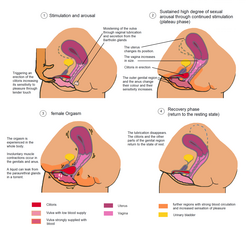
The internet constantly introduces new names, brands, and trending keywords that quickly capture public attention. One such term is Orgasamtrix, a name that has appeared across search engines, social media platforms, and various online communities. Because it is relatively new and not associated with a widely recognized organization or product, many people are searching for accurate information about what Orgasamtrix is, why it is trending, and whether it is safe to engage with.
If you’ve searched for Orgasamtrix, you may have encountered inconsistent information, unfamiliar websites, or discussions with little verified context. This article provides a comprehensive overview of the term, its online presence, common reasons people search for it, potential risks, and best practices for staying safe while exploring unfamiliar websites or digital brands.
What Is Orgasamtrix?
Orgasamtrix is a keyword that has appeared on various websites and online discussions, but there is currently no widely recognized or officially established company, product, or service with this name that has broad public recognition.
Because of this lack of verified information, the term is often encountered in one of several contexts:
- A newly created website or online brand
- A username or digital identity
- A marketing keyword designed to attract search traffic
- A domain name associated with entertainment or adult-oriented content
- A topic discussed in online forums or social media
The exact purpose of Orgasamtrix depends on where the term appears. Users should always verify the legitimacy of any website or service before interacting with it.
Why Is Orgasamtrix Gaining Online Attention?
Several factors contribute to increasing searches for uncommon keywords like Orgasamtrix.
Curiosity
Many users discover unfamiliar terms through social media, online advertisements, or recommendations and search to understand what they mean.
Search Engine Visibility
Unique keywords often attract attention because there is limited competition, allowing websites using the term to appear prominently in search results.
Digital Marketing
Some websites intentionally create distinctive names to improve brand recognition and memorability.
Community Discussions
Online forums, blogs, and social media conversations can quickly increase interest in unusual terms, even when little verified information exists.
As a result, Orgasamtrix has become a search term driven more by online curiosity than by established public awareness.
Common Types of Websites Associated with Orgasamtrix
Depending on where you encounter the keyword, Orgasamtrix may appear in different online environments.
Entertainment Websites
Some websites use unique branding to attract visitors interested in digital media, streaming, or online communities.
Adult-Oriented Platforms
In some cases, the name may appear alongside adult-themed content. If so, users should exercise caution, ensure they meet local legal age requirements, and be mindful of privacy and security when visiting such sites.
Promotional Landing Pages
Unique keywords are sometimes used for marketing campaigns or promotional websites designed to drive traffic.
User Profiles and Social Media
Orgasamtrix may also be used as a username or online alias across various platforms.
Because the keyword does not refer to one universally recognized entity, users should evaluate each website individually.
How to Evaluate the Safety of Unfamiliar Websites
Whenever you encounter a little-known website or online service, it is important to assess its credibility before interacting with it.
Check Website Security
Look for:
- HTTPS encryption
- A valid security certificate
- Professional website design
- Clear navigation
Review Contact Information
Legitimate websites typically provide:
- Contact pages
- Business addresses (where applicable)
- Customer support options
- Privacy policies
- Terms of service
Search for Independent Reviews
Before registering or making purchases, look for reviews from reputable technology publications or established review platforms rather than relying solely on testimonials hosted on the website itself.
Protect Personal Information
Avoid sharing sensitive information such as:
- Banking details
- Government-issued identification
- Passwords used on other accounts
- Personal financial information
Good cybersecurity habits reduce the risk of fraud and identity theft.
Privacy and Security Considerations
Whenever visiting lesser-known websites, maintaining digital privacy should be a priority.
Use Strong Passwords
Create unique passwords for every online account.
Enable Multi-Factor Authentication
Where available, activate two-factor authentication to improve account security.
Avoid Suspicious Downloads
Do not install software unless it comes from trusted and verified sources.
Monitor Permissions
Be cautious if websites request unnecessary permissions, such as access to your contacts, camera, microphone, or location without a clear reason.
Use Updated Security Software
Modern antivirus programs and browser security features help identify potentially harmful websites before problems occur.
Practicing these habits provides better protection regardless of the specific website being visited.
Why Unique Keywords Like Orgasamtrix Become Popular
The internet rewards memorable branding. Unique names often spread quickly because they are easy to recognize and less likely to be confused with existing brands.
Several factors explain this trend:
Search Engine Optimization (SEO)
Distinctive keywords often face less competition in search results.
Brand Identity
A unique name helps websites establish a recognizable digital presence.
Social Media Sharing
Unusual names generate curiosity and encourage users to click, discuss, and share content.
Algorithmic Visibility
Trending searches can increase exposure, leading even more users to investigate unfamiliar terms.
However, popularity alone does not indicate credibility. Users should always verify information through trusted sources.
Best Practices for Responsible Online Browsing
Whether researching Orgasamtrix or any other unfamiliar keyword, following good online safety practices is essential.
Verify Information
Compare information across multiple reliable sources before accepting claims as accurate.
Check Domain Reputation
Various internet security tools can help identify whether a website has been associated with phishing, malware, or other security concerns.
Read Privacy Policies
Understanding how a website collects and uses your data is an important part of protecting your privacy.
Avoid Clicking Unknown Advertisements
Unexpected pop-ups or misleading advertisements may redirect users to unsafe websites.
Keep Software Updated
Regular updates improve protection against newly discovered security vulnerabilities.
These simple habits significantly reduce risks while exploring unfamiliar websites.
Frequently Asked Questions About Orgasamtrix
What is Orgasamtrix?
Orgasamtrix is an online keyword that appears across various websites and discussions, but there is no broadly recognized or officially verified organization, product, or service associated with the name.
Is Orgasamtrix a company?
There is currently no widely established public information confirming Orgasamtrix as a major registered company or well-known brand.
Is it safe to visit websites using this name?
Safety depends on the specific website. Always verify its legitimacy, check for HTTPS encryption, review its privacy policy, and avoid sharing sensitive personal information unless you trust the site.
Why are people searching for Orgasamtrix?
Most searches appear to be driven by online curiosity, social media mentions, unique branding, or references encountered while browsing the internet.
Should I create an account on unfamiliar websites?
Only if the website appears trustworthy, has transparent policies, and you understand how your information will be used.
How can I protect myself online?
Use strong passwords, enable multi-factor authentication, keep your devices updated, avoid suspicious downloads, and verify websites before sharing personal data.
Conclusion
Orgasamtrix is an example of how unique internet keywords can attract significant attention despite having limited publicly verified information. While curiosity is natural, it is important to approach unfamiliar websites and brands with a critical mindset. Verify claims, protect your personal information, and rely on trusted sources whenever possible.
As the digital landscape continues to evolve, new names and platforms will emerge regularly. By following good cybersecurity practices and evaluating websites carefully, you can explore online content more confidently while minimizing privacy and security risks. Ultimately, informed browsing and cautious decision-making are the best tools for navigating the ever-changing internet safely.

Oakland County Jail 2026: Inmate Search, Visits & Phone

Orlando Sea Life 2026: Tickets, Hours, Exhibits & Tips

Posiciones de Mundial 2026: World Cup Standings, Rankings, and Final Results

Duff Badgley: The Private Life, Family Legacy, and Influence Behind the Badgley Name

Orgasamtrix: Understanding the Term, Online Presence, Safety Concerns, and What Users Should Know

Who Is Amy Sherrill? The Untold Story of Tim Duncan’s Former Wife
 Celebrity3 months ago
Duff Badgley: The Private Life, Family Legacy, and Influence Behind the Badgley Name
- Health3 months ago
Orgasamtrix: Understanding the Term, Online Presence, Safety Concerns, and What Users Should Know
- Celebrity4 months ago
Who Is Amy Sherrill? The Untold Story of Tim Duncan’s Former Wife
- Business3 months ago
Seekde: Complete Guide, Meaning, Features, Benefits, and Everything You Need to Know
- Celebrity4 months ago
Who Is Cole Maness? Everything About Erika Christensen’s husband
- Business3 months ago
Stay Always Updated with TXEPC: The Complete 2026 Guide to Real-Time Information, Digital Insights
- ThriftyEvents3 months ago
Get Blog ThriftyEvents.net: The Complete 2026 Guide to Budget Event Planning, DIY Party Ideas, and Smart Celebration Tips
- Business3 months ago
SparkTraffic vs ClickSEO.io: Complete 2026 Comparison of Features, SEO Performance, Traffic Quality, Pricing, and Best Use Cases